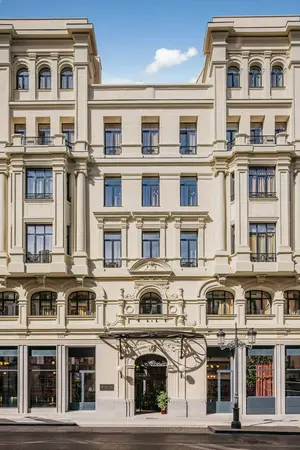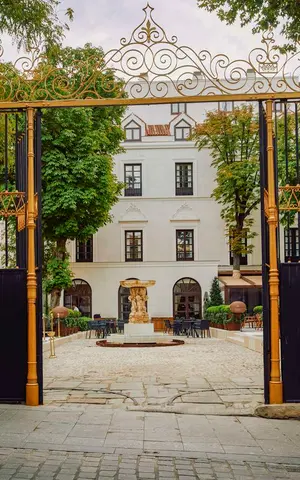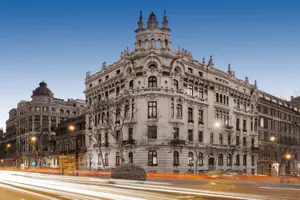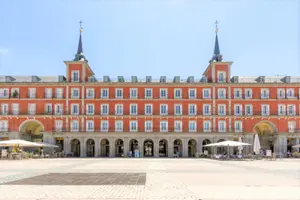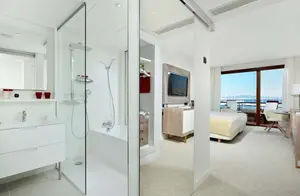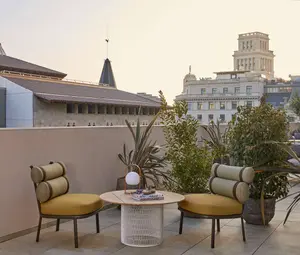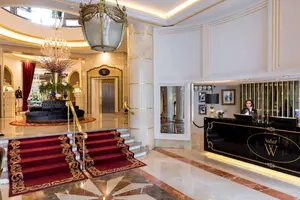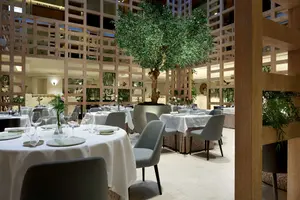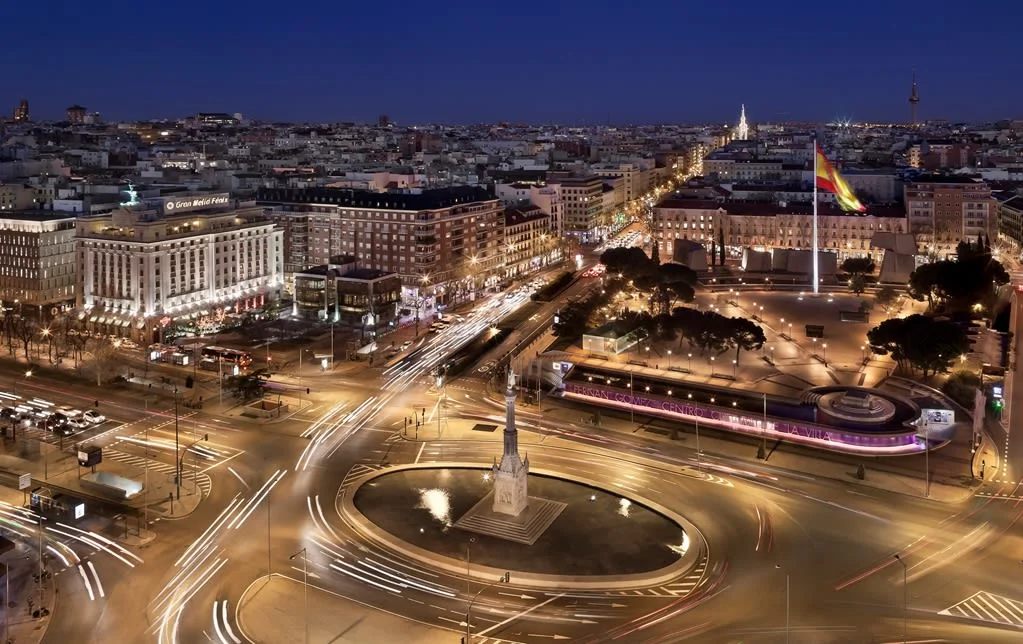
Hotel Fenix Gran Meliá - The Leading Hotels of the World
When you book Hotel Fenix Gran Meliá - The Leading Hotels of the World in Madrid, Spain, through our MeliaPro Bravos partnership, your stay includes daily breakfast for two and welcome amenities. You also receive early check-in or late check-out when available. No premium credit card or membership needed: request a quote and our advisor books it at the same rate as booking direct.
Exclusive Booking Perks
These perks are included with your stay at the same rate as booking direct with the hotel.
- Daily breakfast for two/ room
- $100 USD hotel credit (once per stay), subject to a 3-nights minimum length of stay
- Personalized welcome by Hotel Management and exclusive contact to enhance the experience
- VIP welcome amenities
- Guaranteed early check-in at 10 a.m. OR late check-out at 4 p.m. at the time of reservation
- 20% extra MeliaRewards points per Suite or Villa booking.
- Priority on waitlists in sold-out situations
- Priority for requested room category, bed type, rollaway beds, and connecting rooms
Guest feedback
9.2/10 from 559 guest reviews
By category
Guests liked
- Excellent location
- Friendly and professional staff
- Beautiful hotel
Points to consider
- Small room size
- High price for amenities
- Cleanliness issues
Location
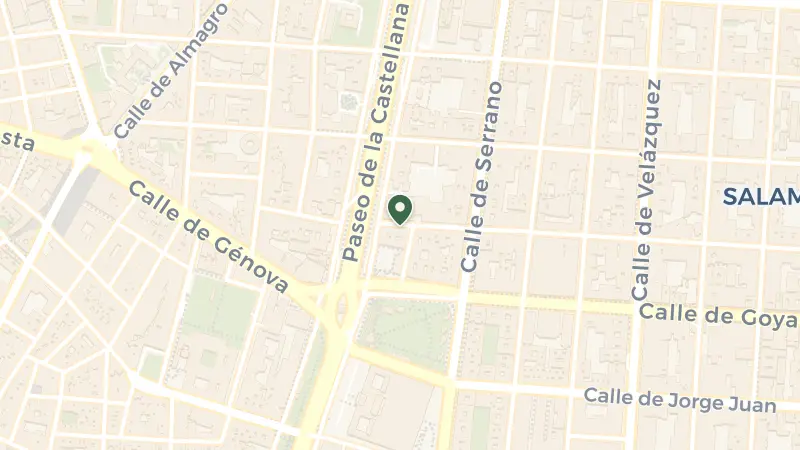
Gran Meliá brings its signature balance of Spanish heritage and contemporary sophistication to this address in Salamanca, the neighbourhood that defines Madrid's polished, prosperous side. Here, the wide avenues lined with plane trees feel more Paris than Iberia, and the streets hum with a quieter confidence than the historic centre's theatre. Calle de Serrano stretches northward with flagship boutiques, while Calle de Goya runs east-west, thick with tailored shops and sidewalk cafés where locals linger over cortados. The area wears its wealth lightly, favouring old-money discretion over flash.
Retiro Park spreads just south, its 125 hectares of formal gardens, rowboat ponds, and shaded gravel paths offering a green counterpoint to the neighbourhood's marble facades. Paseo del Prado, a UNESCO-inscribed cultural landscape, lies less than a kilometre west, anchoring the Golden Triangle of Art: the Prado, the Reina Sofía, and the Thyssen-Bornemisza. This stretch of boulevard, first conceived in the 16th century as a tree-lined alameda, evolved into the heart of Madrid's Enlightenment ambitions, a place where science, art, and urban design converged.
The city itself grew from a 9th-century walled outpost under Moorish rule, conquered by Christians in the 11th century and declared the permanent royal seat in 1561. That decision transformed a modest Castilian town into the political and cultural engine of the Spanish Empire. Adolfo Suárez Madrid-Barajas Airport lies 12 kilometres northeast, connected by metro and taxi.
Two Michelin two-star restaurants operate within walking distance. Coque, just four hundred and seventy-two metres away, showcases the Sandoval brothers' meticulous approach to Spanish hospitality: Mario commands the kitchen, Diego orchestrates the dining room, and Rafael curates the cellar. Ramón Freixa Atelier, five hundred metres south in the heart of Salamanca, offers the Catalan chef's haute cuisine filtered through Madrid's sensibility. Book a table at DiverXO, three and a half kilometres north, where Dabiz Muñoz's three-starred creative cooking turns Galician lobster and Jerez-drunk crabs into theatre.
The Museo del Prado demands at least a morning; start with Velázquez's Las Meninas, then trace Goya's progression from court portraitist to the Black Paintings. The Thyssen-Bornemisza Museum, established in 1992, fills gaps in the city's collection with Northern Renaissance and Impressionist works. El Retiro Park, part of the Paseo del Prado's UNESCO designation, spreads east with rowboat landings and neoclassical follies. Mercado de la Paz serves as the neighbourhood's pulse: arrive before noon for percebes and jamón sliced to order.
Summer in Madrid is uncompromising: July and August see highs above 32°C, the streets emptying during siesta hours as the sun bleaches the stone facades. The city exhales in late afternoon, when terrace tables fill and the heat softens to something tolerable. Spring and autumn offer the most forgiving weather, with April and May bringing mild days and green parks, while September and October trade the crush of peak season for warm, golden light and cooler evenings.
Winter turns sharp and dry, with January mornings dipping just above freezing and the occasional dusting of snow catching locals off guard. The cold has a clarifying effect, stripping the city to its architectural bones and thinning the crowds at the Prado. Rain falls most reliably in spring and late autumn, but rarely lingers.
Late spring and early autumn remain the ideal windows: temperatures in the low twenties, the museums less crowded, and the city moving at a pace that allows for long lunches and unhurried walks through Retiro's tree-lined paths.
Frequently Asked Questions

Quotes are personally reviewed by Natasha Hardy, founder of The Uncommon Traveller
5.0 rating · 8 Google reviewsThere is no fee or markup. The hotel pays our commission.
Request a Quote 18 Bib Gourmand