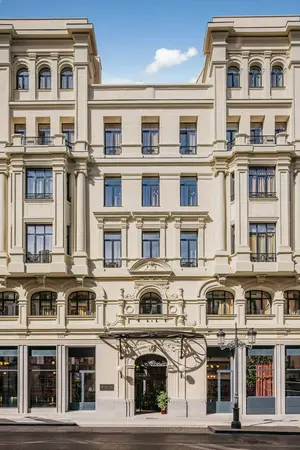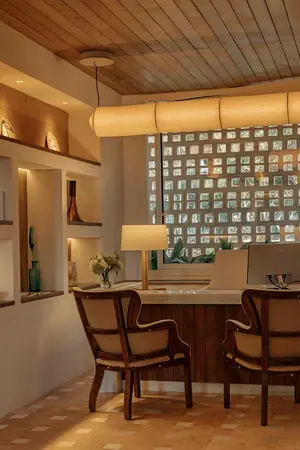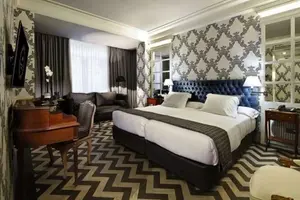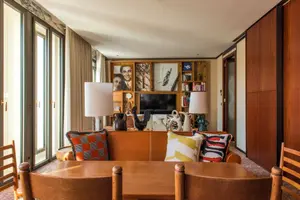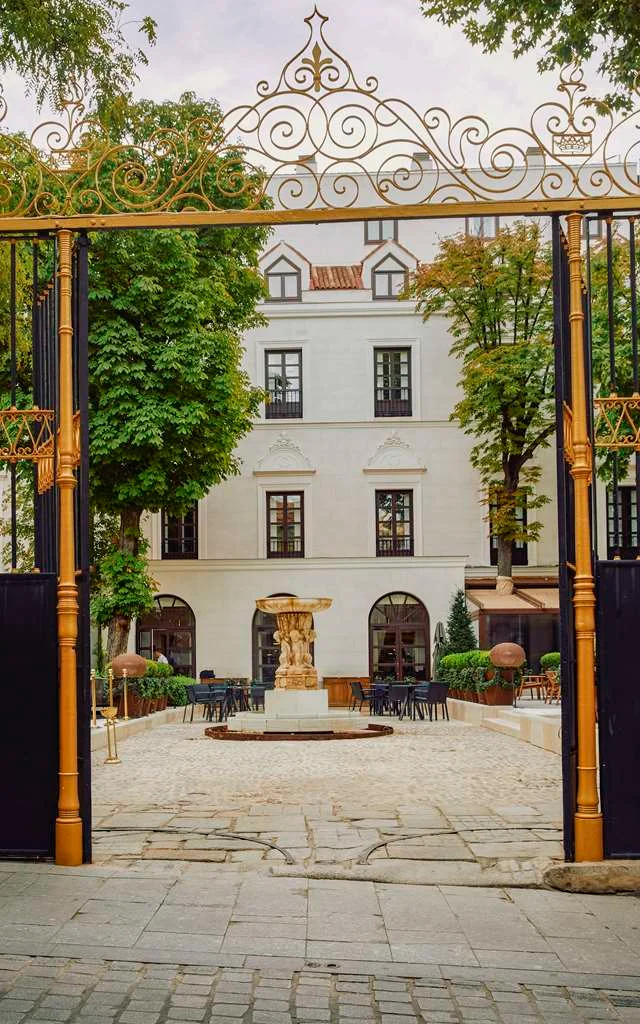
Palacio de los Duques Gran Meliá - The Leading Hotels of the World
When you book Palacio de los Duques Gran Meliá - The Leading Hotels of the World in Madrid, Spain, through our MeliaPro Bravos partnership, your stay includes daily breakfast for two and welcome amenities. You also receive early check-in or late check-out when available. No premium credit card or membership needed: request a quote and our advisor books it at the same rate as booking direct.
Exclusive Booking Perks
These perks are included with your stay at the same rate as booking direct with the hotel.
- Daily breakfast for two/ room
- $100 USD hotel credit (once per stay), subject to a 3-nights minimum length of stay
- Personalized welcome by Hotel Management and exclusive contact to enhance the experience
- VIP welcome amenities
- Guaranteed early check-in at 10 a.m. OR late check-out at 4 p.m. at the time of reservation
- 20% extra MeliaRewards points per Suite or Villa booking.
- Priority on waitlists in sold-out situations
- Priority for requested room category, bed type, rollaway beds, and connecting rooms
Guest feedback
9.2/10 from 1,926 guest reviews
Read what guests commentedBy category
Guests liked
- Great location
- Friendly staff
- Delicious breakfast
Points to consider
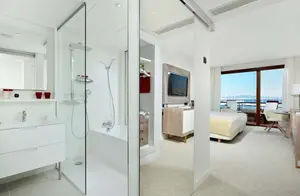
- Small room size
- Cleanliness issues
Location
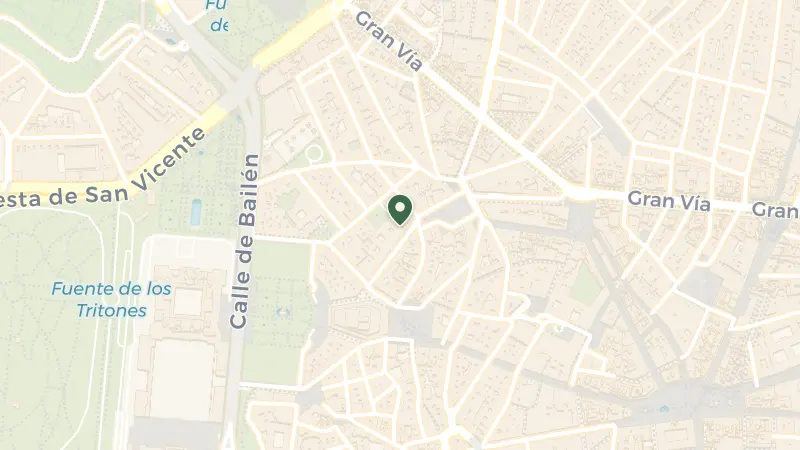
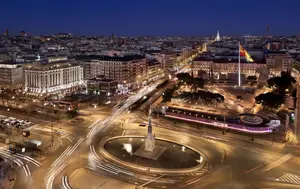
Gran Meliá is a luxury Spanish hotel brand that celebrates the cultural richness and artistic heritage of its destinations, placing properties in landmark buildings and cities of distinction. This approach finds full expression in Madrid, where the past presses close against the present in ways both obvious and subtle. The capital sits on a high plateau at the heart of the Iberian Peninsula, its dry, bright air sharpening the outlines of neoclassical façades and wide boulevards. The Palacio neighbourhood holds much of the city's ceremonial gravity: palaces and government buildings, the Teatro Real opera house, and the formal geometry of the Plaza de Oriente. The primitive core of this city began as a ninth-century military outpost under the Emirate of Córdoba, conquered by Christians in the eleventh century and later chosen as the permanent seat of the Hispanic Monarchy in 1561, an administrative choice that shaped Spain's centralized identity for centuries to come.
The streets around Palacio retain a courtly decorum, even as modern Madrid hums a few blocks away. Walk south and you reach the Manzanares riverbank and Casa de Campo parkland; walk east and the commercial energy of Gran Vía rises to meet you. The Paseo del Prado, a UNESCO-listed cultural landscape of tree-lined promenades and museums, lies two kilometres southeast.
Adolfo Suárez Madrid-Barajas Airport is fourteen kilometres northeast, connected to the city centre by metro, express bus, and taxi in under thirty minutes.
The two-Michelin-starred Paco Roncero occupies an avant-garde space less than a kilometre from the hotel, where the chef's restless creative energy takes form in a tasting menu that challenges convention without losing sight of pleasure. For three stars, DiverXO sits nearly five kilometres north: Dabiz Muñoz's irreverent, hedonistic cooking stages dishes like Galician lobster waking up on the beaches of Goa and drunken crabs partying in Jerez, each plate a deliberate provocation to fine-dining orthodoxy. Closer in, DSTAgE brings Diego Guerrero's boundary-breaking creativity to an industrial loft in Salesas, just over a kilometre away. Book a table at any of these well in advance; Madrid's starred dining rooms fill quickly.
The covered Mercado de San Miguel, half a kilometre from the hotel, operates as both market and tapas destination, its iron-and-glass structure packed with counters selling oysters, croquetas, and vermouth on tap. For cultural weight, the Paseo del Prado's museum corridor includes the Prado, Reina Sofía, and Thyssen-Bornemisza collections within two kilometres. Start with Velázquez at the Prado, then trace the evolution of Spanish painting forward through centuries of light and shadow. The Buen Retiro park, part of the same UNESCO landscape, offers formal gardens and a vast boating lake where Madrileños row on Sunday afternoons.
Summer in Madrid is uncompromising: July and August push past thirty degrees, the city emptying as those who can afford to leave head for the coast. The light turns hard and white, café awnings provide the only shade, and the rhythm of the day shifts to accommodate afternoon heat.
Spring and autumn offer the most comfortable conditions, with April and May bringing mild temperatures in the mid-teens to low twenties, while September and October cool gradually after the August peak. October sees more rain than most months, but showers tend to be brief and followed by clear, cool evenings ideal for walking.
Winter is dry and cold, with January nights often dropping below freezing and daytime highs barely reaching ten degrees. The air stays crisp, the sky a pale blue, and the city takes on a different character: quieter, less performative, more itself.
Frequently Asked Questions

Quotes are personally reviewed by Natasha Hardy, founder of The Uncommon Traveller
5.0 rating · 8 Google reviewsThere is no fee or markup. The hotel pays our commission.
Request a Quote 18 Bib Gourmand