Santo Mauro, a Luxury Collection Hotel, Madrid
When you book Santo Mauro, a Luxury Collection Hotel, Madrid in Spain, through our Marriott STARS partnership, your stay includes daily breakfast for two and a $100 USD hotel credit once per stay. You also receive a room upgrade when available. You continue earning Marriott Bonvoy points and elite night credits. No premium credit card or membership needed: request a quote and our advisor books it at the same rate as booking direct.
Special Offer
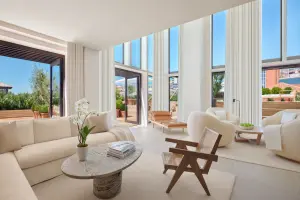
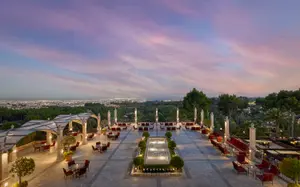
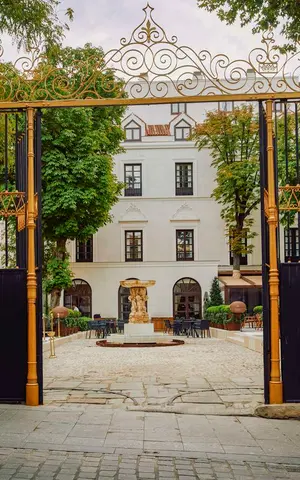
Book a Presidential suite for a 2-night stay and enjoy the Presidential Suite Signature Experience. The Presidential Suite Signature Experience includes: + 2-night accommodation in one of the Presidential Suites + Round-trip private transfer to the Madrid airport for your arrival and departure. + Butler service + Exclusive Dinner Experience for two in the Secret Garden, the most hidden gem of the iconic palace terrace
Exclusive Booking Perks
These perks are included with your stay at the same rate as booking direct with the hotel.
- Personalized and customized amenity
- Complimentary breakfast daily for two guests per room
- All STARS hotels offer a hotel credit valued at $100 USD (once per stay)
- Early check-in and late check-out (when available)
- Complimentary upgrade (if available at check-in)
Guest feedback
9.6/10 from 187 guest reviews
By category
Guests liked
- Excellent hospitality
- Clean and comfortable rooms
Points to consider
- Slow breakfast service
- Perceived high prices
Location
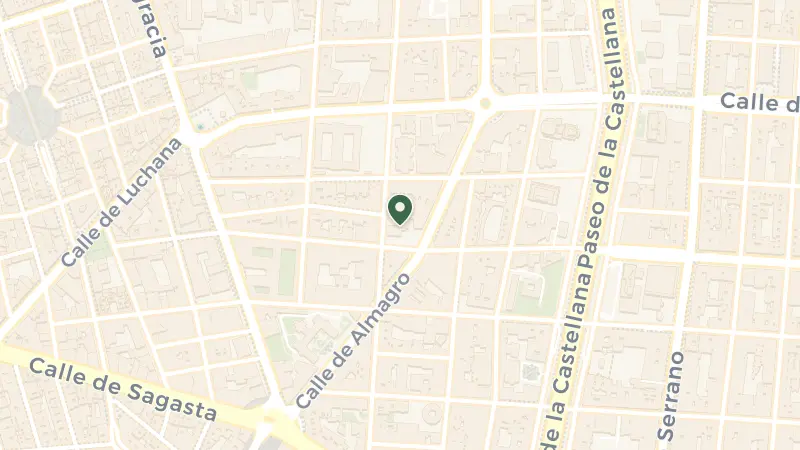
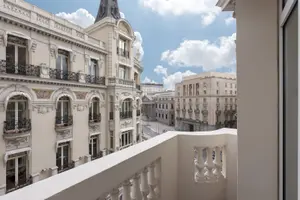
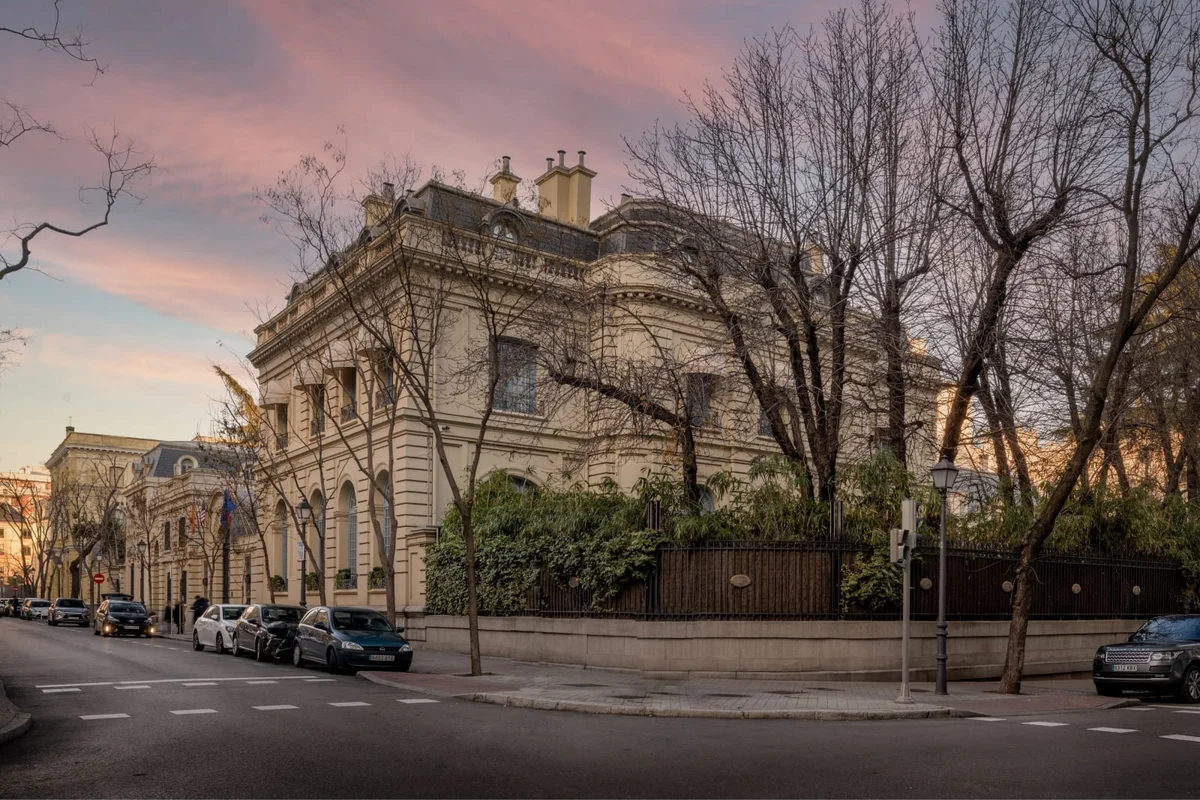
The Luxury Collection draws from CIGA's century-old tradition of gathering independent properties where place and personality override formula. Santo Mauro occupies that sensibility in the Chamberí district, where the 19th-century Ensanche plan laid out wide boulevards that still carry the rhythm of residential Madrid. Almagro, the immediate barrio, feels properly lived-in: corner tabernas with zinc bars, neighbourhood markets where vendors call out prices in rapid-fire Castilian, elderly women pulling wheeled carts over uneven pavements.
The air smells of roasting coffee and, come evening, garlic hitting hot olive oil in a hundred kitchens. This is the Madrid that predates the tourist crowds of Sol, a place where locals still outnumber visitors on the street. Two kilometres south, the tree-lined Paseo del Prado, inscribed as a UNESCO cultural landscape in 2021, unfolds its museums and fountains.
The River Manzanares cuts through the western edge of the city, though Chamberí sits comfortably inland, elevated at 660 metres above sea level. Adolfo Suárez Madrid–Barajas Airport lies 12 kilometres northeast, connected by metro and taxi.
Coque, two Michelin stars and 200 metres from the property, belongs to the Sandoval brothers: Mario in the kitchen, Diego orchestrating the dining room, Rafael guiding the wine. Their creative cooking balances technical precision with a certain Madrid warmth, the kind of hospitality that feels earned rather than performed. Book a table well ahead. DSTAgE, holding two stars and less than a kilometre south in the Salesas district, occupies an industrial loft where chef Diego Guerrero pushes past comfort zones with dishes that surprise without alienating. For three stars, make the short journey to DiverXO, 3.1 kilometres northeast, where David Muñoz sends out Galician lobster on imagined Goan beaches and drunk crabs soaked in Jerez sherry.
The Thyssen-Bornemisza Museum, established in 1992, holds a private collection spanning medieval altarpieces to American pop art, while the Reina Sofía centres on Picasso's Guernica in rooms that trace Spain's convulsive 20th century. The Mercado de San Antón, 1.1 kilometres southeast, offers a modern market layout: fresh fish and jamón ibérico on the ground floor, a rooftop terrace for vermouth and tapas above. Two kilometres south, the Paseo del Prado and Buen Retiro landscape earned UNESCO inscription in 2021 for its 16th-century alameda design and the museums that line its edges.
Winter brings sharp, dry cold, with January mornings dipping near freezing and thin mountain light that flattens the cityscape into sepia tones. Café windows fog with breath. By March, the city shakes off its chill, though spring rains arrive unpredictably through May. June pivots to heat: pavements shimmer, awnings drop over terraces, and the rhythm slows as temperatures climb past 27 degrees.
July and August turn furnace-hot, the city emptying as Madrileños flee for the coast and those who remain move only after dark. September is the revelation: heat relents, light softens to gold, and the city refills with purpose.
October and November cool steadily, rain returning, streets slick with fallen leaves. The shoulder seasons, May and October, offer the most comfortable conditions for extended walking and museum days.
Frequently Asked Questions

Quotes are personally reviewed by Natasha Hardy, founder of The Uncommon Traveller
5.0 rating · 8 Google reviewsThere is no fee or markup. The hotel pays our commission.
Request a Quote 18 Bib Gourmand