Castillo Hotel Son Vida, a Luxury Collection Hotel, Mallorca
When you book Castillo Hotel Son Vida, a Luxury Collection Hotel, Mallorca in Spain, through our Marriott STARS partnership, your stay includes daily breakfast for two and a $100 USD hotel credit once per stay. You also receive a room upgrade when available. You continue earning Marriott Bonvoy points and elite night credits. No premium credit card or membership needed: request a quote and our advisor books it at the same rate as booking direct.
Exclusive Booking Perks
These perks are included with your stay at the same rate as booking direct with the hotel.
- Personalized and customized amenity
- Complimentary breakfast daily for two guests per room
- All STARS hotels offer a hotel credit valued at $100 USD (once per stay)
- Early check-in and late check-out (when available)
- Complimentary upgrade (if available at check-in)
Guest feedback
9.2/10 from 420 guest reviews
By category
Guests liked
- Stunning Location
- Friendly Staff
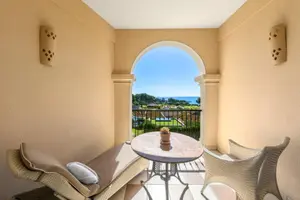
- Beautiful Views
Points to consider
- Outdated Facilities
- Inconsistent Food Quality
Location
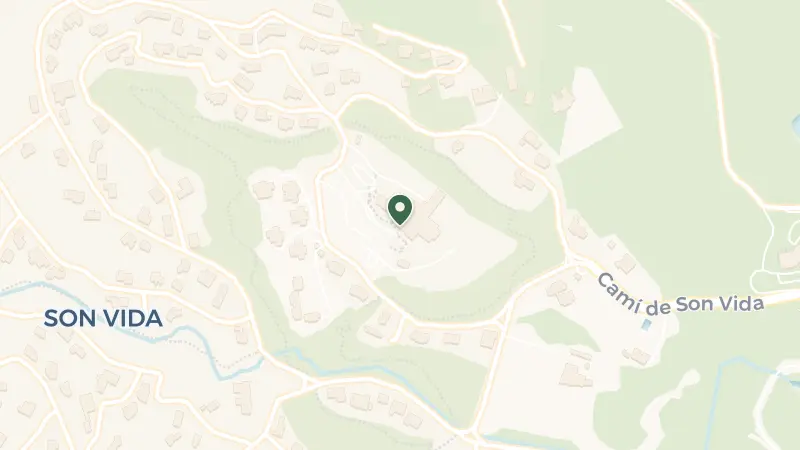
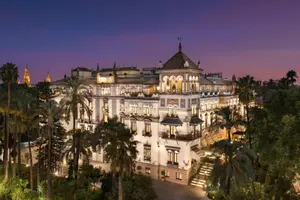
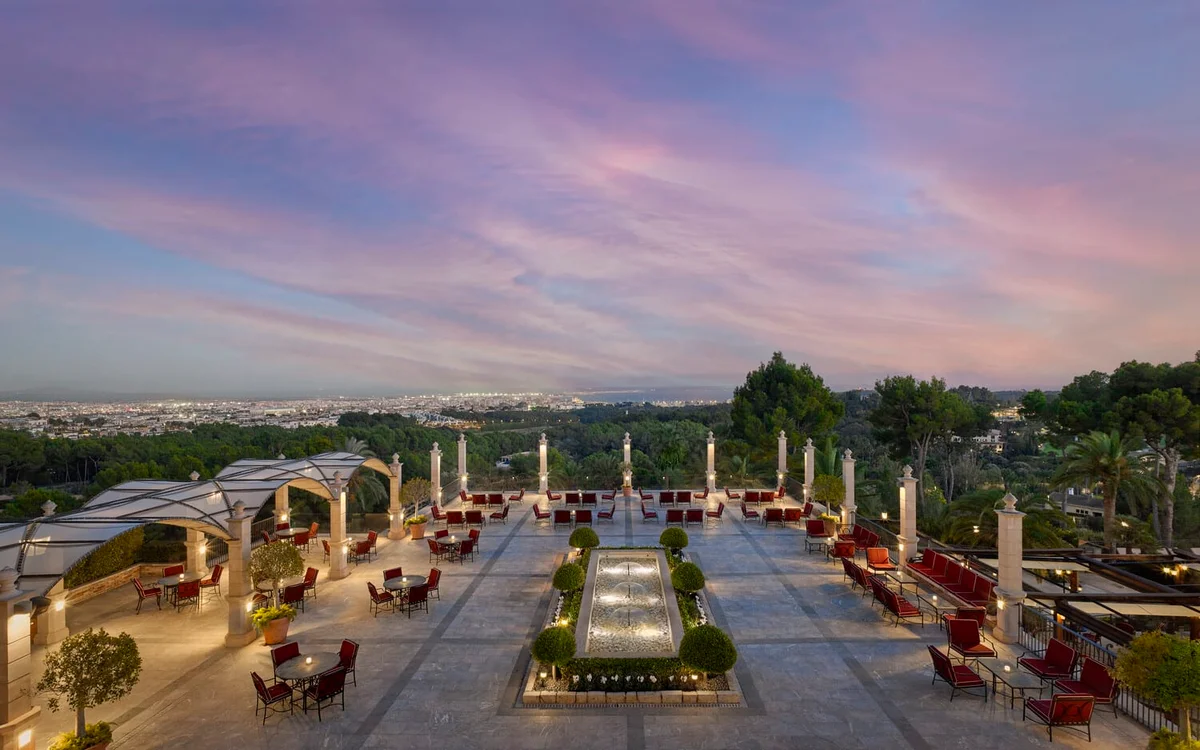
The Luxury Collection brings together independent properties valued for their singular character, and this Mallorcan estate honors that ethos with a legacy reaching back centuries. The building itself stands in Son Vida, a hillside enclave above Palma where stone pines frame views across the city's terracotta rooftops to the Mediterranean beyond. The neighbourhood hums quietly with wealth rather than tourism, a retreat from the coastal throngs that descend on the Balearics each summer.
Palma de Mallorca, the island's capital since Roman times, sprawls below in a mix of Gothic spires, Belle Époque boulevards, and narrow Moorish lanes that still bear Arabic street names. The cathedral, La Seu, dominates the waterfront with its flying buttresses catching the afternoon light. Markets overflow with sobrassada, local almonds, and salt from the island's evaporated pans. This is an island shaped by successive waves of occupation: Phoenician traders, Islamic scholars, Aragonese conquerors, and now visitors from across northern Europe who have made Palma de Mallorca Airport the seventh busiest in Spain.
The property sits thirteen kilometres from the airport, a twenty-minute drive through citrus groves and limestone hills. Palma's old quarter, with its concentration of Michelin-starred dining and medieval architecture, lies six kilometres south.
Golf de Son Muntaner unfolds just over a kilometre away, a championship course where fairways follow the island's natural contours. Palma's dining scene rewards ambition: Marc Fosh holds a Michelin star within the 17th-century Convent de La Missió, five kilometres south in the historic quarter, where modern technique meets regional ingredients. DINS Santi Taura, half a kilometre farther, occupies the ground floor of El Llorenç Parc de la Mar and revives traditional Mallorcan recipes with quiet precision. Book a table at Zaranda, where Fernando Pérez Arellano's creative menu unfolds within the Es Princep hotel's old-quarter walls, six kilometres from the property. The chef's approach is devotional, each course a meditation on the island's terroir.
Mercat de Santa Catalina, four kilometres west, fills morning hours with fishmongers shouting prices and stalls piled with ramallet tomatoes and Mahón cheese. The Cultural Landscape of the Serra de Tramuntana, eighteen kilometres north, earned UNESCO recognition for its dry-stone terraces and centuries-old irrigation channels carved into sheer limestone. Platja de Calanova, under five kilometres away, offers calm water and a sand beach favored by Palma residents who skip the resort zones farther west.
Summer stretches from June through September, when temperatures climb past 28°C and rainfall nearly vanishes. The light turns sharp and white, bleaching stone walls and casting hard shadows across Palma's plazas. August sees the island at its busiest, with marina berths full and beach clubs operating at capacity.
Spring and autumn bring softer air, highs in the low twenties, and the occasional rainstorm that scrubs the city clean. Almond blossoms cover the interior valleys in late February, a brief floral interlude before the heat arrives. May and October strike the best balance: warm enough for swimming, cool enough for hiking the Serra de Tramuntana without wilting.
Winter remains mild by European standards, daytime temperatures hovering around 15°C, though evenings require a jacket. December and January see the most rain, but the island never truly goes dormant. Markets stay open, restaurants fill with locals reclaiming their city, and the Mediterranean keeps its deep blue even under winter clouds.
Frequently Asked Questions

Quotes are personally reviewed by Natasha Hardy, founder of The Uncommon Traveller
5.0 rating · 8 Google reviewsThere is no fee or markup. The hotel pays our commission.
Request a Quote 2 Bib Gourmand