Villa Le Blanc, a Gran Meliá Hotel - The Leading Hotels of the World
When you book Villa Le Blanc, a Gran Meliá Hotel - The Leading Hotels of the World in Menorca, Spain, through our MeliaPro Bravos partnership, your stay includes daily breakfast for two and welcome amenities. You also receive early check-in or late check-out when available. No premium credit card or membership needed: request a quote and our advisor books it at the same rate as booking direct.
Exclusive Booking Perks
These perks are included with your stay at the same rate as booking direct with the hotel.
- Daily breakfast for two/ room
- $100 USD hotel credit (once per stay), subject to a 3-nights minimum length of stay
- VIP welcome amenities
- Guaranteed early check-in at 10 a.m. OR late check-out at 4 p.m. at the time of reservation
- 20% extra MeliaRewards points per Suite or Villa booking.
- Priority on waitlists in sold-out situations
- Priority for requested room category, bed type, rollaway beds, and connecting rooms
Location
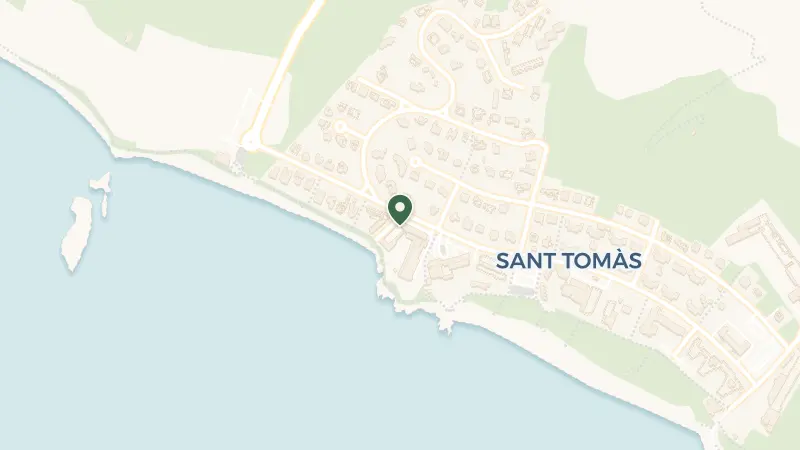
Gran Meliá's approach blends Spanish heritage with contemporary elegance, and this property extends that philosophy to Menorca's quieter southern coast. Sant Tomàs unfolds along a pine-fringed shoreline where small coves notch into cliffs, many reachable only on foot or by boat, ensuring a measure of seclusion rare on Mediterranean islands. The main village of Es Migjorn Gran sits inland among low, pine-covered hills, a landscape of whitewashed houses and stone walls that speaks to centuries of agro-pastoral life rather than resort development.
This is Menorca's newest municipality, the island's second smallest, and the atmosphere reflects that scale. The pace is unhurried, the beaches uncrowded even in summer. Along the coast, calas open onto pale sand backed by stone and greenery, the scent of pine resin warm in the afternoon sun.
Menorca Airport lies 17 kilometres northeast, a short transfer that delivers you to a different rhythm entirely. The island's UNESCO-inscribed Talayotic sites, 14 kilometres away, trace human presence back millennia, their stone towers and settlements rising from fields still grazed by livestock. Ciutadella, Ferreries, Es Mercadal, and Alaior border this southern stretch, but Sant Tomàs remains deliberately apart.
Within a kilometre, Platja de Binigaus offers near-total seclusion, its sands accessible by trail through scrubland. Platja es Trenc and Platja d'Atalis follow the same pattern: small, beautiful, often empty. Son Bou, two kilometres east, is the island's longest beach, its Roman basilica ruins a reminder of deeper history. The coast rewards exploration on foot or by kayak; Cala Fustam, three kilometres distant, hides beneath cliffs that glow amber in late afternoon light.
Book a table at one of the 11 Michelin-recognized restaurants within 50 kilometres, though none currently hold stars. The island's cuisine leans on local cheese, sobrasada, caldereta de llagosta (spiny lobster stew), and gin distilled from centuries-old Menorcan recipes. Bodegas Menorquinas, 10 kilometres inland, and Binifadet, further west, produce wines shaped by limestone soils and sea winds. Torre d'en Galmés, seven kilometres away, is the island's largest Talayotic settlement, its Bronze Age structures intact enough to walk among them and imagine the communities that built these stone monuments under the same unrelenting sun.
Summer burns bright and dry. July and August bring temperatures above 25°C, the coastline bathed in white light, the sea warm and still. This is high season, though Sant Tomàs never feels overrun.
Spring and early autumn offer gentler warmth, May through June and September ideal for walking the coastal trails or exploring Talayotic sites without the midday heat. October sees the first substantial rains return, the hills greening as temperatures settle into the high teens.
Winter is mild but unpredictable. December through February hover around 12°C, wet and windswept, the island returning to its agricultural self. For those seeking solitude and long coastal walks with only the sound of surf and wind, these months deliver.
Frequently Asked Questions

Quotes are personally reviewed by Natasha Hardy, founder of The Uncommon Traveller
5.0 rating · 8 Google reviewsThere is no fee or markup. The hotel pays our commission.
Request a Quote