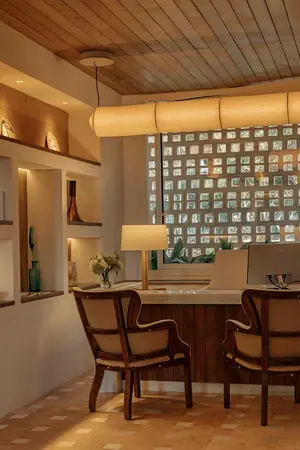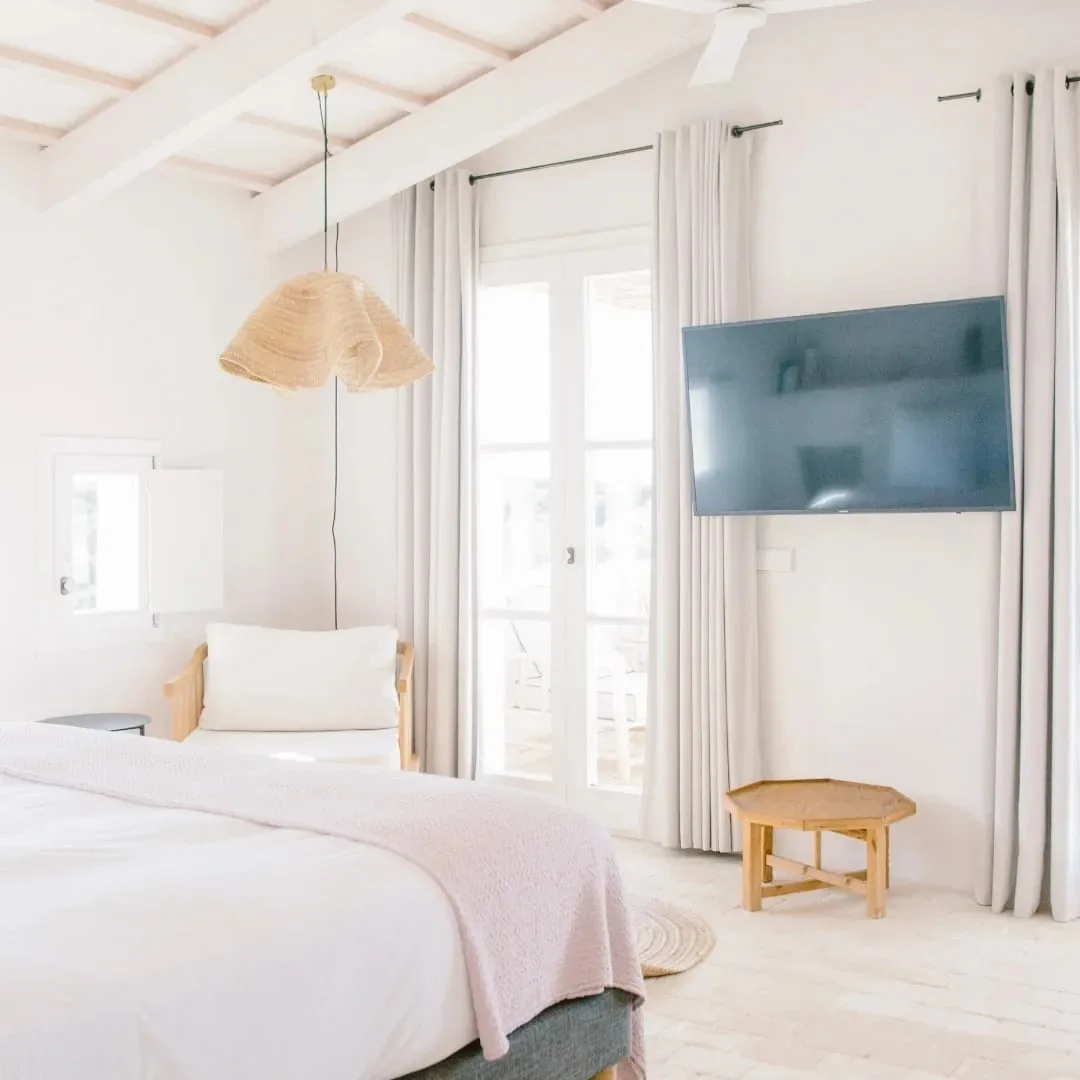
Torre Vella – Fontenille Collection
When you book Torre Vella – Fontenille Collection in Menorca, Spain, through our Fora Reserve partnership, your stay includes breakfast for two, a $100 hotel credit per stay and a welcome gift. You also receive a room upgrade, early check-in and late check-out when available. No premium credit card or membership needed: request a quote and our advisor books it at the same rate as booking direct.
Exclusive Booking Perks
These perks are included with your stay at the same rate as booking direct with the hotel.
- Breakfast included for 2
- Room Upgrade, upon availability at time of check-in
- Early check-in / Late check-out upon availability
- $100 credit per stay
- One way transfer from the airport or train station for every stay of more than 5 nights in Suite
- Welcome gift : one bottle of Fontenille wine
Location
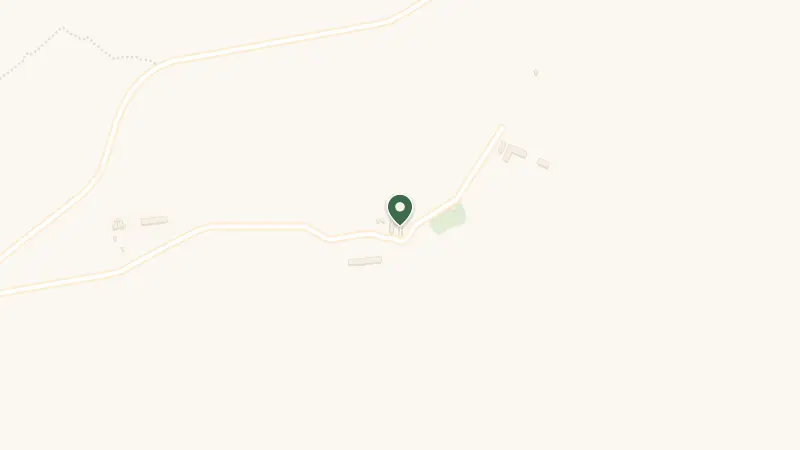
Alaior sits at the heart of Menorca's agro-pastoral interior, twelve kilometres from the port capital of Mahón, in a landscape shaped by centuries of cheesemaking and artisan shoemaking. The municipality sprawls across the island's eastern plateau, its whitewashed farmhouses and stone walls tracing boundaries set after the Catalan-Aragonese conquest. This is the quieter Menorca, away from the harbour towns, where the rhythm follows the seasons of Mahó-Menorca cheese production and the bleating of sheep in limestone-walled pastures.
The Torre d'en Galmés archaeological site lies just over a kilometre away, its Bronze Age talayots and cyclopean walls rising from scrubland thick with wild rosemary. These ruins form part of Talayotic Menorca, inscribed as a UNESCO World Heritage site in 2023, a testament to prehistoric communities who built some of the Mediterranean's most sophisticated megalithic structures. The coastal resorts of Cala en Porter and Son Bou fall within the municipality, their turquoise coves and dune-backed beaches a short drive from the inland town.
Menorca Airport sits ten kilometres west, a twenty-minute transfer through fields bisected by dry-stone walls. The island's compact scale rewards slow exploration: most points of interest lie within a half-hour drive, accessible via the serpentine roads that connect farm to cove to village square.
Begin at Torre d'en Galmés, the largest talayotic settlement in the Balearics, where you can walk through Bronze Age dwellings and climb the central talayot for views across the island's undulating interior. The site's water-collection systems and storage silos reveal the ingenuity of these early islanders, who thrived here from 1400 BCE until Roman arrival. Platja de Son Bou, three and a half kilometres south, unfolds as Menorca's longest beach, its pale sand backed by wetlands that host migratory birds in spring and autumn. The fine-gravel cove of Platja de Cala Llucalari, less than two kilometres away, offers quieter swimming beneath ochre cliffs.
Book a tasting at Bodegas Menorquinas, twelve kilometres northwest, where the island's chalky soils produce mineral whites and rosés from indigenous grape varieties. The markets of Mahón, thirteen kilometres east, reward morning visits: Es Claustre occupies a converted cloister, its stalls piled with Mahón cheese wheels and sobrasada, while Mercat des Peix sells the day's catch from the harbour. Don't miss the Parc Natural de s'Albufera des Grau, fourteen kilometres northeast, where lagoons and dunes shelter endemic lizards and the rare Balearic shearwater.
July and August bring the island's driest months, when temperatures climb past twenty-five degrees and the tramuntana wind carries the scent of wild fennel across sun-bleached fields. The sea warms to its most inviting, and the island's interior shimmers in afternoon heat.
May, June, and September offer gentler warmth and emptier beaches, with temperatures in the low twenties and wildflowers colouring the stone-walled pastures. The light turns golden at the edges of the day, perfect for hiking the coastal camí de cavalls.
October through April sees cooler temperatures and intermittent rainfall, the landscape greening after summer's dryness. Winter mornings can be crisp, the island quiet except for sheep bells and the Atlantic swell against limestone cliffs. Spring arrives early, almond blossoms appearing by February.
Frequently Asked Questions

Quotes are personally reviewed by Natasha Hardy, founder of The Uncommon Traveller
5.0 rating · 8 Google reviewsThere is no fee or markup. The hotel pays our commission.
Request a Quote