Santa Ponsa - Fontenille Collection
When you book Santa Ponsa - Fontenille Collection in Menorca, Spain, through our Fora Reserve partnership, your stay includes breakfast for two, a $100 hotel credit per stay and a welcome gift. You also receive a room upgrade, early check-in and late check-out when available. No premium credit card or membership needed: request a quote and our advisor books it at the same rate as booking direct.
Exclusive Booking Perks
These perks are included with your stay at the same rate as booking direct with the hotel.
- Breakfast included for 2
- Room Upgrade, upon availability at time of check-in
- Early check-in / Late check-out upon availability
- $100 credit per stay
- One way transfer from the airport or train station for every stay of more than 5 nights in Suite
- Welcome gift : one bottle of Fontenille wine
Guest feedback
9.1/10 from 65 guest reviews
By category
Guests liked
- Lovely breakfast
- Beautiful location
Points to consider
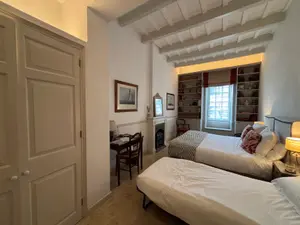
- Room size issues
- High restaurant prices
Location
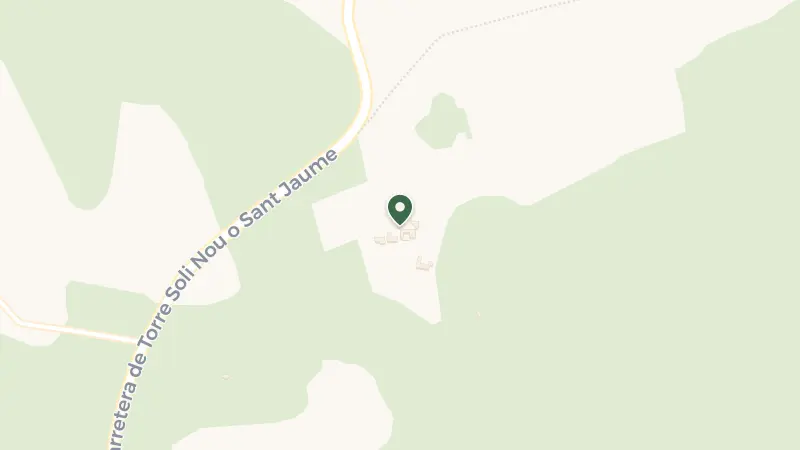
Menorca reveals itself slowly. Unlike its Balearic siblings, this island resists the obvious, favouring stone-walled pastures and whitewashed villages over glittering marina sprawl. Alaior, twelve kilometres inland from the capital Mahón, anchors the eastern half of the island with an authenticity that coastal resorts have long surrendered. The town's economy still pulses to the rhythms of cheesemaking and shoe manufacturing, trades that shaped its streets after the Catalan-Aragonese conquest. Walk through Sant Jaume and you'll find workshops tucked behind residential facades, family-run pastry shops selling ensaïmades, and a quietness that feels earned rather than manufactured.
The landscape here speaks in Bronze Age tongues. Torre d'en Galmés, three kilometres from the property, rises from the earth as one of Menorca's most complete talayotic settlements, its circular stone dwellings and communal gathering spaces preserved under centuries of wind. This prehistoric architecture earned UNESCO recognition in 2023 as part of Talayotic Menorca, a testament to the island's occupation by communities who shaped these stones long before any Mediterranean empire claimed the shores.
Menorca Airport sits just twelve kilometres away, a twenty-minute drive through agricultural plains where dry-stone walls divide fields in patterns unchanged for generations.
The southern coastline unfolds in a series of limestone-backed calas, each cove distinct in character. Platja de Cala Llucalari, five kilometres south, scatters fine gravel beneath ochre cliffs that glow amber in late afternoon light. Son Bou stretches longer, its three-kilometre arc of pale sand flanked by wetlands where herons stalk shallow waters. Binigaus, seven kilometres west, draws those willing to walk past the beachfront development to find a clothing-optional stretch backed by pines and silence.
Inland, the island's winemaking tradition finds expression at Bodegas Menorquinas, eight kilometres north, where indigenous grape varietals adapt to the maritime climate. Book a tasting to understand how tramuntana winds and limestone soils shape Menorcan whites. Binifadet, further northeast, pairs vineyard tours with farm-to-table lunches served under vine-shaded pergolas. The island's Michelin-starred dining lies primarily in Mahón and Ciutadella, but Alaior's local taverns serve caldereta de llagosta, the spiny lobster stew that defines Menorcan tables, without pretension or markup.
Summer arrives with conviction. July and August push past twenty-five degrees, the air dry and brilliant, the island's interior baked to gold. Coastal breezes temper the heat, making afternoon swims in crystalline coves a ritual rather than relief. Stone walls radiate warmth well past sunset.
Shoulder seasons belong to walkers and wine drinkers. May through June and September offer eighteen to twenty-four degrees, wildflowers carpeting pastures in spring, the light turning honeyed in autumn. Rain remains scarce, the landscape's palette shifting from green to amber as the year progresses.
Winter transforms the island into something introspective. Temperatures rarely dip below ten degrees, but tramuntana gales can lash the northern coast with surprising ferocity. October brings the year's heaviest rains, washing the stone villages clean and filling cisterns for the dry months ahead.
Frequently Asked Questions

Quotes are personally reviewed by Natasha Hardy, founder of The Uncommon Traveller
5.0 rating · 8 Google reviewsThere is no fee or markup. The hotel pays our commission.
Request a Quote