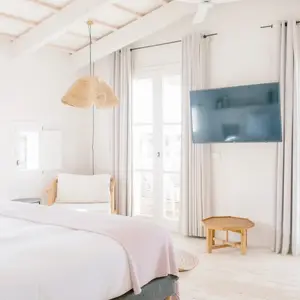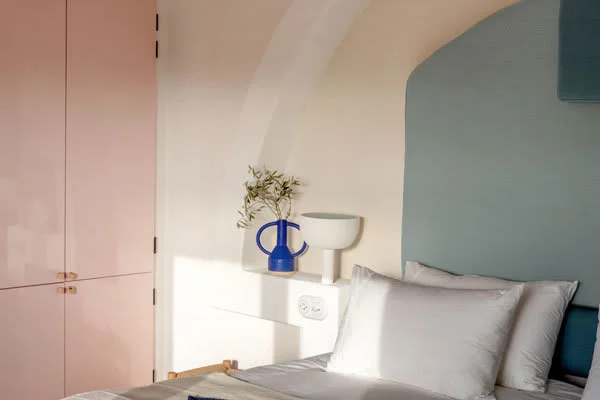
Hotel Menorca Experimental
When you book Hotel Menorca Experimental in Spain through our Tablet Plus partnership, your stay includes a 20 EUR food and beverage credit per day and a welcome gift. You also receive a one-category room upgrade when available. No premium credit card or membership needed: request a quote and our advisor books it at the same rate as booking direct.
Exclusive Booking Perks
These perks are included with your stay at the same rate as booking direct with the hotel.
- Upgrade to next room category, based upon availability at check-in
- Complimentary welcome drink per guest, per stay
- Complimentary welcome gift on arrival
- 20 EUR food and beverage credit per room, per day
Location
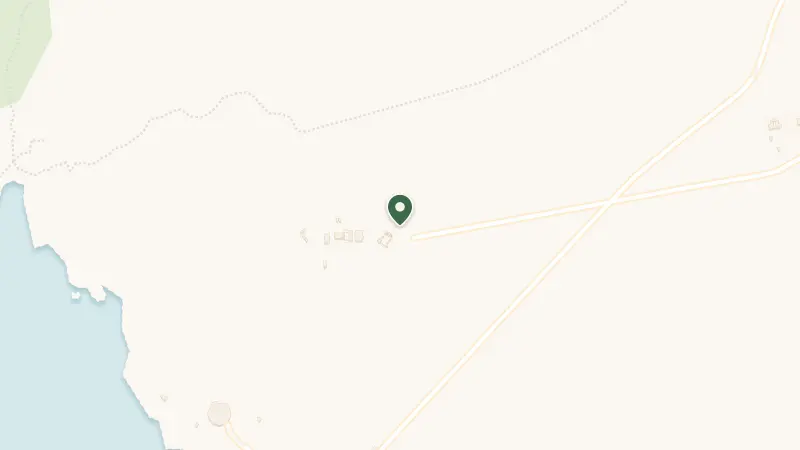
The Experimental Group brings its quietly confident spirit to Menorca, the most understated of the Balearic Islands. Where Ibiza pulses and Mallorca gleams, Menorca whispers, its low stone walls and whitewashed farmhouses spreading across wind-combed hills that slope toward hidden coves. The property sits near Alaior, a working town twelve kilometres from the island capital of Mahón, where cheesemaking and cobbling still anchor the local economy. This is an island that earned UNESCO recognition in 2023 for its Talayotic settlements, Bronze Age stone towers and ceremonial enclosures that dot the interior like geological punctuation marks.
The south coast opens onto a series of fine gravel and sand beaches reachable within minutes: Cala Llucalari lies just 700 metres away, Son Bou stretches long and dune-backed two and a half kilometres east. Inland, the landscape shifts between scrubby macchia and cultivated fields, the Tramuntana wind shaping everything that grows here.
Menorca Airport sits eleven kilometres north, a brief transfer that leaves the bustle of arrival behind almost immediately. The island measures roughly fifty kilometres end to end, small enough to cross in an hour but deceptive in its density of Neolithic sites, fishing villages, and gin distilleries that trace their recipes to the British occupation of the eighteenth century.
Start your days at the Torre d'en Galmés nature reserve, two and a half kilometres from the property, where the largest Talayotic settlement on the island spreads across a hilltop. Walk among the taulas, massive T-shaped megaliths whose purpose still puzzles archaeologists, and the talayots themselves, defensive towers built without mortar three millennia ago. The silence here is complete except for the buzz of cicadas and the distant bleat of sheep grazing the stone-walled fields below. Son Bou beach, equally close, offers three kilometres of pale sand backed by wetlands where herons stalk the shallows.
Book a table at one of the eleven restaurants within fifty kilometres that demonstrate why Menorcan cuisine deserves more attention than it receives: caldereta de llagosta, the island's spiny lobster stew, and mahonesa, the original mayonnaise that eighteenth-century French chefs borrowed and renamed. The Binifadet winery, fifteen kilometres northeast, grows native varietals on red clay soils and pairs tastings with island cheeses aged in natural caves. Mercat des Peix in Mahón, also fifteen kilometres away, spreads its fish stalls beneath vaulted stone arches built when the British ruled here, the morning catch still gleaming with seawater.
Summer arrives decisive and dry. July and August bring temperatures above twenty-five degrees, the Tramuntana wind keeping the heat bearable even at midday. The sea warms to bathing temperature by June and holds it through September, when the island empties and prices drop but the water remains inviting.
Autumn shifts quickly from warm to brisk. October sees the year's heaviest rainfall, sudden downpours that turn the dusty paths to red mud. By November the island belongs to locals again, restaurants in the coastal resorts closing until spring.
Winter feels mild by northern European standards but can surprise with damp chill. The wind cuts across the open landscape, temperatures hovering in the low teens. Spring builds slowly, wildflowers carpeting the stone walls by April, the light gaining strength but the sea still bracingly cold until May. Visit between May and June or in September for the best balance of warmth, manageable crowds, and island character intact.
Frequently Asked Questions

Quotes are personally reviewed by Natasha Hardy, founder of The Uncommon Traveller
5.0 rating · 8 Google reviewsThere is no fee or markup. The hotel pays our commission.
Request a Quote