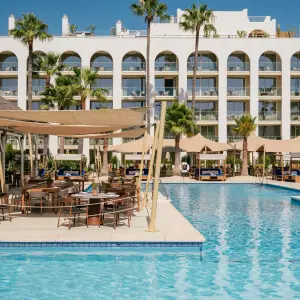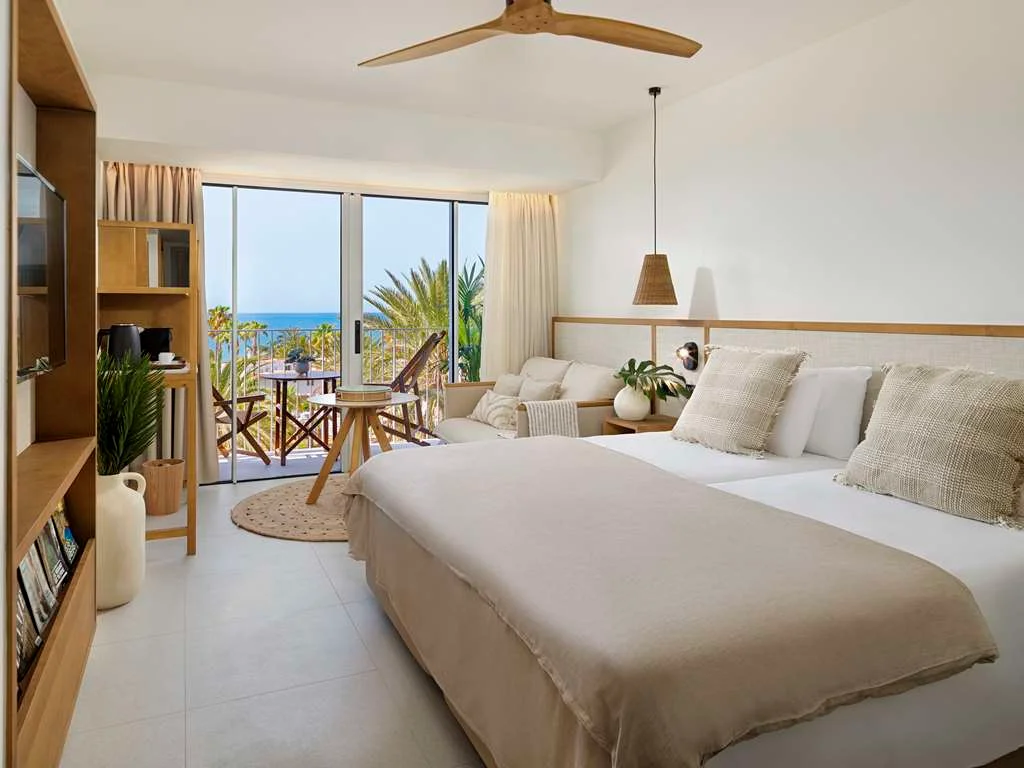
Paradisus by Meliá Gran Canaria – All Inclusive
When you book Paradisus by Meliá Gran Canaria – All Inclusive in Canary Islands, Spain, through our MeliaPro Bravos partnership, your stay includes daily breakfast for two and welcome amenities. You also receive early check-in or late check-out when available. No premium credit card or membership needed: request a quote and our advisor books it at the same rate as booking direct.
Exclusive Booking Perks
These perks are included with your stay at the same rate as booking direct with the hotel.
- Daily breakfast for two/ room
- $100 USD hotel credit (once per stay), subject to a 3-nights minimum length of stay
- VIP welcome amenities
- Guaranteed early check-in at 10 a.m. OR late check-out at 4 p.m. at the time of reservation
- 20% extra MeliaRewards points per Suite or Villa booking.
- Priority on waitlists in sold-out situations
- Priority for requested room category, bed type, rollaway beds, and connecting rooms
Location
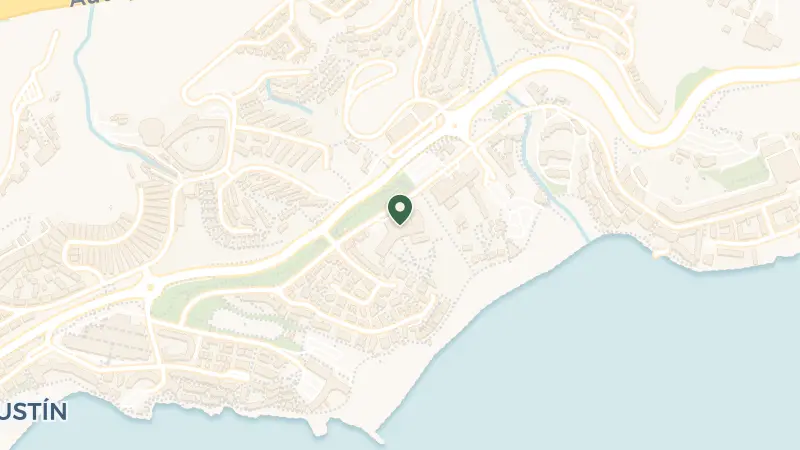
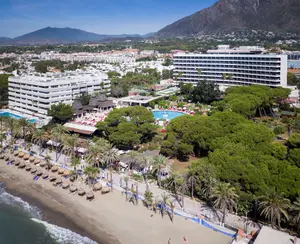
The Canary Islands rise from the Atlantic some one hundred kilometres off the African coast, a volcanic archipelago where Spain's southernmost landscapes meet perpetual spring. Gran Canaria, the third largest island, anchors this position with dramatic geography: inland peaks giving way to coastal plains, ravines cutting through millennia of lava flows, and a southern shore where the climate turns reliably warm and dry. The property sits in San Agustín, a quieter stretch of coast where the Atlantic meets golden sand, the rhythm slower than the resort towns nearby. Playa de San Agustín lies just two hundred metres away, a sweep of beach where the surf breaks steady and the light holds clear through most afternoons.
The island's character reveals itself in layers. North, the landscape turns green and wild; south, where this property stands, the sun dominates and the terrain softens toward desert. Maspalomas Dunes, a protected expanse of sand hills that shift with wind and tide, spreads less than five kilometres east. The volcanic interior holds archaeological sites that speak to the Guanche people who lived here before Spanish arrival: Risco Caido and the Caves of Valeron mark sacred spaces carved into rock, now protected as World Heritage landscapes.
Gran Canaria Airport sits twenty-four kilometres northeast, the most direct gateway for those arriving from mainland Europe. The drive south follows the coast, passing through towns that thicken toward Playa del Inglés before opening into the calmer stretch where San Agustín begins. Island roads climb inland toward historic villages and volcanic peaks; ferries connect the archipelago for those exploring beyond Gran Canaria.
The surrounding beaches define the immediate experience: Playa de San Agustín's broad expanse transitions into Playa de las Burras less than a kilometre along the coast, both stretches of sand where the Atlantic rolls in with predictable force. Surf schools operate from nearby breaks, the conditions forgiving for beginners yet consistent enough to draw experienced riders. Leagues Ahead Diving, under three kilometres away, runs excursions to underwater formations and wrecks where visibility holds clear most of the year. Inland, Maspalomas Dunes form a protected nature reserve where walking trails thread through rippling sand that meets the sea at a lagoon frequented by migratory birds. Golf courses spread across the southern coast, Maspalomas Golf within five kilometres, the fairways designed to accommodate year-round play.
Book a table at La Aquarela, nearly fifteen kilometres west along the Playa de Patalavaca, where chef Germán Ortega's Michelin-starred creative cuisine draws on Canarian fishing traditions reimagined with precision and restraint. Los Guayres, twenty-two kilometres into the Mogán valley, holds a star for modern Spanish cooking that interprets the island's agricultural heritage within the elegant Cordial Mogán Playa. The Mercado Agricolar, a farmers' market four kilometres north, convenes weekly with local cheeses, wines from volcanic soils, and papas arrugadas served with mojo sauces that vary vendor to vendor. Parque Natural de Pilancones, thirteen kilometres inland, offers trails through pine forests and volcanic ridges where the island's wilder topography asserts itself.
Summer stretches from June through September, temperatures rising into the high twenties, the air dry and the sun unrelenting. Rain disappears almost entirely in these months, the landscape turning golden and the beaches filling with European visitors seeking reliable warmth. The trade winds temper the heat, afternoon breezes making outdoor movement comfortable even in August when temperatures peak near thirty degrees.
Autumn and spring hold the gentlest conditions: October through May brings occasional rain, mostly brief showers that green the inland slopes without disrupting coastal days. Winters stay mild, daytime temperatures hovering around twenty degrees, nights cooling just enough to warrant a layer after sunset. The Atlantic remains swimmable year-round, water temperatures dipping only slightly in winter.
December through February sees the most precipitation, though even these wetter months rarely accumulate more than a few rainy days. The light softens in winter, the slant of sun lower but still strong, the beaches quieter as the crowds thin. Spring blooms arrive early, wildflowers carpeting the hillsides by March when the rest of Europe still braces against cold.
Frequently Asked Questions

Quotes are personally reviewed by Natasha Hardy, founder of The Uncommon Traveller
5.0 rating · 8 Google reviewsThere is no fee or markup. The hotel pays our commission.
Request a Quote 1 Bib Gourmand