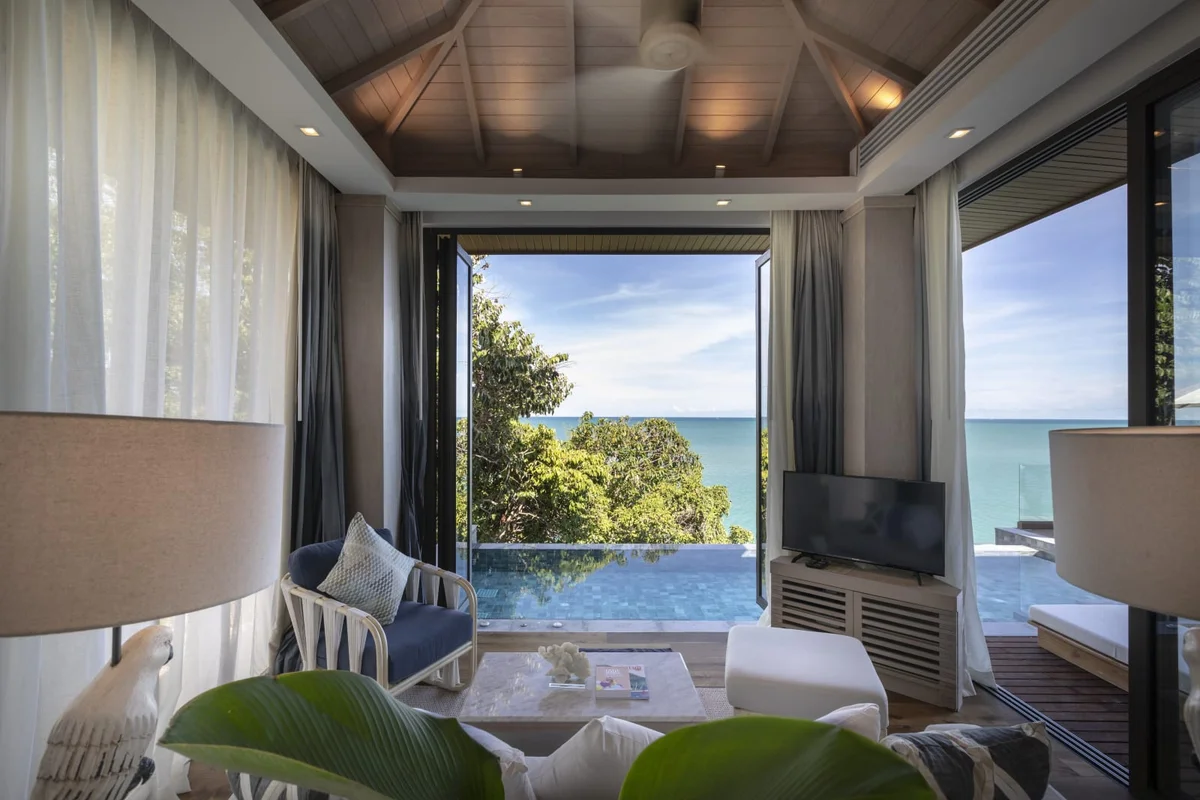
Cape Fahn Hotel Samui
When you book Cape Fahn Hotel Samui in Koh Samui, Thailand, through our withIN by SLH partnership, your stay includes daily continental breakfast for two and a hotel credit of $50-$100 USD per stay. You also receive a one-category room upgrade and early check-in when available. No premium credit card or membership needed: request a quote and our advisor books it at the same rate as booking direct.
Exclusive Booking Perks
These perks are included with your stay at the same rate as booking direct with the hotel.
- A credit worth $50-$100 (USD) per room, per stay to be spent only on extras such as F&B or Spa, only on property and during the stay
- Daily Continental breakfast for two people
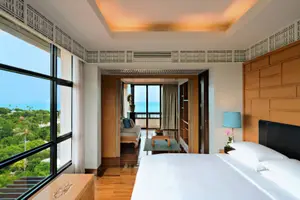
- Room upgrade to next room category, subject to availability at the time of check-in
- Early check-in, subject to availability at the time of check-in
- Late check-out, subject to availability
Location
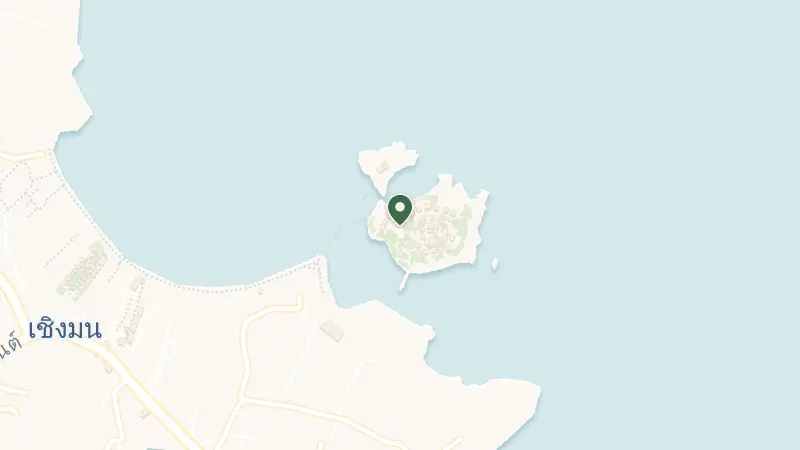
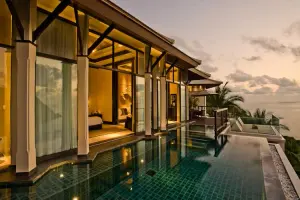
Cape Fahn Hotel Samui occupies a private island reached by a short wade through shallow turquoise water, a fitting arrival for a property that prizes seclusion above all else. The hotel sits just offshore from Choeng Mon, a quieter stretch of Samui's northeast coast where coconut palms still outnumber high-rises and the pace holds steady against the island's busier southern beaches. Samui itself, Thailand's second-largest island, floats in the Gulf of Thailand with a cultural identity distinct from the Andaman resorts: fishing villages turned low-key beach towns, Buddhist temples tucked into jungle hillsides, and a kitchen tradition rooted in southern Thai spice and seafood.
The Choeng Mon neighbourhood maintains a residential feel, its main road lined with family-run Thai restaurants and modest guesthouses. Samrong Beach, less than three kilometres away, curves in a gentle arc with soft sand and calm water. The island's original fishing communities still operate along the northeast coast, their wooden longtail boats moored in the shallows at dawn. Bangrak beach, further west, is known locally for its morning fish market where the day's catch is auctioned before the heat sets in.
Samui International Airport, just four kilometres from the property, is one of Thailand's few open-air terminals, its peaked roofs and palm-lined runways an extension of the island's tropical aesthetic rather than a break from it. Most arrivals are by direct flight from Bangkok, Singapore, or Hong Kong.
The property's only restaurant, Long Dtai, occupies a terrace overlooking the bay with chef David Thompson at the helm. His southern Thai cooking leans into the region's signature intensity: gaeng tai pla (fermented fish curry), kua kling (dry-fried minced pork with turmeric and chilli), and salads spiked with green mango and pla raa. The island's Michelin-selected dining list confirms what locals already know: this is an island that takes its food seriously, even if most of it happens in unassuming shophouses rather than resort dining rooms.
Book a table at the Bangrak beach fish market at sunrise, when vendors auction mackerel, squid, and crab pulled in hours earlier. The weekly walking street in Bophut, six kilometres away, brings out street carts selling grilled satay and coconut-shell ice cream against a backdrop of restored Sino-Portuguese shophouses. Inland, waterfalls like Khun Si and Tan Rua offer cooler air and forest shade, particularly welcome after a morning at Chaweng Yai Beach, nearly six kilometres south, where the sand stretches wide and the water stays shallow for a hundred metres. Diving operations at Member Diving and Aqualung, both under seven kilometres away, run trips to Sail Rock, a granite pinnacle famed for schooling barracuda and occasional whale shark sightings.
January through April deliver the driest, clearest months on Samui, with temperatures hovering near 28°C and the Gulf of Thailand at its stillest. The light during this stretch is sharp, the sky a consistent cloudless blue, and the beaches fill with European and North American visitors escaping winter.
May through September brings warmer air and brief afternoon showers, though the western monsoon that drenches Phuket largely spares the Gulf islands. Humidity climbs, but so does the green intensity of the jungle interior, and the island feels less crowded, its rhythm more local.
October and November see the heaviest rain, often in sustained evening downpours that turn roads to rivers and empty the beaches. By December, the storms taper and the island begins drying out again, though December still carries more cloud cover and sporadic rain than the months that follow.
Frequently Asked Questions

Quotes are personally reviewed by Natasha Hardy, founder of The Uncommon Traveller
5.0 rating · 8 Google reviewsThere is no fee or markup. The hotel pays our commission.
Request a Quote 3 Bib Gourmand