
AMANOR Hotel Chiang Mai
When you book AMANOR Hotel Chiang Mai in Thailand through our withIN by SLH partnership, your stay includes daily continental breakfast for two and a hotel credit of $50-$100 USD per stay. You also receive a one-category room upgrade and early check-in when available. No premium credit card or membership needed: request a quote and our advisor books it at the same rate as booking direct.
Exclusive Booking Perks
These perks are included with your stay at the same rate as booking direct with the hotel.
- A credit worth $50-$100 (USD) per room, per stay to be spent only on extras such as F&B or Spa, only on property and during the stay
- Daily Continental breakfast for two people
- Room upgrade to next room category, subject to availability at the time of check-in
- Early check-in, subject to availability at the time of check-in
- Late check-out, subject to availability
Guest feedback
9.0/10 from 546 guest reviews
By category
Guests liked
- Exceptional, attentive staff (multiple named staff praised)
- Excellent cleanliness and daily housekeeping
- Great Nimman location close to restaurants, bars and shops
Points to consider
- Gym could use an upgrade
- No small trash bin near fridge/coffee station noted by one reviewer
Location
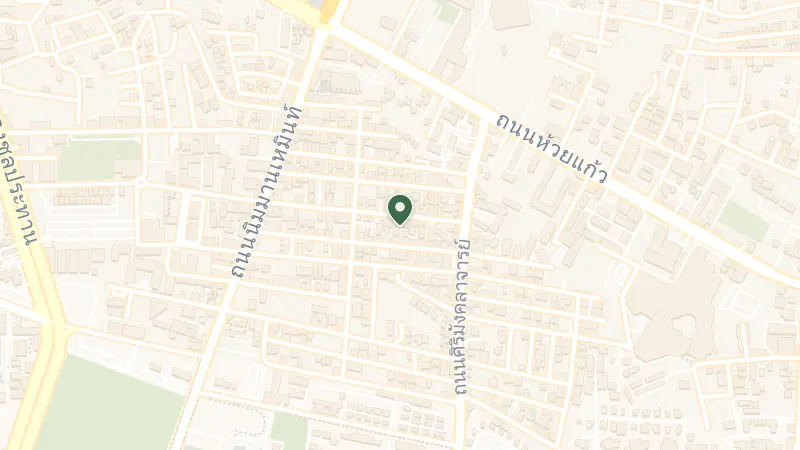
Chiang Mai rises from the Ping River valley in Thailand's mountainous north, 700 kilometres from Bangkok. Founded in 1296 as the capital of the Lan Na kingdom, the city still guards its heritage within a square moat and remnants of red brick walls that once enclosed the old town. Beyond this historic core, the greater metropolitan area spreads across foothills and valleys, home to over a million residents who move between Buddhist temples and contemporary cafés with equal fluency. The air carries temple incense and charcoal smoke from street-side grills; the rhythm is slower here than in the capital, shaped by mountain proximity and centuries of northern Thai custom.
AMANOR Hotel Chiang Mai sits just outside the ancient moat, where residential lanes give way to quieter streets lined with teak shophouses and neighbourhood markets. Suthep Market, a 1.2-kilometre walk, spills over with northern produce: sticky rice baskets, chilli pastes, and bundles of miang kham leaves. Doi Suthep-Pui National Park stretches across the forested ridges 19 kilometres west, its temple visible from the city below.
Chiang Mai International Airport lies three kilometres southeast, a ten-minute drive through light traffic that eases further outside peak hours. The city's walkable scale rewards slow exploration; most of the old town's temples and galleries fall within two kilometres of the property.
The landscape around the property pulls you upward and outward. Doi Suthep-Pui National Park sprawls across nearly 20 kilometres of forested ridges and waterfalls, with trails that climb through dipterocarp canopy and orchid-hung clearings. Closer in, Huay Kaew Waterfall tumbles ten metres over mossy rock just over three kilometres away, a popular picnic spot where locals wade in shallow pools beneath the spray. The Choeng Doi Suthep Wildlife and Nature Education Center lies under three kilometres out, offering guided walks through conservation zones where barking deer and civets still move through the undergrowth. For a different rhythm, the Lanna Golf Club is three and a half kilometres south, its fairways edged by bamboo and flame trees.
Chiang Mai's dining scene leans heavily on northern Thai tradition: khao soi gai with its tangle of crispy noodles and coconut-turmeric broth, nam prik ong served with sticky rice and raw vegetables, and sai oua fragrant with lemongrass and galangal. The city's night markets are sensory sprawls, lit by strings of bulbs and soundtracked by sizzling woks. Book a table at one of the city's Michelin-recommended spots to taste how chefs are reworking Lan Na flavours with precision and restraint.
November through February delivers the coolest, driest weather, with morning temperatures dipping to 15°C before climbing to the mid-twenties by afternoon. The light turns sharp and golden, ideal for temple visits and mountain drives. March and April bring peak heat, 35°C under cloudless skies, offset by evening thunderstorms that arrive in late April.
May through October defines the monsoon season, when afternoon rains drench the city and turn the surrounding hills emerald. August sees the heaviest downpours, but mornings often break clear and soft. The rhythm shifts: markets open earlier, temple courtyards empty by midday, and the countryside greens into its most photogenic state.
December and January draw the largest crowds, when the cool season coincides with festivals and night markets. February offers a quieter window before the heat builds, when the hills still hold morning mist and the city moves at its most comfortable pace.
Frequently Asked Questions

Quotes are personally reviewed by Natasha Hardy, founder of The Uncommon Traveller
5.0 rating · 8 Google reviewsThere is no fee or markup. The hotel pays our commission.
Request a Quote 18 Bib Gourmand