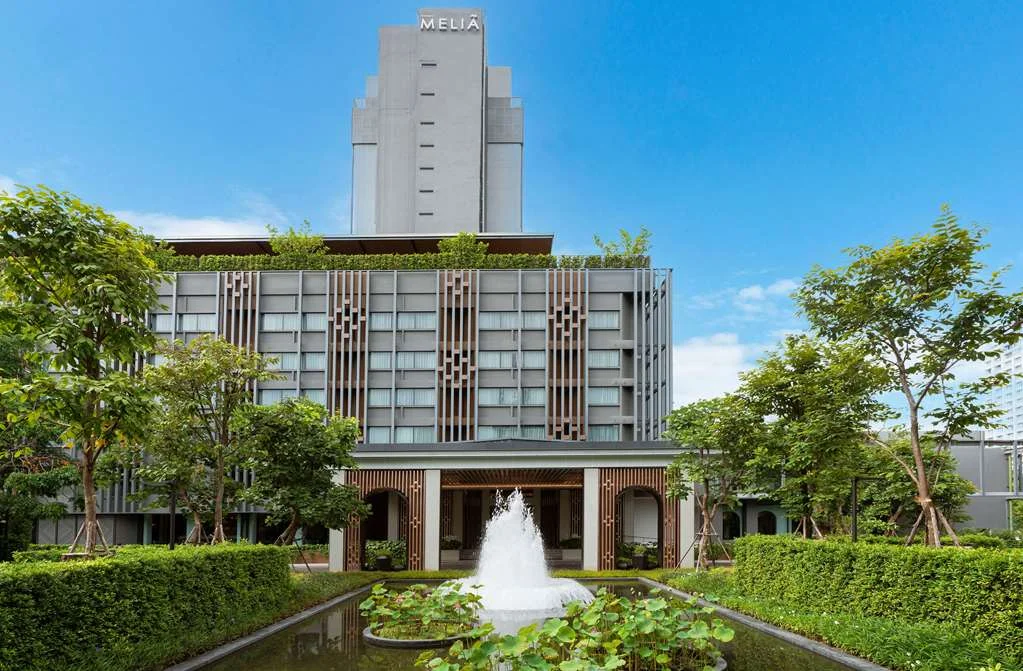
Melia Chiang Mai
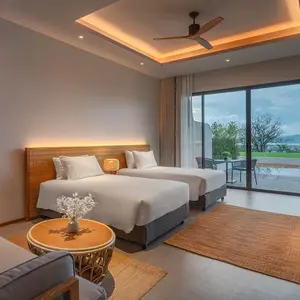
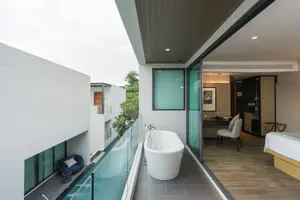
When you book Melia Chiang Mai in Thailand through our Tablet Plus partnership, your stay includes a one-category room upgrade and late check-out when available. No premium credit card or membership needed: request a quote and our advisor books it at the same rate as booking direct.
Exclusive Booking Perks
These perks are included with your stay at the same rate as booking direct with the hotel.
- Upgrade to next room category, based upon availability at check-in
- Guaranteed 2pm late check-out
- Please note: Complimentary upgrades are not provided to suites
- Complimentary VIP amenity set up (on arrival day)
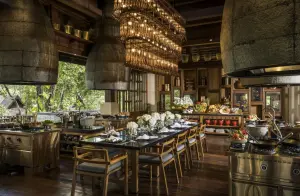
- 25 USD food & beverage credit per room, per day at hotel restaurant and bar (Not applicable to alcohol beverage, in-room dining and minibar)
Guest feedback
9.4/10 from 1,883 guest reviews
By category
Guests liked
- Friendly staff
- Great location
- Clean rooms
Points to consider
- Low soundproofing
- Low ceilings in some areas
Location
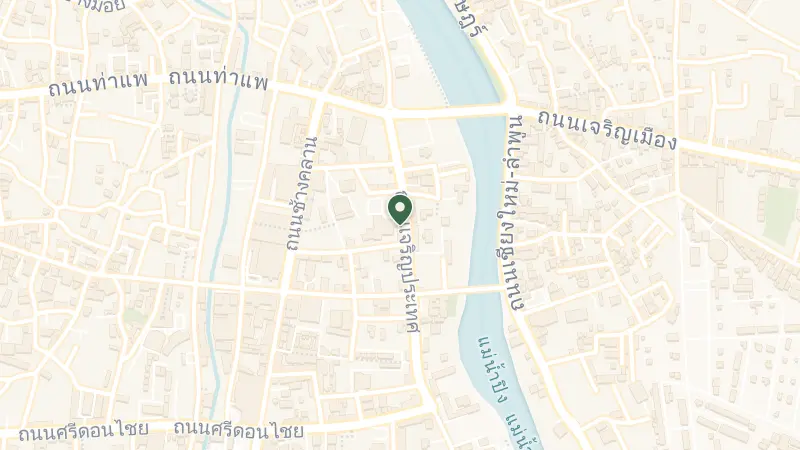
Chiang Mai rises against the forested highlands of northern Thailand, 700 kilometres from Bangkok, where the Ping River bends through a valley ringed by temple-crowned hills. Founded in 1296 as the capital of the Lan Na kingdom, the city retains the layout of its origins: a square moat and remnants of red brick walls encircle the old quarter, where gilded stupas and teak monasteries shoulder against contemporary galleries and shophouse cafes. Beyond the historic core, the metropolitan sprawl reaches toward surrounding peaks, but the atmospheric pull remains concentrated within walking distance of those ancient fortifications.
The immediate neighbourhood pulses with market energy. Anusarn Market and Lannatique market sit within 300 metres, their covered stalls heaped with woven textiles, lacquerware, and the sharp-sweet scent of grilled satay. Warorot Market, 600 metres north, operates as the city's commercial heart: wholesale vendors sell hill tribe produce, preserved fruits, and coils of sausage before dawn.
Chiang Mai International Airport lies five kilometres southwest, a ten-minute drive through the city's lattice of one-way streets. Songthaews (red pickup trucks converted into shared taxis) circulate constantly, though most of the old city unfolds on foot.
Warorot Market merits an early morning visit, when vendors arrange pyramids of mangosteen and rambutan under corrugated roofs and the air thickens with the smell of khanom krok (coconut rice cakes) sizzling on griddles. The Chiang Mai Gymkhana Golf Club, 1.6 kilometres east, offers a tree-lined course dating to 1898, originally established for British teak traders. For temple architecture, Wat Chedi Luang in the old city displays a 15th-century chedi partially collapsed in an earthquake, its Naga-flanked stairways still imposing against the skyline.
The foothills west of the city hold Huay Kaew Waterfall, nearly seven kilometres away, where a short forest trail leads to a ten-metre cascade popular with locals on weekends. Book a cooking class at one of the nearby organic farms: you'll pound curry paste in stone mortars, then eat khao soi (coconut curry noodles) under banana palms. Doi Suthep-Pui National Park, 22 kilometres northwest, rises to montane forest and the golden spire of Wat Phra That Doi Suthep, reached by a 300-step Naga staircase with views across the valley.
November through February delivers the region's dry season, with cool mornings in the high teens and afternoons peaking near 27°C. The skies stay clear, the light sharp against temple roofs, and evenings require a light jacket in outdoor restaurants.
March and April turn furnace-hot, temperatures climbing past 34°C, while farmers burn crop stubble in surrounding fields and haze softens the mountain silhouettes. May signals the monsoon's arrival: afternoon thunderstorms soak the streets, humidity thickens, and the countryside turns emerald.
July through September see the heaviest rains, though downpours typically arrive in the late afternoon and clear by evening, leaving the night markets glistening under string lights. October transitions back to dry conditions, the air still warm but less oppressive, as temple festivals resume across the old city.
Frequently Asked Questions

Quotes are personally reviewed by Natasha Hardy, founder of The Uncommon Traveller
5.0 rating · 8 Google reviewsThere is no fee or markup. The hotel pays our commission.
Request a Quote 18 Bib Gourmand