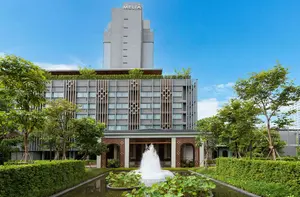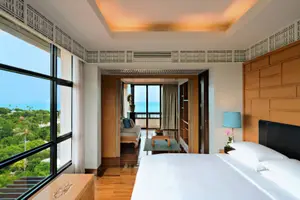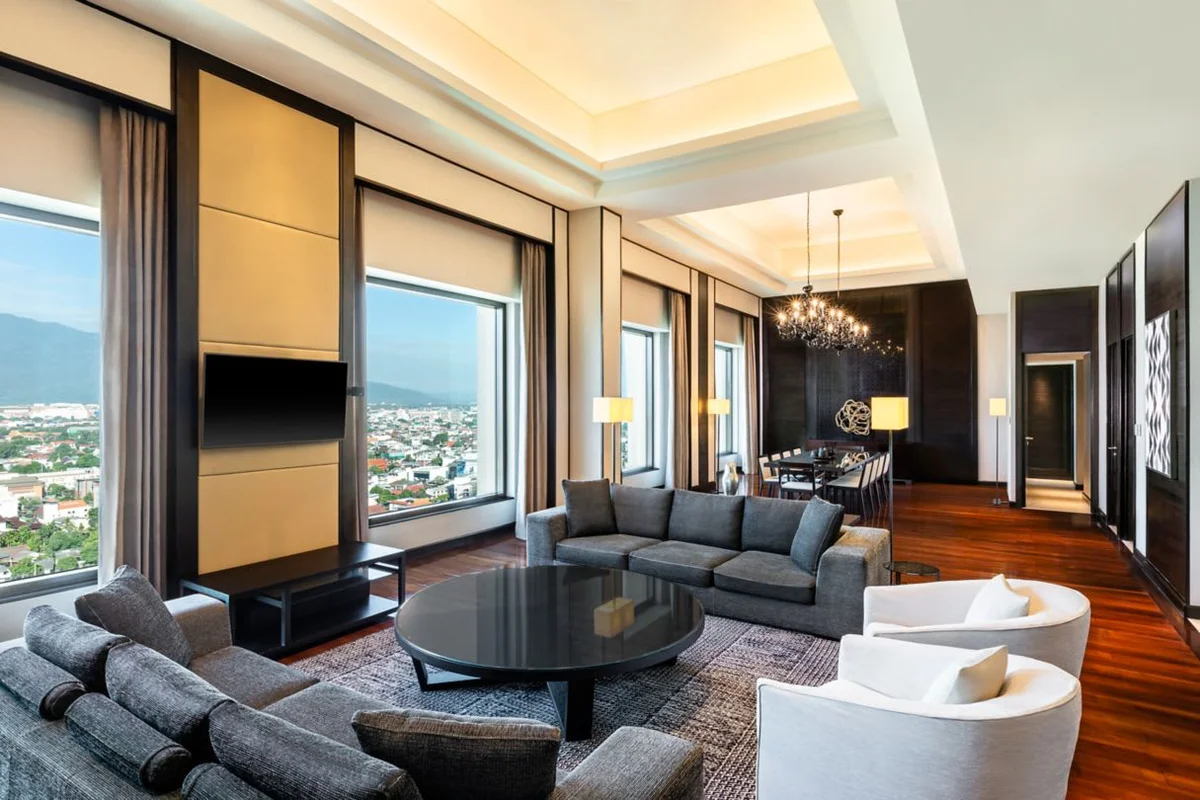
Chiang Mai Marriott Hotel
When you book Chiang Mai Marriott Hotel in Thailand through our Marriott Luminous partnership, your stay includes daily breakfast for two and a welcome amenity. You also receive a room upgrade, early check-in and late check-out when available. No premium credit card or membership needed: request a quote and our advisor books it at the same rate as booking direct.
Exclusive Booking Perks
These perks are included with your stay at the same rate as booking direct with the hotel.
- Welcome amenity
- Complimentary breakfast daily for two guests per room
- Early check-in and late check-out (when available)
- Complimentary upgrade (if available at check-in)
Guest feedback
9.2/10 from 1,333 guest reviews
Read what guests commentedBy category
Guests liked
- Outstanding service
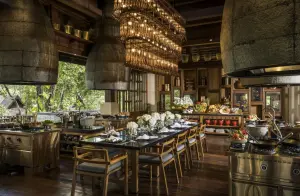
- Excellent food
Points to consider
- Delayed service at dinner
Location
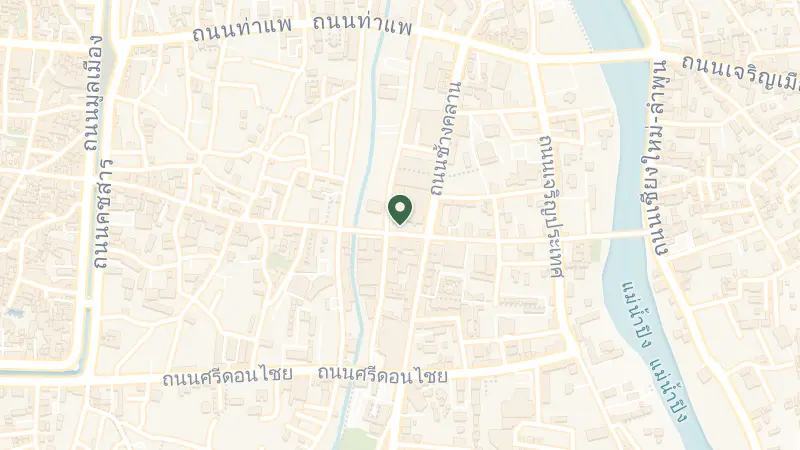
Chiang Mai sprawls across the mountainous Thai highlands, a city where ancient Lan Na heritage pulses beneath a contemporary surface. Founded in 1296 along the Ping River, the former capital retains its medieval heart: a square moat and crumbling red brick ramparts still define the old city, though the greater metropolitan area now reaches far beyond into surrounding valleys and foothills. Temple spires pierce the skyline, incense drifts from doorways, and the rhythm of daily almsgiving processions persists even as glass towers and boutique cafes multiply in the lanes beyond the walls.
The property sits within walking distance of Anusarn Market and Lannatique market, both less than half a kilometre away, where food stalls glow under string lights and the scent of grilled satay mingles with jasmine and diesel exhaust. The energy here feels distinctly northern Thai, less frenetic than Bangkok, more rooted in craft traditions and temple calendars. By day, the streets hum with motorbike taxis and tuk-tuks; by evening, they settle into a softer pace as vendors set up night market stalls and temple bells chime across the moat.
Chiang Mai International Airport lies just four kilometres from the property, a short drive through low-rise neighbourhoods and palm-lined boulevards. The city's compact scale makes it easy to navigate, whether by songthaew (shared red truck taxis) or private car, with the old city's key temples, markets, and colonial-era teakwood mansions all within a few minutes' reach.
The city's market culture defines much of daily life here. Warorot Market, less than a kilometre east, sprawls across multiple floors with vendors selling fresh longan, sticky rice steamed in bamboo, and bolts of hill tribe textiles in indigo and saffron. Ton Lam Yai Market, equally close, draws locals for morning khao soi (curry noodle soup) and bundles of fresh herbs tied with string. For a quieter browse, the Fruit market specializes in seasonal northern produce: rambutans, mangosteens, and the prized lamyai (longan) that gives the market its name.
Beyond the markets, Chiang Mai's temple heritage unfolds within a short drive. Book a morning visit to Doi Suthep-Pui National Park, twenty-two kilometres west, where Wat Phra That Doi Suthep's golden chedi gleams above the city from its mountaintop perch at 1,073 metres. Closer to the property, golfers will find the Chiang Mai Gymkhana Golf Club under two kilometres away, an eighteen-hole course laid out in 1898 that remains one of Southeast Asia's oldest. Nature enthusiasts can head six kilometres northwest to Huay Kaew Waterfall, a ten-metre cascade at the edge of the foothills, popular with locals on weekends for picnics beneath the spray.
The cool season, November through February, delivers Chiang Mai's most comfortable weather. Temperatures hover in the mid-twenties by day, dipping to the mid-teens at night, and the air turns crisp enough for long sleeves after sunset. The skies stay clear, the hills sharp-edged against blue, and temple courtyards fill with visitors escaping Bangkok's heat.
March through May brings the hot season, when temperatures climb past thirty-four degrees and the valleys shimmer with haze from agricultural burning. The city slows mid-afternoon; markets open earlier, and locals retreat indoors until the heat breaks. April sees Songkran, the Thai new year, when the streets erupt in water battles and the old city becomes one vast celebration.
The monsoon arrives in June and lasts through October, with afternoon thunderstorms that turn the foothills emerald and swell the Ping River. Mornings often stay dry, and the rain clears the air, leaving the city washed and cooler. September sees the heaviest downpours, but the valleys turn lush, waterfalls run full, and temple gardens bloom with frangipani and orchids.
Frequently Asked Questions

Quotes are personally reviewed by Natasha Hardy, founder of The Uncommon Traveller
5.0 rating · 8 Google reviewsThere is no fee or markup. The hotel pays our commission.
Request a Quote 18 Bib Gourmand