Shangri-La Chiang Mai
When you book Shangri-La Chiang Mai in Thailand through our Shangri-La Luxury Circle partnership, your stay includes full breakfast for two and a hotel credit of USD $50 or $100 once per stay. You also receive a one-category room upgrade, early check-in and late check-out when available. No premium credit card or membership needed: request a quote and our advisor books it at the same rate as booking direct.
Exclusive Booking Perks
These perks are included with your stay at the same rate as booking direct with the hotel.
- Upgrade to the next room type category at the time of booking, subject to availability
- Hotel credit of USD $50 or $100 (once per stay)
- Complimentary full breakfast for two, including in-room dining
- A VIP Welcome Amenity
- Early check-in and late check-out, subject to availability
Guest feedback
9.2/10 from 1,335 guest reviews
By category
Guests liked
- Great service
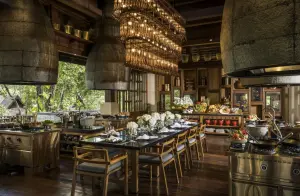
- Exceptional dining
Points to consider
- Lacked value for money
Location
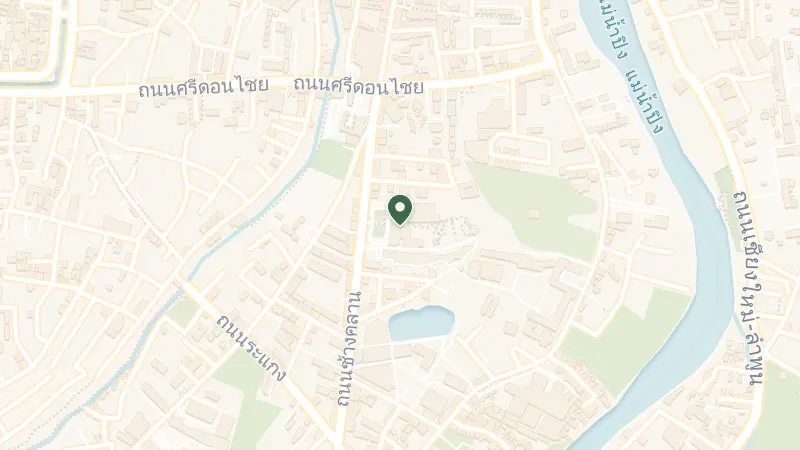
Shangri-La takes its name from a fictional Himalayan refuge, and the brand's Asian-rooted hospitality philosophy threads through each of its properties from Hong Kong to the Middle East. The signature CHI wellness approach and attentive service reflect a Pan-Asian sensibility rather than purely local character, a distinction worth noting in a city as culturally specific as Chiang Mai.
The city itself was founded in 1296 as the capital of the Lan Na kingdom, and that legacy still shapes the rhythm of daily life. At the centre sits a near-perfect square moat and fragmentary red brick ramparts, remnants of medieval fortifications that now frame temple-lined lanes and shophouse cafés. Beyond this historic core, the Ping River slides south through a valley ringed by forested highlands, the air thick with incense smoke from hundreds of active temples and the hum of tuk-tuks navigating soi alleyways.
Chiang Mai International Airport lies four kilometres from the property, a ten-minute drive that drops you into the northern Thai hills 700 kilometres from Bangkok. The city feels both intimate and sprawling: the old quarter is compact enough to explore on foot, while the greater metropolitan area sprawls across districts like Hang Dong and San Sai, home to workshops, night markets, and hill-tribe villages.
The property anchors you within easy reach of the city's living heritage. Warorot Market, 1.3 kilometres east, is a sensory immersion: stalls piled with sticky rice wrapped in banana leaves, bolts of ikat silk, and bundles of fresh turmeric. Anusarn Market, just half a kilometre away, takes on a different energy after dark, lit by lanterns and humming with vendors selling khao soi and northern sausages. Book a table at one of Chiang Mai's growing roster of ambitious restaurants, though Michelin has yet to award stars here; the focus remains on traditional Lanna cuisine and hyperlocal produce from mountain farms.
Temple-hopping is the city's defining pastime. Wat Chedi Luang, within the old walls, dates to the fourteenth century and still shelters saffron-robed monks at evening chants. For a wider view, drive seven kilometres to Huay Kaew Waterfall at the base of Doi Suthep-Pui National Park, where trails wind through teak forest and past ten-metre cascades. The Chiang Mai Gymkhana Golf Club, 1.2 kilometres from the hotel, offers a colonial-era course beneath the foothills if you prefer structured green to wilderness.
November through February delivers the clearest skies and mildest temperatures, mornings cool enough for long sleeves before the sun climbs into the mid-twenties Celsius. This is peak season: the moat reflects sharp blue overhead, temple courtyards fill with golden light, and evening markets feel almost crisp.
March and April turn furnace-hot, the valleys hazy with agricultural burning and daytime highs pushing past 34°C. May inaugurates the monsoon, rains arriving in afternoon curtains that soak the teak forests and refill the Ping River. July and August see the heaviest downpours, the city slowing to a languid rhythm between storms.
October marks the tail of the wet season, the hillsides vivid green and wildflowers blooming along national park trails. December cools again, mornings dipping into the mid-teens and evenings requiring a light jacket for rooftop dining above the old quarter.
Frequently Asked Questions

Quotes are personally reviewed by Natasha Hardy, founder of The Uncommon Traveller
5.0 rating · 8 Google reviewsThere is no fee or markup. The hotel pays our commission.
Request a Quote 18 Bib Gourmand