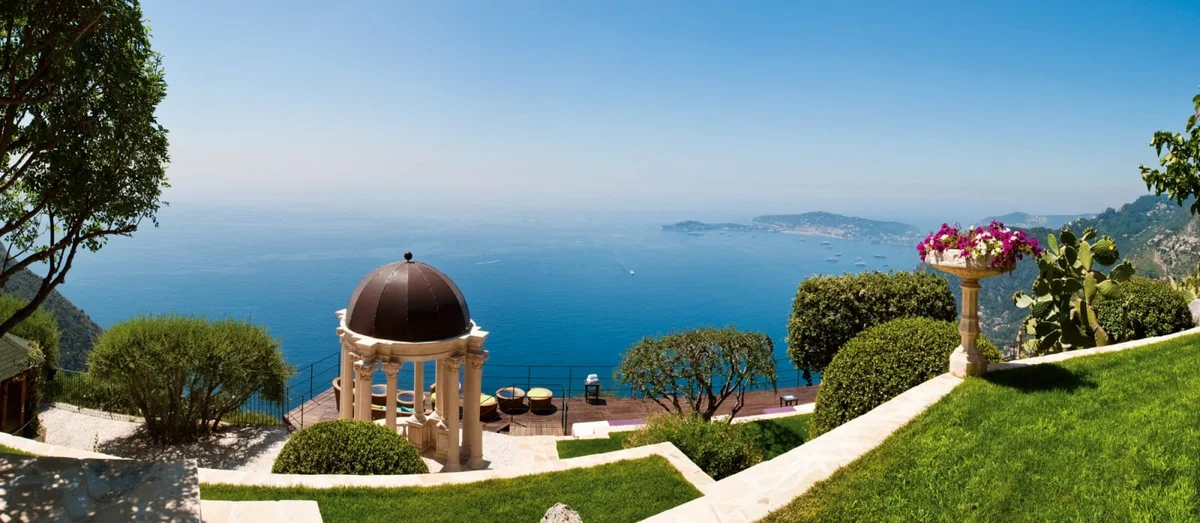
Chateau De La Chevre D Or
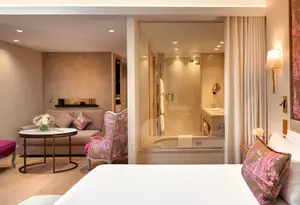
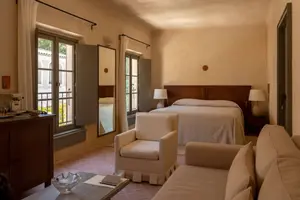
When you book Chateau De La Chevre D Or in Nice, France, through our Virtuoso partnership, your stay includes daily buffet breakfast for up to two guests and a welcome gift. You also receive a room upgrade, early check-in and late check-out when available. No premium credit card or membership needed: request a quote and our advisor books it at the same rate as booking direct.
Exclusive Booking Perks
These perks are included with your stay at the same rate as booking direct with the hotel.
- Upgrade on arrival, subject to availability
- Daily Buffet breakfast for up to two guests per bedroom, served in the restaurant
- $100 USD equivalent Food & Beverage credit to be utilized during stay (not applicable in La Chèvre d'Or Gourmet Restaurant, not combinable, no cash value if not redeemed in full)
- Welcome Gift in-room of one bottle of rosé, a Chef-prepared pastry, and a soap
- Early check-in / Late check-out, subject to availability
Guest feedback
Based on 121 guest reviews
Read what guests commentedBy category
Guests liked
- Exceptional service
- Beautiful location
- Stunning property
Points to consider
- Room quality issues
- Certain amenities overrated
Location
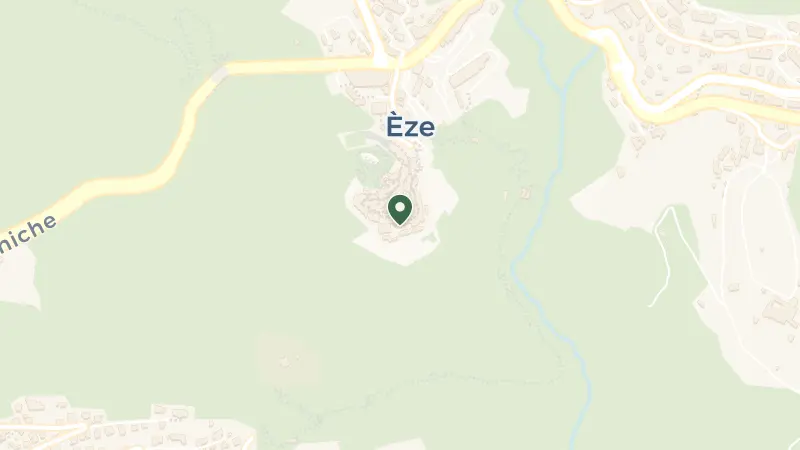
The medieval village of Èze clings to its rocky promontory 429 metres above the Mediterranean, a vertiginous perch that has drawn travellers since Phoenician traders first navigated these waters. Stone pathways wind between houses that seem to grow from the cliff face itself, their foundations medieval, their shutters painted in sun-faded ochres and blues. The air carries the scent of wild rosemary and maritime pine, mingling with woodsmoke from restaurant kitchens where chefs work within ancient vaulted ceilings.
Eight kilometres west, Nice sprawls along the Baie des Anges, its UNESCO-listed Winter Resort Town designation recognizing the Belle Époque architecture and promenade culture that transformed a fishing port into the Riviera's crown jewel. The principality of Monaco glitters thirteen kilometres east. Between these poles, the coastal corniche threads past pebblestone beaches and naturist coves where the sea shifts from turquoise to cobalt depending on the depth of the shelf.
Below Èze's old town, the neighbourhood of Èze-Bord-de-Mer hugs the shore, its own small beaches accessible via footpaths that descend through Mediterranean scrub. Nice-Côte d'Azur Airport lies fourteen kilometres west, connected by coastal train and road that curve past Cap d'Ail and Villefranche-sur-Mer, each bay revealing another postcard vista of red-tiled roofs against impossible blue.
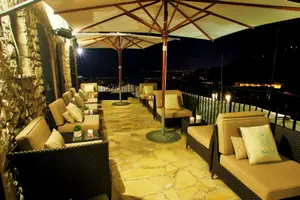
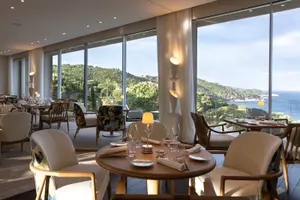
The property's two restaurants operate at opposite ends of the culinary spectrum. La Chèvre d'Or, holding two Michelin stars, delivers creative haute cuisine on a terrace that cantilevers over the Mediterranean, while Les Remparts offers more relaxed Mediterranean fare with equally commanding views of Saint Jean Cap Ferrat. Book a table at Le Louis XV, Alain Ducasse's three-starred flagship five kilometres away in Monaco, where the dining room channels the opulence of the Belle Époque and the menu celebrates Provençal and Ligurian traditions with Mediterranean fish, vegetables from local market gardens, and truffles in season. The pebblestone Plage de la Mala curves into a protected cove two kilometres down the hillside, reachable by footpath through fragrant maquis scrubland.
Cultural exploration requires a short drive into Nice proper, eight kilometres west. The Musée Matisse sits in the Cimiez district among Roman ruins, its collection spanning the artist's entire career from early still lifes to late paper cutouts. The musée Marc-Chagall, opened in 1973, houses the largest public collection of the artist's work, including his Biblical Message cycle. For provisions and atmosphere, the Condamine Market in Monaco's old quarter offers morning displays of Menton lemons, socca vendors, and fishmongers selling the day's catch.
Summer transforms the Riviera into pure Mediterranean theatre. July and August hover near 27°C, the light so sharp it bleaches stone and intensifies the cobalt sea. Rain becomes a memory (sixteen millimetres in July), and terraces fill from aperitif hour through midnight. The heat drives locals to early-morning markets and late dinners.
Spring and autumn balance warmth with variability. May reaches 20°C but can surprise with rain showers that leave the hillsides fragrant with herbs. September holds summer's warmth (24°C) while thinning the crowds, the sea at its warmest after months of sun. October still offers beach days between storms.
Winter remains remarkably mild (averaging 11-12°C), the season that birthed Nice's reputation as a winter resort for northern Europeans. Mornings can be crisp enough for alpine walks, afternoons warm enough for terrace lunches. Rain peaks in March, but between systems the light takes on a crystalline quality prized by painters since Matisse first arrived.
Frequently Asked Questions

Quotes are personally reviewed by Natasha Hardy, founder of The Uncommon Traveller
5.0 rating · 8 Google reviewsThere is no fee or markup. The hotel pays our commission.
Request a Quote 13 Bib Gourmand