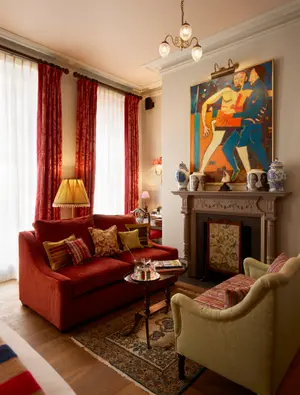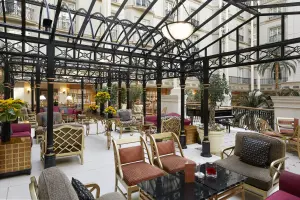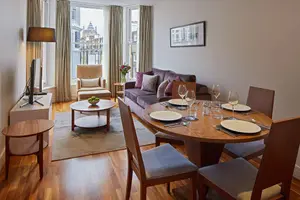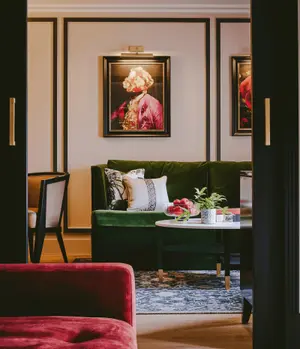
Cheval Gloucester Park at Kensington
When you book Cheval Gloucester Park at Kensington in London, England, through our Fora Reserve partnership, your stay includes a room upgrade, early check-in and late check-out when available. No premium credit card or membership needed: request a quote and our advisor books it at the same rate as booking direct.
Exclusive Booking Perks
These perks are included with your stay at the same rate as booking direct with the hotel.
- Room upgrade
- Early Check-in and Late Check-out subject to availability
- Enhanced welcome breakfast hamper on arrival
- Bottle of Champagne (applicable to minimum 2 nights stay)
Guest feedback
Based on 353 guest reviews
By category
Guests liked
- Excellent location
- Helpful staff
- Spacious rooms
Points to consider
- Issues with cleanliness
- Limited food options
- High price
Location
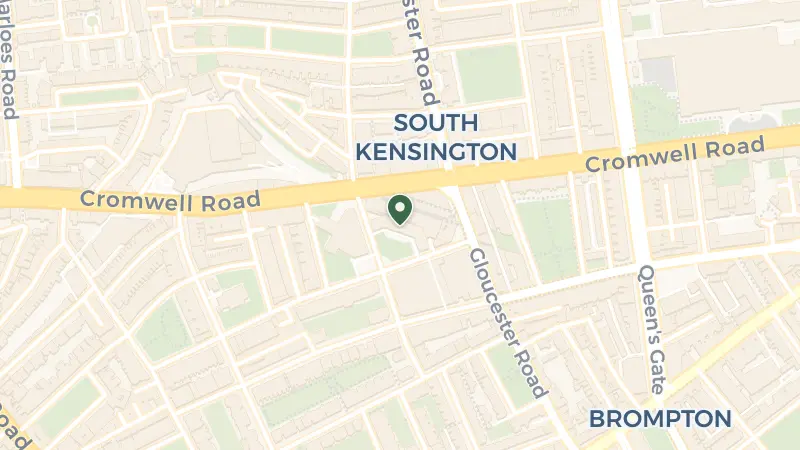
South Kensington unfolds with the unhurried confidence of a district that knows its worth. Tree-lined streets of creamy stucco townhouses give way to museum façades and the hum of life around Exhibition Road, where students from Imperial College share pavements with visitors trailing between the Natural History Museum, the Science Museum, and the Victoria and Albert Museum. The air smells faintly of roasted chestnuts in colder months, and the Underground rumbles beneath your feet as you walk past independent bookshops and European cafés tucked into Victorian terraces.
This corner of the Royal Borough of Kensington and Chelsea grew from the scattered Middlesex village of Brompton, its identity solidifying in the late nineteenth century when the railways arrived. Today it retains a quieter, more residential character than neighbouring Knightsbridge or Chelsea, though cultural weight is everywhere: museum galleries, Royal Albert Hall concerts, the sprawling greenery of Hyde Park and Kensington Gardens just to the north.
London City Airport sits seventeen kilometres east; Heathrow, nineteen kilometres west. The Tube connects both, though most arrivals from Heathrow find the Piccadilly Line direct to South Kensington station the simplest route into this part of town.
Start with the museums if you haven't before, but linger in the quieter corners: the Cast Courts at the V&A, the Hintze Hall at the Natural History Museum when the light slants through the Romanesque arches mid-afternoon. Portobello Market sprawls less than three kilometres northwest, best visited on Saturday mornings when antique dealers and vintage clothing stalls jostle for attention under awnings. For Michelin dining, Restaurant Gordon Ramsay holds three stars just under two kilometres southwest, its French precision as exacting as ever, while CORE by Clare Smyth offers modern British tasting menus two and a half kilometres west in Notting Hill (book well ahead for both). Alain Ducasse at The Dorchester, three-starred and Mayfair-bound, sits under three kilometres northeast if you want Ducasse's Riviera-inflected finesse.
Walk south toward the Thames for Chelsea Physic Garden, or north into Kensington Gardens to see the Serpentine Galleries and the Albert Memorial's gilded spire catching low winter sun. Notting Hill Farmers' Market, less than two kilometres away, runs Saturday mornings with organic produce and sourdough still warm from the oven. Don't miss the side streets around Pelham Crescent for Georgian symmetry and the kind of London calm that feels increasingly rare.
January through March brings sharp mornings and pale light, temperatures hovering between two and ten degrees. The city feels quieter then, museum halls echoing, streets slick with rain. Spring arrives slowly: April warms to the low teens, cherry blossoms froth along residential roads, and the parks turn impossibly green.
Summer stretches long and golden, July and August reaching the low twenties. Evenings stay bright until after nine, and the city shifts outdoors: pub gardens fill, museum courtyards buzz, Hyde Park becomes a sprawl of picnic blankets. This is peak season for a reason.
Autumn cools gradually, September still mild before October's crisper air and falling leaves. November turns grey and damp, December colder still, but the museums glow with holiday displays and the streets smell of mulled wine. Visit in late spring or early autumn for the best balance of weather and breathing room.
Frequently Asked Questions

Quotes are personally reviewed by Natasha Hardy, founder of The Uncommon Traveller
5.0 rating · 8 Google reviewsThere is no fee or markup. The hotel pays our commission.
Request a Quote 54 Bib Gourmand