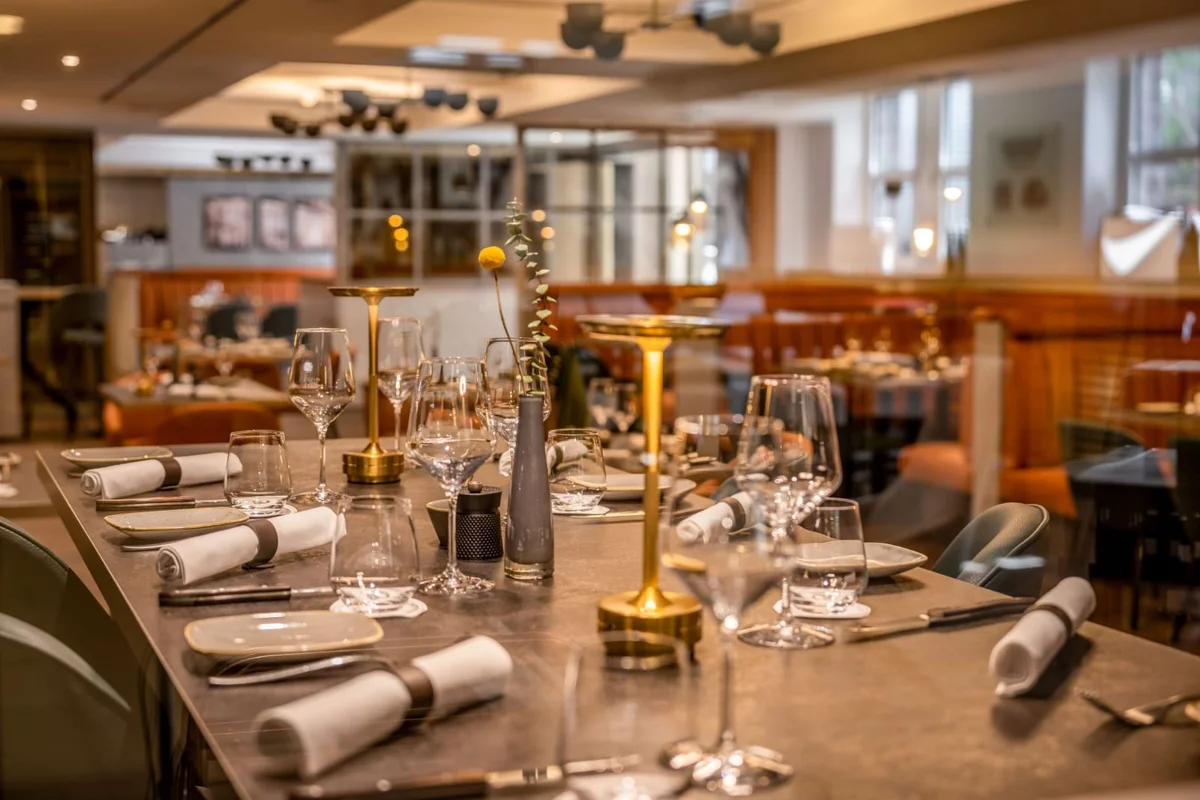
Cologne Marriott Hotel
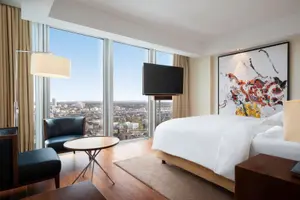
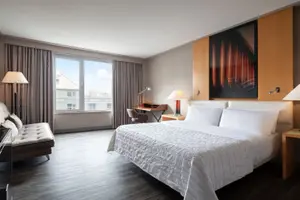
When you book Cologne Marriott Hotel in Germany through our Marriott Luminous partnership, your stay includes daily breakfast for two and a welcome amenity. You also receive a room upgrade, early check-in and late check-out when available. No premium credit card or membership needed: request a quote and our advisor books it at the same rate as booking direct.
Exclusive Booking Perks
These perks are included with your stay at the same rate as booking direct with the hotel.
- Welcome amenity
- Complimentary breakfast daily for two guests per room
- Early check-in and late check-out (when available)
- Complimentary upgrade (if available at check-in)
Location
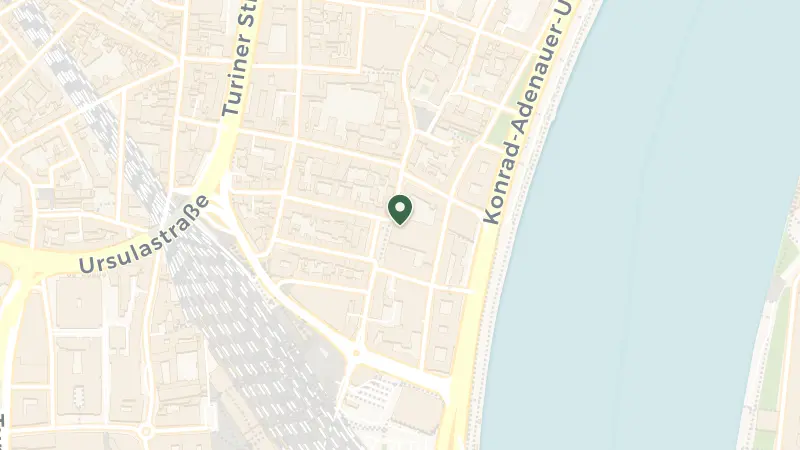
The Cologne Marriott Hotel sits in the Kunibertsviertel quarter of Altstadt-Nord, where the Rhine curves past Romanesque spires and modern glass towers. Step outside and you're a few minutes from the soaring twin spires of Cologne Cathedral, the Gothic masterpiece that held the title of world's tallest building in the 1880s and now guards the Shrine of the Three Kings. The main railway station hums just beyond, while the Romano-Germanic Museum, built in 1946, holds fragments of the city's Roman founding as Colonia Agrippina. The air here carries the legacy of Eau de Cologne, distilled in this city since 1709, and the streets pulse with the rhythm of the Rhine-Ruhr corridor, Europe's second-largest economic region.
Walk north and the neighbourhood reveals its quieter Romanesque character: the Twelve Romanesque churches of Cologne punctuate the cityscape, including St. Kunibert's rounded apse visible from the riverfront. Cross the Hohenzollern Bridge and Deutz spreads on the opposite bank, a newer quarter that frames the Altstadt skyline. The Rhine itself defines the city's orientation, its barges and pleasure boats threading between bridges old and new.
Cologne Bonn Airport lies fifteen kilometres southeast, connected by frequent rail links through the Hauptbahnhof. Düsseldorf's larger hub sits forty-one kilometres northwest for international arrivals.
Ox & Klee, two kilometres south, serves Daniel Gottschlich's "Art of Taste" tasting menu, a six-course exploration of salty, sweet, bitter, fatty, sour, and umami, introduced through a black box of amuse-bouches that prime the palate. Book weeks ahead for this two-starred experience that has redefined modern cuisine in Cologne's dining landscape. Further afield, Vendôme at Schloss Bensberg holds two stars under Dennis Kuckuck, who inherited the kitchen from Joachim Wissler and maintained its creative precision; it's fourteen kilometres southeast, worth the short drive for a meal in a Baroque hunting lodge overlooking the Rhine valley.
The cathedral demands more than a passing glance. Climb the 533 steps of the south tower for views across the Rhine, or linger inside to see the Shrine of the Three Kings, the gilded reliquary that justified this entire centuries-long construction. The Gero Cross, carved around 960 and housed within, remains the oldest large-scale crucifix north of the Alps. Afterwards, the organic market at Sudermannplatz unfolds each week less than a kilometre away, vendors selling Rhineland asparagus in spring and root vegetables through winter. The Romano-Germanic Museum preserves the city's Roman layers, while the Gaffel brewery, operational since 1908, pours Kölsch in the half-litre stangen glasses that local law mandates.
January and February bring sharp cold, temperatures hovering just above freezing, the Rhine reflecting slate skies and the cathedral's blackened stone standing stark against winter light. Snow dusts the Altstadt rooftops intermittently, and Christmas markets linger into early January with glühwein steam rising from wooden huts.
Spring arrives slowly. March thaws but remains brisk; by May the chestnut trees along the Rhine promenade leaf out fully, temperatures climbing into the high teens, and cafe terraces fill as daylight stretches past eight. Summer peaks modestly in July, rarely oppressive, ideal for riverfront walks and open-air concerts in the cathedral square.
September through October offers the warmest urban rhythm: fewer crowds, golden light on Gothic tracery, and the first autumn wines arriving from nearby vineyards. November turns grey and damp, the prelude to Advent markets, when the city tilts back toward its festive winter character.
Frequently Asked Questions

Quotes are personally reviewed by Natasha Hardy, founder of The Uncommon Traveller
5.0 rating · 8 Google reviewsThere is no fee or markup. The hotel pays our commission.
Request a Quote 6 Bib Gourmand