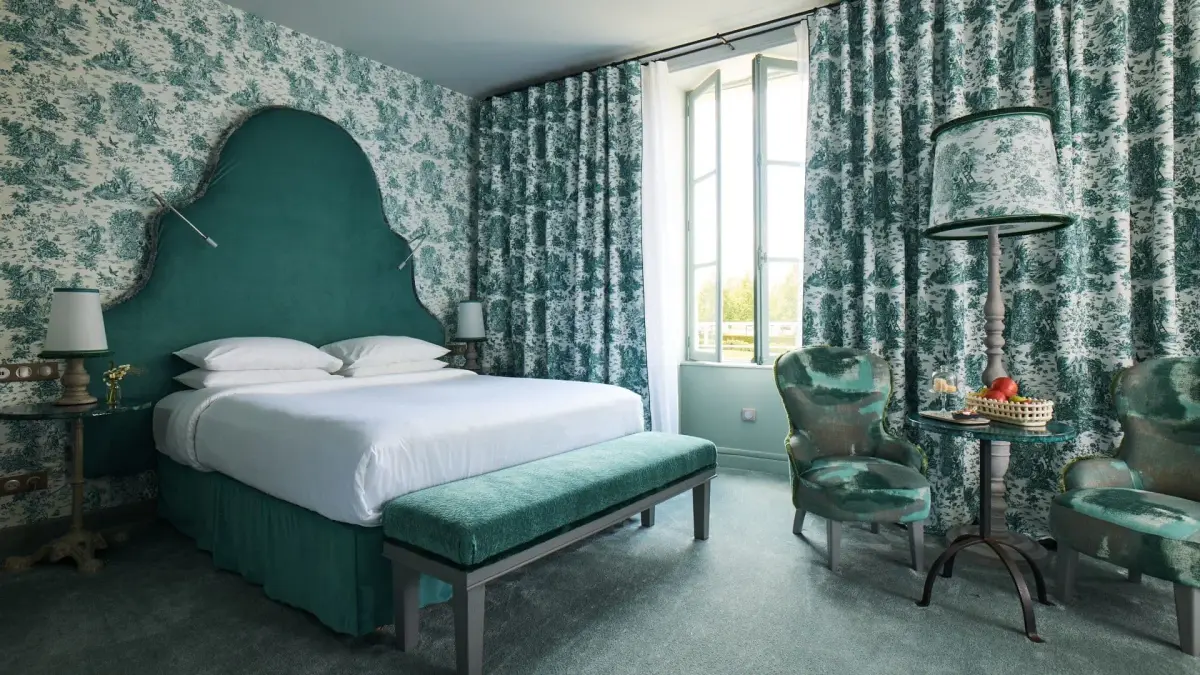
COMO Le Montrachet
Puligny-Montrachet France Europe
Guest rating 8.9/10 (251 reviews)When you book COMO Le Montrachet in Puligny-Montrachet, France, through our Tablet Plus partnership, your stay includes a welcome treat. You also receive a one-category room upgrade when available. No premium credit card or membership needed: request a quote and our advisor books it at the same rate as booking direct.
Exclusive Booking Perks
These perks are included with your stay at the same rate as booking direct with the hotel.
- Upgrade to next room category, based upon availability at check-in
- Welcome treat in room on arrival
- Welcome fruit plate in room on arrival
- Welcome glass of Puligny-Montrachet or Champagne and amuses-bouches
Guest feedback
8.9/10 from 251 guest reviews
By category
Guests liked
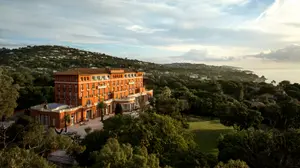
- Beautiful location
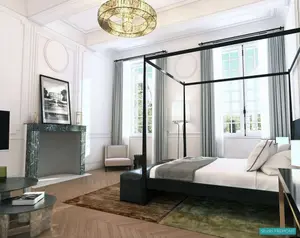
- Comfortable rooms
Points to consider
- High price for services
- Inconsistency in staff attitude
Location
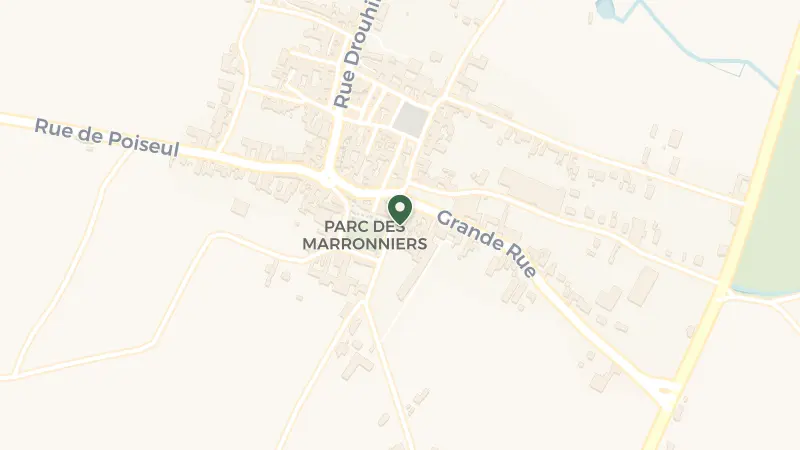
COMO brings its holistic wellness philosophy to the heart of the Côte de Beaune, a rare convergence of Singapore spa culture and Burgundian terroir. Puligny-Montrachet is a working wine village of 340 souls, its stone houses lining narrow lanes that thread between some of the world's most scrutinized vineyard parcels. The air here carries the earthy sweetness of crushed grape skins in autumn, the mineral scent of limestone soil warming under summer sun.
This is climat country: the UNESCO-recognized patchwork of meticulously delimited vineyard plots that climb gentle slopes south of Dijon, each expressing subtle variations in soil, exposure, and microclimate through its wine. Domaine Anne Bavard-Brooks sits just down the lane. The village itself offers little beyond a church, a few winemaker's cellars, and the quiet authority of vines that have produced some of history's most celebrated white Burgundy.
Beaune, the region's wine capital with its medieval Hospices and cobbled centre, lies fifteen kilometres north. Dijon Longvic airport is forty-four kilometres away, with Geneva and Lyon both under two and a half hours by car.
Le Montrachet anchors the property with modern cuisine served beneath exposed beams and illuminated spheres, lava-topped tables facing a manicured garden where meals extend onto the shaded terrace. The stone walls and woven willow evoke cellar architecture reimagined for dining. Book a table at Maison Lameloise, four kilometres away, where three Michelin stars illuminate warm, individually appointed dining rooms that tell the story of Burgundy's gastronomic evolution without nostalgia. Twenty-one kilometres south, Cédric Burtin's two-starred mill by a millstream showcases the Charolais countryside through a chef trained under Paul Bocuse and Pierre Orsi.
The village itself is a study in restraint: walk the lanes between climat boundaries, taste at Cave Saint-Nicolas or Chateau Armand Heitz within five kilometres. Marché de Chagny, four kilometres south, brings local producers to town on market days. The UNESCO climats stretch along the Côte de Nuits and Côte de Beaune, their precisely delimited parcels revealing how natural conditions shape expression in the glass.
Winter settles cold and grey over the vines, temperatures hovering just above freezing while dormant canes rest against their training wires. Spring arrives slowly, the risk of April frost a constant concern as buds break and tender shoots unfurl. Summer is warm and luminous, July and August bringing highs around twenty-five degrees, the extended daylight perfect for evening walks through the climats as grapes begin their veraison.
September marks harvest: cooler nights, golden light raking across the slopes, the sound of tractors and sorting tables filling the lanes. This is when the village pulses with purpose. October brings the first serious chill, leaves turning bronze before winter closes in again.
Late spring through early autumn offers the most rewarding conditions, though vintage enthusiasts time visits to September's controlled chaos.
Frequently Asked Questions

Quotes are personally reviewed by Natasha Hardy, founder of The Uncommon Traveller
5.0 rating · 8 Google reviewsThere is no fee or markup. The hotel pays our commission.
Request a Quote 10 Bib Gourmand