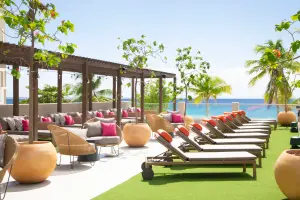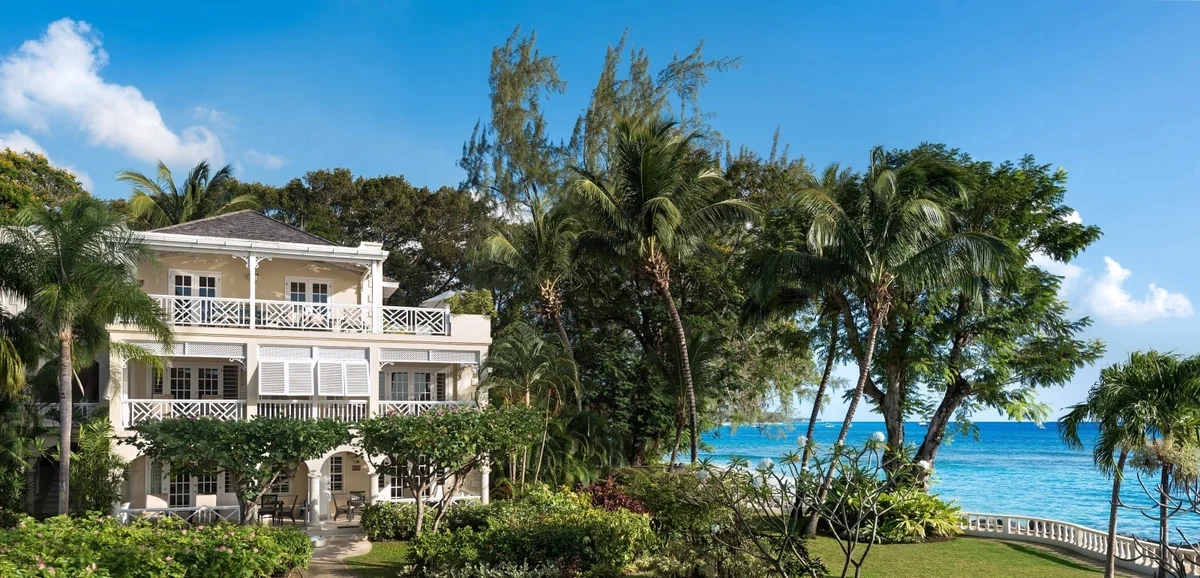
Coral Reef Club
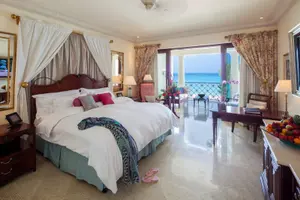
When you book Coral Reef Club in Barbados through our withIN by SLH partnership, your stay includes daily continental breakfast for two and a hotel credit of $50-$100 USD per stay. You also receive a one-category room upgrade and early check-in when available. No premium credit card or membership needed: request a quote and our advisor books it at the same rate as booking direct.
Exclusive Booking Perks
These perks are included with your stay at the same rate as booking direct with the hotel.
- A credit worth $50-$100 (USD) per room, per stay to be spent only on extras such as F&B or Spa, only on property and during the stay
- Daily Continental breakfast for two people
- Room upgrade to next room category, subject to availability at the time of check-in
- Early check-in, subject to availability at the time of check-in
- Late check-out, subject to availability
Guest feedback
9.5/10 from 36 guest reviews
By category
Guests liked
- Beautiful layout
- Fabulous staff
Points to consider
- High food and drink prices
- Breakfast variety could improve
Location
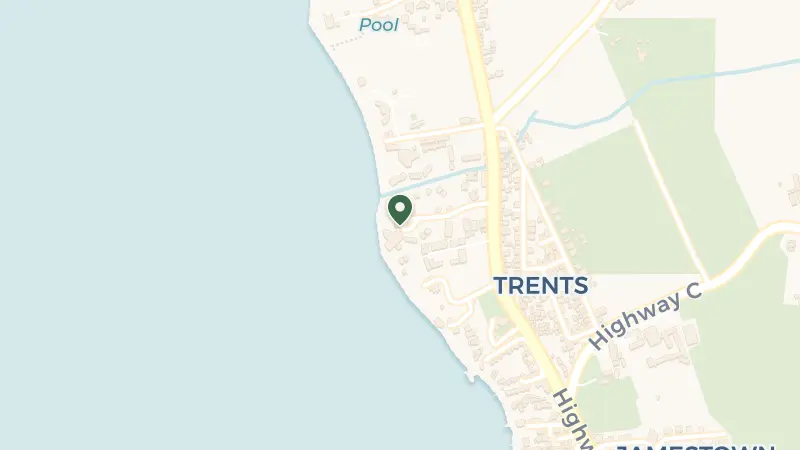
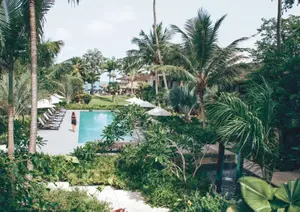
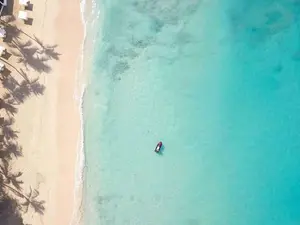
Coral Reef Club sits on the quieter, platinum west coast of Barbados, where the Caribbean laps gently at powdery coral sand and the pace slows to match the rhythm of the trade winds. The property occupies twelve acres of mature tropical gardens in the parish of Saint James, a stretch of coastline long favored for its calm turquoise waters and the kind of privacy that comes naturally when development remains low-rise and tasteful. Holetown, the island's first settlement, lies a short drive south, its modest collection of galleries and boutiques anchored by the parish church where records date back to 1628.
The west coast feels worlds apart from the livelier Atlantic side. Here, mahogany trees shade narrow lanes that wind past coral-stone chattel houses and open onto beaches where the sea is so still it mirrors the sky. Eleven kilometres south, Historic Bridgetown and its Garrison, a UNESCO World Heritage Site, showcases British colonial architecture from the seventeenth through nineteenth centuries, its old town a well-preserved record of Caribbean trade and power. The island's character is deeply rooted in this colonial past, yet Barbados (known locally as Bim) has evolved into a place where Cricket and Crop Over festivals define the social calendar as much as any British tradition.
Grantley Adams International Airport lies twenty-one kilometres southeast, an easy transfer along the coastal highway.
The west coast's calm water makes it ideal for paddleboarding and snorkeling straight from the beach, while golfers have five championship courses within five kilometres. Royal Westmoreland Golf Club, 1.4 kilometres inland, commands clifftop views over the Caribbean, while Sandy Lane's three courses (the Country Club, Old Nine, and Green Monkey) fan out between two and three kilometres south. Apes Hill Golf Club, just under five kilometres away, offers dramatic elevation changes rare on this flat coral island. Beach-hop along the coast: Sandy Lane Beach, two kilometres south, draws a quiet crowd, while Gibbes Beach, four kilometres north, remains largely undiscovered.
Millie Ifill Fish Market in Holetown, less than three kilometres away, is where fishing boats unload their catch each morning. Watch vendors fillet flying fish and kingfish with practiced speed, then head to one of the beachside shacks nearby for freshly grilled mahi-mahi with peppery Bajan seasoning. Book a table at a Holetown restaurant for cou-cou (cornmeal and okra, the national dish) served with stewed saltfish. Graeme Hall Nature Sanctuary, fifteen kilometres southeast, protects the island's largest inland wetland, a haven for herons and egrets against the rumble of the south coast.
December through April delivers the driest, most temperate weather, with highs hovering near twenty-seven degrees and rainfall scarce. The trade winds blow steadily from the northeast, keeping the air fresh even at midday. This is peak season, when the island fills with returning visitors and the beaches hum with quiet activity.
May begins the gradual shift toward wetter months, though mornings stay bright and showers tend to arrive in brief afternoon bursts. July through November sees the heaviest rainfall, particularly September and October, when tropical systems occasionally graze the island. The heat intensifies, but the west coast's sheltered position means the sea remains calm and swimmable year-round.
Late autumn into early winter brings lower humidity and the return of crystalline light that makes the turquoise water almost shocking in its clarity. This is when Barbados feels most like itself: warm without being oppressive, lush without being sodden.
Frequently Asked Questions

Quotes are personally reviewed by Natasha Hardy, founder of The Uncommon Traveller
5.0 rating · 8 Google reviewsThere is no fee or markup. The hotel pays our commission.
Request a Quote