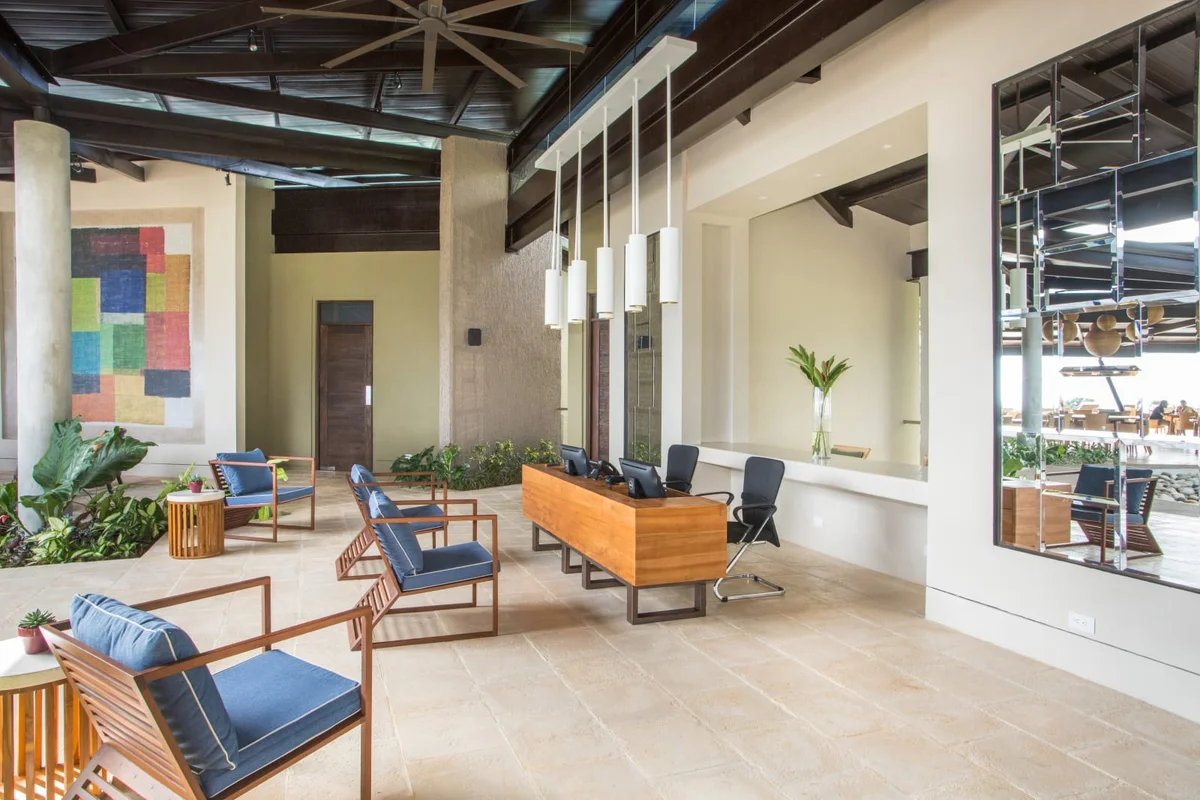
Hotel Three Sixty
When you book Hotel Three Sixty in Provincia de Puntarenas, Costa Rica, through our withIN by SLH partnership, your stay includes daily continental breakfast for two. Your stay also includes a hotel credit of $50-$100 USD per stay. You also receive a one-category room upgrade and early check-in when available. No premium credit card or membership needed: request a quote and our advisor books it at the same rate as booking direct.
Exclusive Booking Perks
These perks are included with your stay at the same rate as booking direct with the hotel.
- A credit worth $50-$100 (USD) per room, per stay to be spent only on extras such as F&B or Spa, only on property and during the stay
- Daily Continental breakfast for two people
- Room upgrade to next room category, subject to availability at the time of check-in
- Early check-in, subject to availability at the time of check-in
- Late check-out, subject to availability
Guest feedback
9.7/10 from 33 guest reviews
By category
Guests liked
- Quality Service
- Exquisite Food
Points to consider
- Small Gym
Location
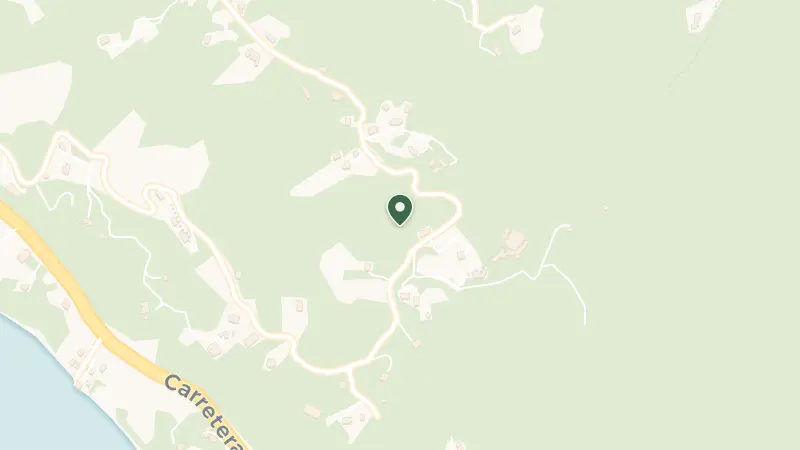
The Central Pacific coast unfolds in a blur of green where rainforest meets black sand, and Hotel Three Sixty occupies a privileged stretch of this convergence in Tortuga Abajo, a quiet corridor south of Jacó. This is Costa Rica stripped of resort-town polish: howler monkeys wake you before dawn, and the ocean is more mood than mirror, churning silver-grey under the weight of Pacific storms or calming to jade glass when the dry season takes hold. The landscape is unapologetically raw, the kind of place where nature dictates the rhythm and you adjust accordingly.
Playa Tortuga Sur lies less than two kilometres away, a dark-sand expanse framed by jungle that spills down to the tideline. Walk north and you'll reach Tortuga Norte in half an hour, or venture south to Playa Ventanas where sea caves puncture the cliffs and waves roar through natural arches at high tide. The Diquís Delta, 21 kilometres inland, holds Precolumbian stone spheres carved by chiefdoms centuries before European contact, though the trek requires commitment and a tolerance for humidity.
Quepos Managua Airport sits 68 kilometres north, a short hop for regional flights, though most arrivals route through San José and drive the coastal highway, a three-hour descent through banana plantations and abrupt elevation changes that leave your ears popping.
Ballena National Marine Park, 12 kilometres south, protects humpback whales that migrate here twice yearly, December through April and July through November. Book a morning boat tour from Uvita and you'll likely spot mothers teaching calves to breach, their tails slapping the surface with enough force to echo across the bay. On land, the park's beaches form a whale-tail shape at low tide, visible from clifftop trails that wind through dry tropical forest alive with toucans and scarlet macaws.
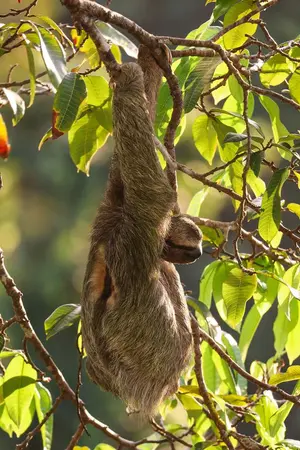
Closer in, waterfalls punctuate the interior: El Pavon spills over smooth rock ledges less than three kilometres from the property, reachable by a short hike through secondary forest where sloths hang motionless in cecropia trees. Mercado Bahía Ballena, 14 kilometres south, offers casado plates piled with rice, black beans, plantains, and whatever fish was landed that morning. Don't miss the pipa fría vendors who machete-open coconuts with alarming speed, the water inside still cold from the shade.
Dry season stretches from late December through April, when temperatures hover near 30°C and the forest takes on a brittle, sun-bleached quality. Mornings are sharp and clear, afternoons thick with heat that drives everyone to the shade or the water. This is peak wildlife viewing season: rivers shrink to reveal nesting sites, and animals congregate at remaining water sources.
May ushers in the rains, and they intensify through October, when 700 millimetres can fall in a single month. The jungle explodes into impossible shades of green, waterfalls triple in volume, and afternoons echo with thunderclaps that rattle windows. Roads turn to red mud, but the coast empties of crowds.
November and December offer a sweet spot: rains taper, temperatures cool slightly, and the landscape holds its lushness without the deluge. The air smells of wet earth and salt, and sunsets break through dissipating clouds in streaks of persimmon and violet.
Frequently Asked Questions

Quotes are personally reviewed by Natasha Hardy, founder of The Uncommon Traveller
5.0 rating · 8 Google reviewsThere is no fee or markup. The hotel pays our commission.
Request a Quote