De Durgerdam Amsterdam
When you book De Durgerdam Amsterdam in the Netherlands through our Tablet Plus partnership, your stay includes a welcome treat. You also receive a one-category room upgrade when available. No premium credit card or membership needed: request a quote and our advisor books it at the same rate as booking direct.
Exclusive Booking Perks
These perks are included with your stay at the same rate as booking direct with the hotel.
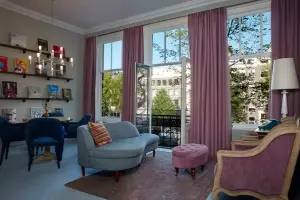
- Upgrade to next room category, based upon availability at check-in
- Complimentary glass of champagne per guest on arrival
- Welcome treat in room on arrival
- 20 EUR hotel credit per room, per day (valid towards bike and paddle board rentals)
Guest feedback
9.6/10 from 57 guest reviews
By category
Guests liked
- Cozy atmosphere
- Beautiful location
- Outstanding food
Points to consider
- Too many flies noted
Location
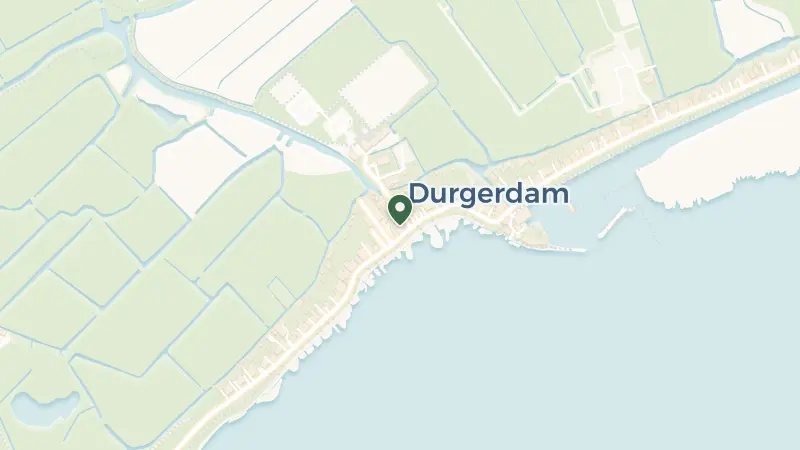
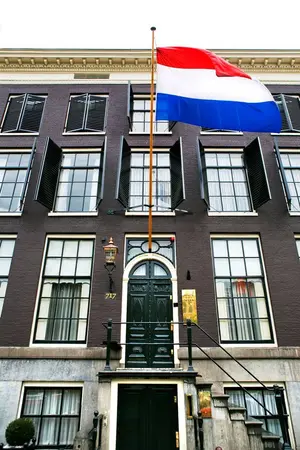
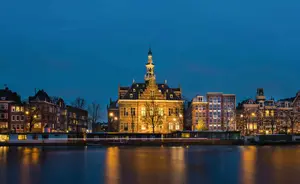
The property sits in Durgerdam, a dike village on Amsterdam's northern waterfront where timber houses line the IJ River and the pace slows to the rhythm of sailboats rocking at anchor. This is Noord at its most pastoral: narrow lanes, old fishing cottages, a single ribbon of road threading between water and polder. The village feels untouched by the bustle of central Amsterdam, yet the city's canal ring lies just six kilometres south.
Amsterdam's identity was forged by water. The Amstel River mouth became a trading port in the 12th century, and by the Dutch Golden Age of the 17th century, the city was Europe's financial engine. The canal ring, now a UNESCO World Heritage Site, remains a monument to that mercantile ambition: concentric waterways lined with gabled merchants' houses, their narrow facades concealing deep interiors. The city's tradition of openness and its cycling culture define modern Amsterdam as much as its art museums and brown cafés.
From Durgerdam, the rhythm is deliberate. Bicycles outnumber cars. Marinas dot the shore at Schellingwoude and Peek Watersport Centrum within three kilometres. Schiphol Airport lies 17 kilometres southwest, with trains running every ten minutes to Amsterdam Centraal; from there, ferries cross the IJ to Noord in five minutes.
Start with dinner at De Mark, the hotel's on-site restaurant recognized by Michelin's Selected Restaurants guide. The kitchen leans into modern European technique, and the dining room overlooks the dike and water beyond. Walk here from the village edge rather than driving straight to the door; the charm of Durgerdam unfolds gradually, house by house along the waterfront.
For Michelin-starred dining, head south. Restaurant 212 holds two stars and sits 6.1 kilometres away in a canal house where Richard van Oostenbrugge and Thomas Groot work their open kitchen with surgical precision. Flore, also two-starred and 6.5 kilometres distant inside De L'Europe hotel, offers what it calls conscious fine dining with a contemporary sensibility. Both require advance booking. Closer to the property, the Wednesday organic market at Biologische woensdagmarkt (3.4 kilometres) and the sprawling Albert Cuypmarkt (6.8 kilometres) pull locals and visitors alike for stroopwafels, raw herring, and whatever's in season. Rent a paddleboard from the hotel and explore the IJsselmeer shallows, or cycle to Jachthaven Schellingwoude (1.1 kilometres) where sailboats gather in summer.
Winter settles cold and grey over Amsterdam. January and February hover near six degrees, the canals sometimes freezing over in rare cold snaps, the light low and diffuse until late morning. Locals cycle bundled in scarves, and the brown cafés fill early.
Spring transforms the city. April brings tulip season and temperatures climbing past twelve degrees, the plane trees along the canals leafing out in pale green. May stretches daylight until past nine in the evening, terraces reopening, the air soft and mercurial.
Summer peaks mild, rarely surpassing 21 degrees. July and August draw festival crowds and long twilights, the canal ring alive with open-air concerts. September holds the warmth through the equinox before October's chill returns. Late spring and early autumn offer the best balance of light and comfort.
Frequently Asked Questions

Quotes are personally reviewed by Natasha Hardy, founder of The Uncommon Traveller
5.0 rating · 8 Google reviewsThere is no fee or markup. The hotel pays our commission.
Request a Quote 26 Bib Gourmand