Hotel 717
When you book Hotel 717 in Amsterdam, Netherlands, through our Tablet Plus partnership, your stay includes a welcome treat. You also receive a one-category room upgrade when available. No premium credit card or membership needed: request a quote and our advisor books it at the same rate as booking direct.
Exclusive Booking Perks
These perks are included with your stay at the same rate as booking direct with the hotel.
- Upgrade to next room category, based upon availability at check-in
- Complimentary cocktail per guest, per stay (max two guests)
- Complimentary bottled water (2 large bottles per room, on arrival)
- Welcome treat in room on arrival
Guest feedback
9.0/10 from 2,031 guest reviews
By category
Guests liked
- Exceptional staff
- Beautiful location
Points to consider
- Disappointing breakfast
- Noise issues from specific rooms
Location
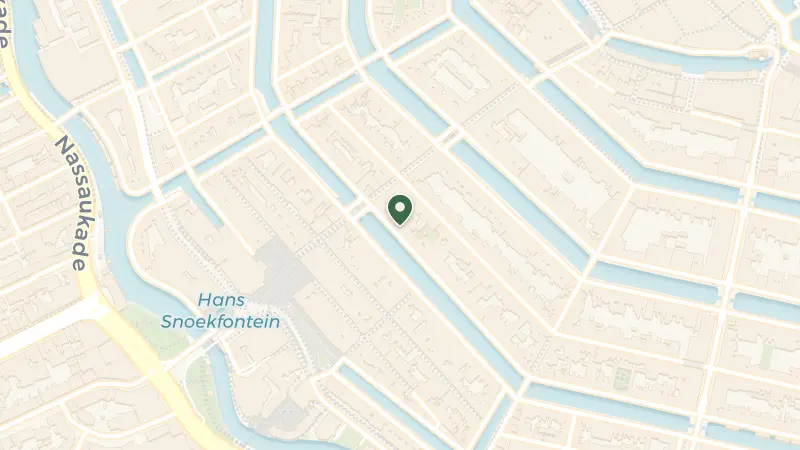
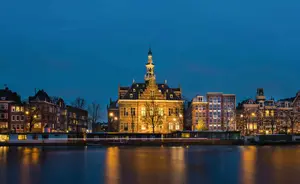
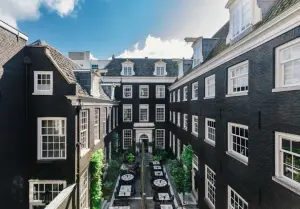
Hotel 717 makes its home in the Grachtengordel, the canal belt that defines Amsterdam's historic heart and earned UNESCO World Heritage status in 2010. The seventeenth-century rings, Singel, Herengracht, Keizersgracht, and Prinsengracht, curve in parallel arcs from the Brouwersgracht southeast toward the Amstel, lined with gabled canal houses from the Dutch Golden Age. This was the engine room of the seventeenth-century Dutch empire, when Amsterdam commanded global trade routes and bankers on the Herengracht financed expeditions to Java and the Cape.
The neighbourhood unfolds on foot and by bicycle, the latter a defining rhythm of daily life here. Cobblestones echo with the tick of passing wheels. Tree branches arch over the water, their reflections wavering when a canal boat glides past. The air smells faintly of canal water and freshly baked stroopwafels from a nearby stall.
Amsterdam Schiphol lies ten kilometres southwest, connected by frequent trains that reach Centraal Station in fifteen minutes. From there, trams and bikes carry travelers into the canal district, where the seventeenth century never quite ended.
The canal district rewards wandering: follow the Herengracht to see how merchant palaces transition from Renaissance to neoclassical styles, or visit Museum Villa, housed in a historic canal house just over half a kilometre away. For market atmosphere, the Museum Market sits 700 metres from the hotel, while the Albert Cuypmarkt (1.2 kilometres south) sprawls with stroopwafel vendors, cheese stalls, and fresh herring carts. Waterlooplein's flea market, equally close, trades in vintage curiosities and antique prints. The Plantenmarkt, less than a kilometre away, brings flowers and plants to the canal edge every week.
Dining here means access to some of Europe's most celebrated kitchens. Vinkeles, two Michelin stars and 500 metres from the property, showcases Jurgen van der Zalm's mastery of complex sauces and premium ingredients in a space that honours classical technique. Flore, just over 600 metres distant, offers conscious fine dining within De L'Europe hotel. Book a table at Restaurant 212, one kilometre away in another canal house, where Richard van Oostenbrugge and Thomas Groot work in an open kitchen that feels both theatrical and intimate. Start with bitterballen at a brown café, then move to rijsttafel or Indonesian satay in the Jordaan, a short walk northwest.
Spring arrives tentatively. April and May bring temperatures climbing from twelve to sixteen degrees, light slanting low across canal water, cherry blossoms dusting the Herengracht. Cafés spill onto cobblestones, cyclists shed their rain capes. Summer, brief and mild, peaks around twenty degrees in July and August, King's Day crowds long dispersed, leaving terrace tables and evening light that lingers past ten.
Autumn sharpens the city's edges. September holds onto warmth, but by November rain returns in earnest, temperatures dropping toward single digits, museums filling as the streets grow slick. Winter is austere: grey skies, temperatures hovering just above freezing, occasional frosts that harden the canals.
The ideal window runs late April through early October, when daylight stretches long and outdoor life dominates. Late spring edges ahead for tulip season and fewer tour groups, though September's cooler clarity has its own appeal.
Frequently Asked Questions

Quotes are personally reviewed by Natasha Hardy, founder of The Uncommon Traveller
5.0 rating · 8 Google reviewsThere is no fee or markup. The hotel pays our commission.
Request a Quote 28 Bib Gourmand