Explora Patagonia
When you book Explora Patagonia in Chilean Patagonia, Chile, through our Virtuoso partnership, your stay includes daily breakfast for up to two guests and a $100 USD resort or hotel credit. You also receive a room upgrade, early check-in and late check-out when available. No premium credit card or membership needed: request a quote and our advisor books it at the same rate as booking direct.
Exclusive Booking Perks
These perks are included with your stay at the same rate as booking direct with the hotel.
- Upgrade on arrival, subject to availability
- Daily Breakfast for up to two guests per bedroom, served in the restaurant (already included in property rates)
- $100 USD equivalent Resort or Hotel credit be utilized during stay cash value if not redeemed)
- Early Check-In / Late Check-Out, subject to availability
Location
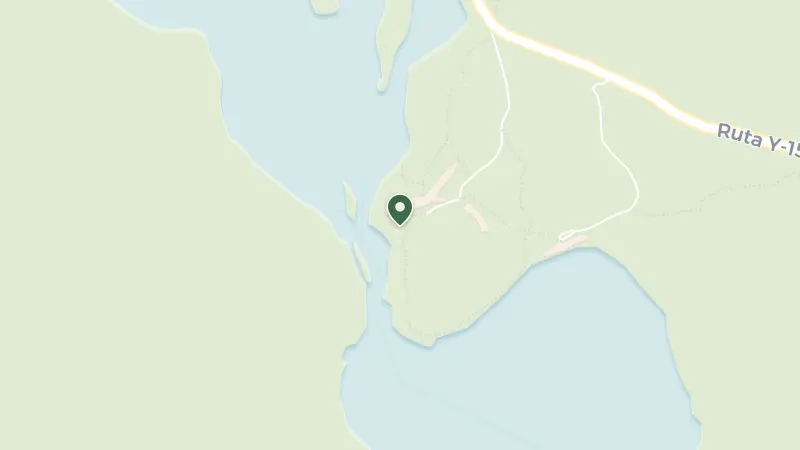
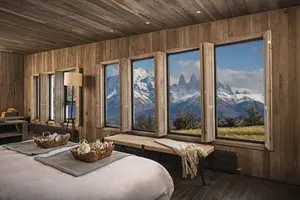
This is Patagonia at its most elemental. The landscape here, in the Chilean half of this vast southern territory, is one of unrelenting wind, fractured granite, and ice-carved valleys where glaciers still calve into milky turquoise lakes. The Andes taper to jagged spires, their silhouettes stark against skies that shift from crystalline blue to bruised grey within minutes. Patagonia spans both Chile and Argentina, a region defined more by geology than borders: the Pacific's fjords and temperate rainforests to the west, steppes and tablelands stretching east toward the Atlantic. The northern edge of Chilean Patagonia is often placed at the Huincul Fault in Araucanía, though the region resists tidy cartography.
The property sits near Hostería Pehoé, a landscape shaped by the slow violence of ice and time. Waterfalls spill from ridges just metres from the grounds; Salto Grande, five and a half kilometres away, thunders where Lake Nordenskjöld drains into the Paine River. The air smells of wet stone and cold earth, the sound of wind constant, the light so pure it renders every distant massif in sharp relief.
Lieutenant Julio Gallardo Airport lies 69 kilometres northeast in Puerto Natales, the gateway town for most arrivals. El Calafate airport in Argentina, 114 kilometres east, serves those crossing the border from that side of the Andes.
Explora Patagonia exists for exploration, and the property's excursions fan out into Torres del Paine National Park, 22 kilometres north, where the park's namesake towers of granite rise like broken teeth above glacial moraine. Trails thread through lenga forests and across suspension bridges, past lakes the colour of antifreeze. Salto Grande is an easy objective, the falls accessible via a short walk from the trail system. Farther out, Cascada del Paine and Cascada Pingo tumble from ridges 18 and 24 kilometres distant, respectively, their mist visible long before you hear the roar.
The excursions are guided, half-day or full-day affairs that might involve trekking to the base of the towers, kayaking on Grey Lake beneath the glacier, or horseback riding across the steppe where guanacos graze in loose herds. Start with the lower valleys if you're acclimatising, then push for the alpine viewpoints once your lungs adjust to the thin air and relentless climbs. Dinner back at the property is communal, a single nightly menu that draws on Patagonian lamb and foraged ingredients, served with Chilean wines from farther north.
Summer, December through February, brings the longest light and the mildest temperatures, highs near 11°C, though the wind never stops and rain falls with little warning. This is the season when trails are most accessible, the steppe briefly green, wildflowers scattered across the valleys. Autumn, March into May, sees sharper air and earlier darkness, temperatures dropping fast after April, the beech forests turning ochre and rust before the leaves blow east across the plains.
Winter, June through August, is brutal: sub-zero temperatures, snow closing higher passes, the wind so fierce it can knock you sideways. Only the most committed travellers come now, rewarded with empty trails and the stark beauty of a land locked in frost. Spring, September through November, is unpredictable, oscillating between sudden warmth and bitter cold, but the ice begins its retreat and the first lambs appear on the ranches.
Frequently Asked Questions

Quotes are personally reviewed by Natasha Hardy, founder of The Uncommon Traveller
5.0 rating · 8 Google reviewsThere is no fee or markup. The hotel pays our commission.
Request a Quote