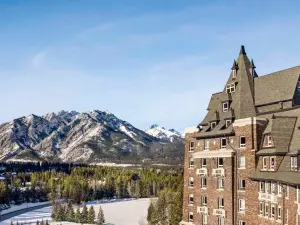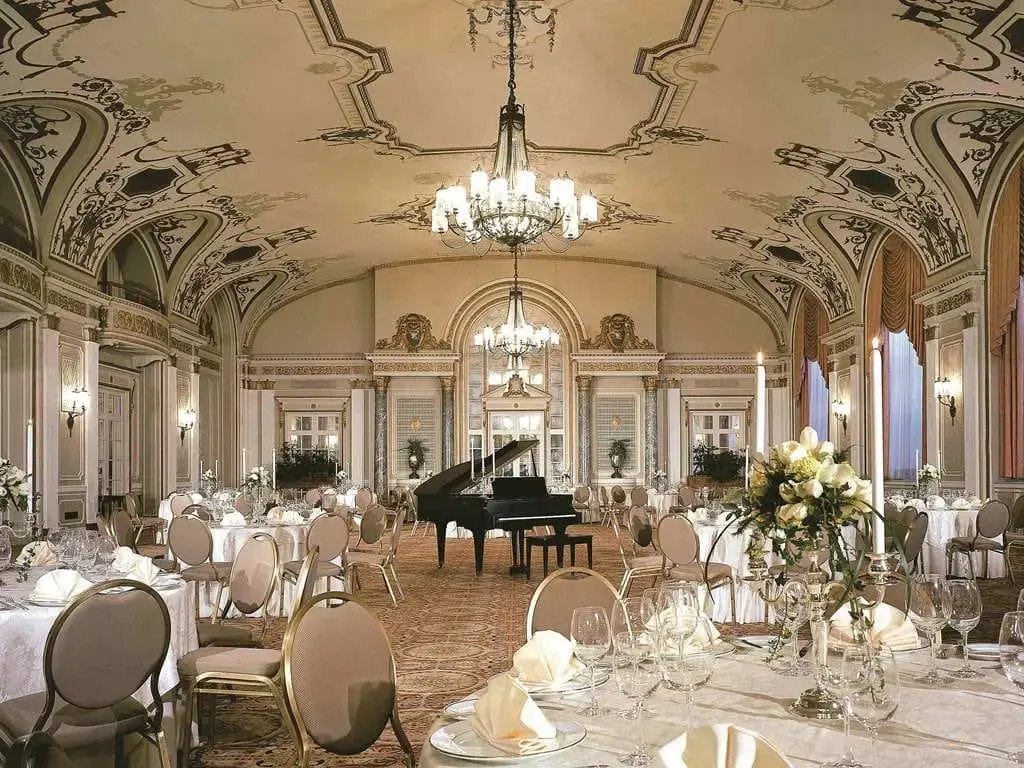
Fairmont Chateau Laurier
When you book Fairmont Chateau Laurier in Ottawa, Canada, through our Accor Hera partnership, your stay includes daily breakfast for two and a $100 USD hotel credit. You also receive a room upgrade, early check-in and late check-out when available. You continue earning ALL Accor points and elite night credits. No premium credit card or membership needed: request a quote and our advisor books it at the same rate as booking direct.
Exclusive Booking Perks
These perks are included with your stay at the same rate as booking direct with the hotel.
- Daily complimentary breakfast for 2, per room
- $100 USD credit to be spent on property (conditions defined at check-in)
- Early check-in & late check-out (upon availability)
- Upgrade at time of check-in (upon availability)
Guest feedback
8.6/10 from 409 guest reviews
By category
Guests liked
- Great location
- Friendly staff
Points to consider
- Cleanliness issues
- Room size discrepancies
Location
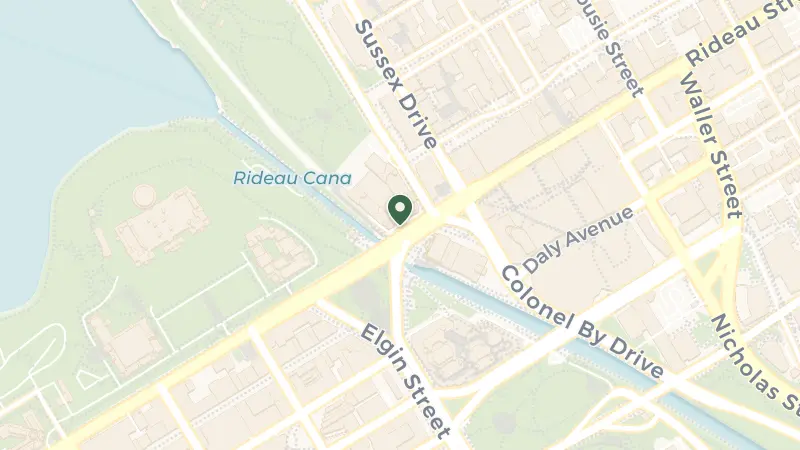
Fairmont anchors its presence in landmark buildings where history and ceremony converge, and few properties embody that legacy more completely than the Chateau Laurier. Ottawa itself unfolds along the Ottawa River at its confluence with the Rideau Canal, a UNESCO-listed waterway engineered in the 1820s as a strategic military route. The capital's character is ceremonial yet approachable: Parliament Hill rises just west of the hotel, its Gothic Revival silhouette defining the skyline, while the ByWard Market spills across the blocks immediately adjacent, a district where produce vendors and flower stalls have occupied George and York streets since the mid-19th century. This is Lowertown, the commercial heart of historic Ottawa, where cobblestones meet canal locks and the rhythm of government business shares space with the clatter of market carts.
The sensory feel here shifts with the season: winter air carries the clean bite of snow and the hiss of skate blades on the frozen canal, summer brings the scent of fresh herbs from market stalls and the low hum of bicycle traffic along the water. Sussex Drive curves past embassies and the prime minister's residence to the north; Rideau Street runs south toward the locks where the canal meets the river. The neighbourhood is compact, walkable, and unapologetically central.
Ottawa Macdonald-Cartier International Airport lies twelve kilometres southeast, a twenty-minute drive that traces the curve of the Rideau River into the downtown core.
The ByWard Market is steps from the property: wander the open-air stalls for Ontario peaches in late summer, Quebec cheeses year-round, and handmade soaps alongside cut flowers. The market's interior pavilions shelter specialty butchers, fishmongers, and vendors selling BeaverTails, the flat fried pastry dusted with cinnamon sugar that has become a local fixture since the 1970s. Start with a morning coffee at one of the market's café terraces, then walk west to the Rideau Canal locks, where stone chambers step down to the Ottawa River and interpretive plaques detail the engineering feat that joined Kingston to the capital. The canal freezes solid in winter, transforming into the world's largest skating rink, a seven-kilometre stretch where commuters glide past snowbanks with paper cups of hot chocolate.
Rideau Falls crashes through a limestone cleft less than two kilometres northeast, a twin curtain of water framed by parkland and the Gothic spires of a riverside chapel. Book a table at one of the market's bistros for poutine with squeaky curds and rich gravy, or venture slightly farther afield to explore the museum district along Sussex Drive, where the National Gallery's glass-and-granite façade houses the country's foremost art collection. Westboro Beach, a six-kilometre journey along the Ottawa River Pathway, offers sand and open water in summer; in winter, skiers head to Camp Fortune, fifteen kilometres into the Gatineau Hills.
Winter arrives with conviction: January temperatures drop well below freezing, transforming the canal into a skating corridor and draping Parliament Hill in snow. The light is sharp and low, the air dry enough to crackle, and the city leans into the cold with outdoor markets selling woolen mittens and mulled cider. This is when Ottawa feels most itself, bundled and purposeful.
Spring thaws slowly, April rains washing the last ice from the locks and coaxing tulips from the beds around Major's Hill Park. May warms the terraces, and by June the market bursts with Ontario strawberries and the evenings stretch past nine. Summer peaks in July with balmy nights and long daylight, though afternoon thunderstorms roll through with sudden force.
Autumn is brief but vivid: September brings cool mornings and the maples flanking the canal turn scarlet and gold, the best conditions for walking the river pathways before November rains usher in the freeze.
Frequently Asked Questions

Quotes are personally reviewed by Natasha Hardy, founder of The Uncommon Traveller
5.0 rating · 8 Google reviewsThere is no fee or markup. The hotel pays our commission.
Request a Quote