Fairmont Empress
When you book Fairmont Empress in Victoria, Canada, through our Accor Hera partnership, your stay includes daily breakfast for two and a hotel credit of USD 100. You also receive a room upgrade, early check-in and late check-out when available. You continue earning ALL Accor points and elite night credits. No premium credit card or membership needed: request a quote and our advisor books it at the same rate as booking direct.
Exclusive Booking Perks
These perks are included with your stay at the same rate as booking direct with the hotel.
- Daily complimentary breakfast for 2, per room
- VIP Welcome
- USD 100 credit to be spent on property (conditions defined at check-in)
- Early check-in & late check-out (upon availability)
- Upgrade at time of check-in (upon availability)
Guest feedback
8.9/10 from 2,126 guest reviews
By category
Guests liked
- Friendly staff
- Great location
- Beautiful grounds
Points to consider
- Plumbing issues
- Insects in bathroom
- Confusing elevator system
Location
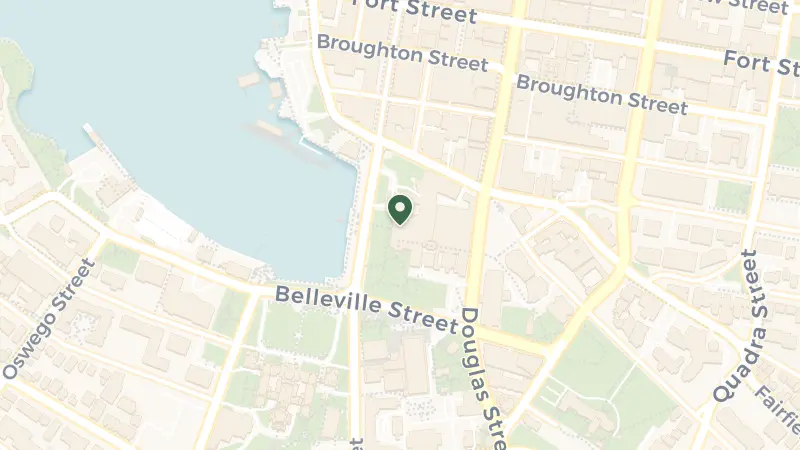
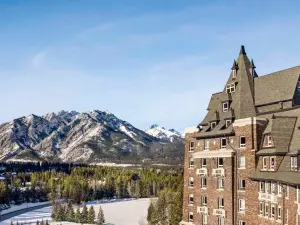
Fairmont operates landmark properties across continents, many occupying historic buildings with architectural gravity and urban presence. The Empress, built in 1908, stands as one such legacy: a grand Edwardian structure overlooking Victoria's Inner Harbour, with a reputation that preceded modern hospitality brands by decades. The hotel carries the weight of a century's worth of guests, from royalty to heads of state, and remains a fixture in the city's visual identity.
Victoria sits at the southern tip of Vancouver Island, separated from the mainland by the Strait of Georgia and from Washington State by the Strait of Juan de Fuca. Founded in 1849 as a Hudson's Bay Company trading post, the city became the colonial capital of British Columbia and retains a distinct anglophile character: afternoon tea culture, heritage streetlamps, and a slower pace than Vancouver across the water. The Inner Harbour forms the civic heart, with the British Columbia Parliament Buildings and Royal BC Museum flanking the waterfront. The air carries salt and kelp, and the streets around Government and Douglas are lined with low-rise heritage buildings housing independent bookshops and chocolatiers.
Victoria International Airport lies 25 kilometres north. Floatplanes from Vancouver land in the harbour itself, a ten-minute walk from the hotel. The harbour seawalk connects the property to James Bay and Fisherman's Wharf, where houseboat studios bob in primary colours.
The harbour seawalk leads west to Fisherman's Wharf, a working marina where you can buy spot prawns off the boats and watch harbour seals beg for scraps. Three hundred metres east, the Royal BC Museum holds one of the continent's finest collections of Pacific Northwest Coast Indigenous art, including full-scale longhouses and centuries-old totem poles. The BC Parliament Buildings, designed by Francis Rattenbury in 1897, offer free public tours through legislative chambers lined with stained glass and marble. Book a table at the hotel's Q Bar for afternoon tea, a local ritual that draws Victorians as much as visitors. The Moss Street Farmers Market, 1.6 kilometres northeast in Fairfield, runs Saturday mornings from May through October: vendors sell Salt Spring Island cheeses, Cowichan Valley lamb, and foraged chanterelles.
The Strait of Juan de Fuca shapes the local palate. Spot prawns, Dungeness crab, and Pacific halibut appear on menus across downtown, often caught within sight of the city. Ogden Point, 1.4 kilometres south, extends a kilometre-long breakwater into open water; divers explore kelp forests and octopus dens in the cold, clear Pacific. Matson Conservation Area, 2.2 kilometres northwest, protects Garry oak meadows and rocky shorelines where black oystercatchers nest. Church and State Wines, 16.5 kilometres north in the Saanich Peninsula, pours cool-climate reds and whites in a converted chicken barn.
Summer, from late June through August, brings the driest months: highs in the low twenties, crystalline light that stretches past nine o'clock, and near-zero rain in July. Locals crowd the patios along Government Street, and the harbour fills with kayakers and floatplanes. This is peak season for whale-watching and cycling the Galloping Goose Trail.
Autumn shifts quickly. By October, rain returns in earnest, and the city empties of tourists. The Inner Harbour takes on a moody, pewter quality; café windows fog with condensation. Winter, from November through February, is mild but sodden, with temperatures rarely dropping below freezing but rain falling most days. The city feels introspective, wrapped in mist and early darkness.
Spring arrives slowly. March and April remain wet, but by May the rain eases and the city greens dramatically. Cherry blossoms and magnolias erupt across residential streets, and the light takes on a soft, northern clarity. Late spring, from mid-May to early June, offers the best balance: warm days, long evenings, and fewer crowds than high summer.
Frequently Asked Questions

Quotes are personally reviewed by Natasha Hardy, founder of The Uncommon Traveller
5.0 rating · 8 Google reviewsThere is no fee or markup. The hotel pays our commission.
Request a Quote