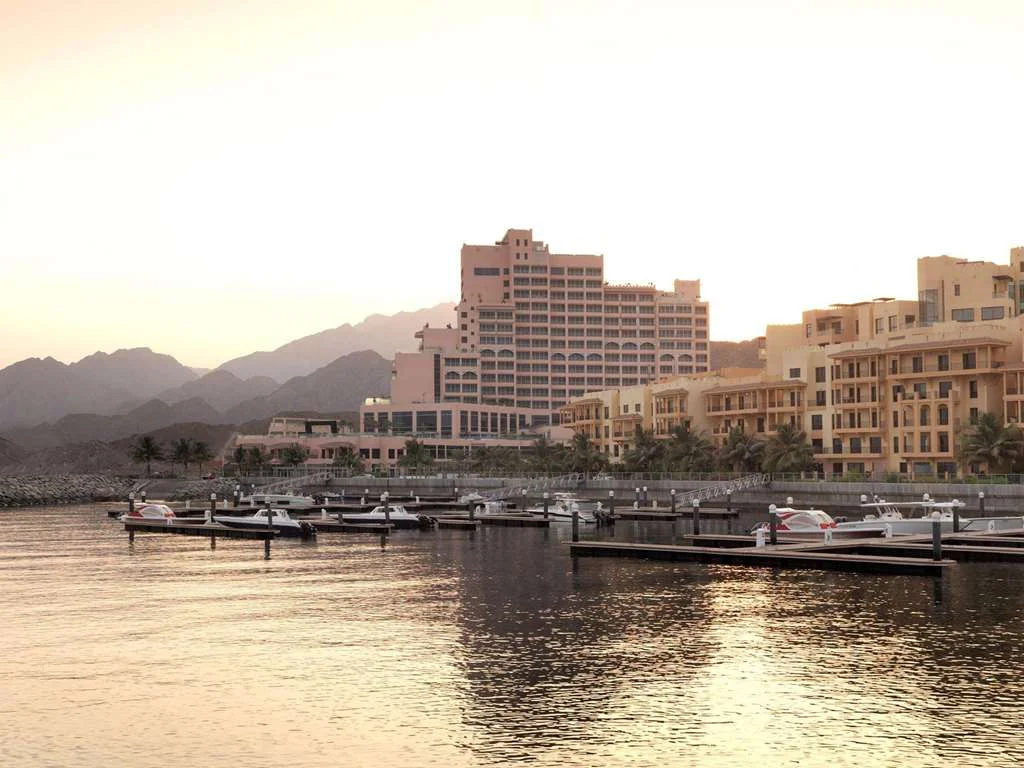
Fairmont Fujairah Beach Resort
When you book Fairmont Fujairah Beach Resort in the UAE through our Accor Hera partnership, your stay includes daily breakfast for two and a $100 USD hotel credit. You also receive a room upgrade, early check-in and late check-out when available. You continue earning ALL Accor points and elite night credits. No premium credit card or membership needed: request a quote and our advisor books it at the same rate as booking direct.
Exclusive Booking Perks
These perks are included with your stay at the same rate as booking direct with the hotel.
- Daily complimentary breakfast for 2, per room
- $100 USD credit to be spent on property (conditions defined at check-in)
- Early check-in & late check-out (upon availability)
- Upgrade at time of check-in (upon availability)
Location
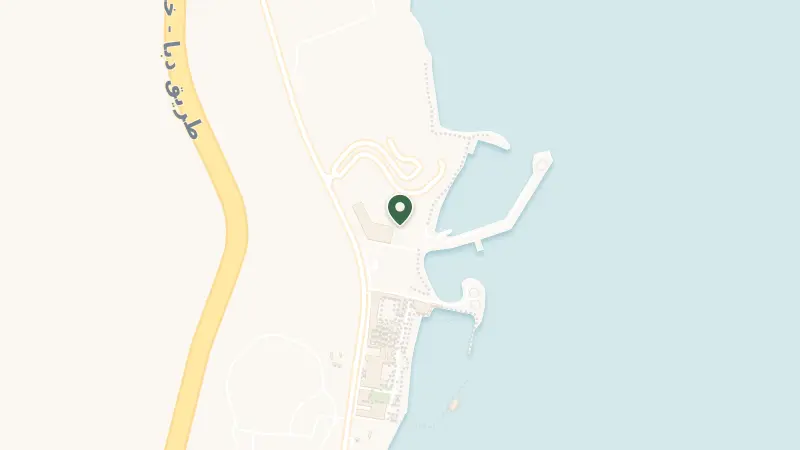
Fairmont brings its legacy of landmark hospitality to Fujairah, the UAE's sole emirate on the Gulf of Oman. Where Dubai glitters with vertical ambition, Fujairah turns its gaze to the Hajar Mountains and a coastline unmarred by excessive development. The property sits along a stretch of shoreline where date palms meet coral reefs, and the rhythm follows fishing boats rather than nightclub hours.
Al Fiqait occupies a quiet pocket of coast where the drama lies offshore. Dibba Rock, a submerged outcrop two kilometres from the hotel, draws divers to walls thick with soft coral and blacktip reef sharks. Just beyond, Snoopy Island's cartoon-like silhouette marks one of the emirate's most photographed dive sites, roughly ten kilometres north. The mountains rise abruptly inland, their wadis (dry riverbeds) transformed by winter rains into temporary waterfalls.
Ras Al Khaimah International Airport lies 42 kilometres southwest, the most practical gateway. Fujairah International, though closer at 53 kilometres, serves fewer international routes. Most arrivals drive from Dubai, a 90-minute journey that trades skyscrapers for frankincense-scented souks and a coastline that still feels genuinely remote.
The Gulf of Oman delivers some of the Arabian Peninsula's clearest diving. Book a morning departure to Dibba Rock, where visibility routinely exceeds 15 metres and the reef drops to 25. Whale sharks pass through between April and June; year-round residents include moray eels coiled in crevices and schools of barracuda. Snoopy Island, ten kilometres up the coast, offers shallower dives suitable for beginners, its namesake rock formation a natural amphitheatre for snappers and butterflyfish. Al Boom Diving, nine kilometres south, runs daily excursions and PADI certification courses.
Inland, Wadi Wurayah Waterfall sits 23 kilometres into the mountains, accessible via a rocky trail that requires sturdy footwear and an early start before midday heat. The wadi system, now a protected reserve, sustains Arabian toads and the occasional Arabian leopard, though sightings remain rare. Faya Palaeolandscape, 79 kilometres inland, preserves Middle Palaeolithic settlements spanning 200,000 years, though site access requires advance coordination with local authorities and a guide familiar with the terrain.
November through March delivers the coastal sweet spot: daytime highs in the low-to-mid twenties, evenings cool enough for terrace dining without the oppressive humidity that defines summer. The light turns golden by late afternoon, and the Gulf of Oman calms to near-mirror stillness. February sees the least rain, though winter showers occasionally green the wadis and fill temporary pools in the mountains.
April and October bracket the extremes. Spring heats rapidly, crossing 30°C by mid-April, but the sea remains diveable and mornings stay comfortable. October reverses the equation, gradually releasing summer's grip while water temperatures linger near 30°C, ideal for extended snorkelling.
June through September punishes the unprepared. Temperatures breach 38°C, the air thickens with humidity, and outdoor activity retreats to dawn and dusk. Locals take their summer holidays elsewhere. Divers committed to off-season tranquillity find uncrowded reefs, but even early-morning excursions demand aggressive hydration and sunscreen reapplication.
Frequently Asked Questions

Quotes are personally reviewed by Natasha Hardy, founder of The Uncommon Traveller
5.0 rating · 8 Google reviewsThere is no fee or markup. The hotel pays our commission.
Request a Quote