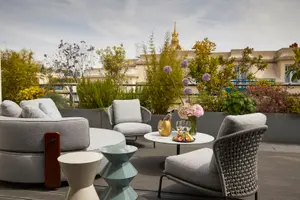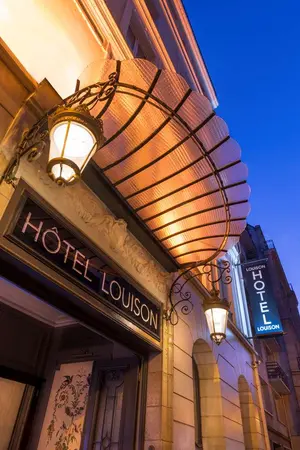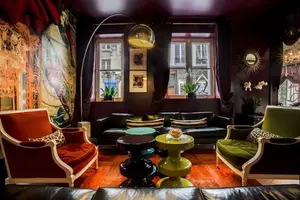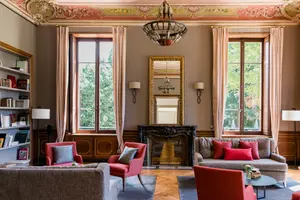
Grands Boulevards Experimental
When you book Grands Boulevards Experimental in Paris, France, through our Tablet Plus partnership, your stay includes daily breakfast for up to two guests and a welcome gift. You also receive a one-category room upgrade when available. No premium credit card or membership needed: request a quote and our advisor books it at the same rate as booking direct.
Exclusive Booking Perks
These perks are included with your stay at the same rate as booking direct with the hotel.
- Upgrade to next room category, based upon availability at check-in
- Complimentary welcome drink per guest, per stay (max 2 guests)
- Complimentary daily breakfast (max 2 guests)
- Complimentary welcome gift on arrival
Guest feedback
Based on 113 guest reviews
By category
Guests liked
- Great staff
- Excellent location
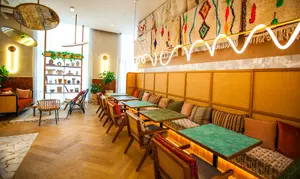
- Cozy atmosphere
Points to consider
- Issues with cleanliness
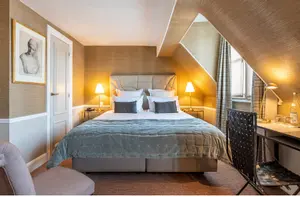
- Small room sizes
Location
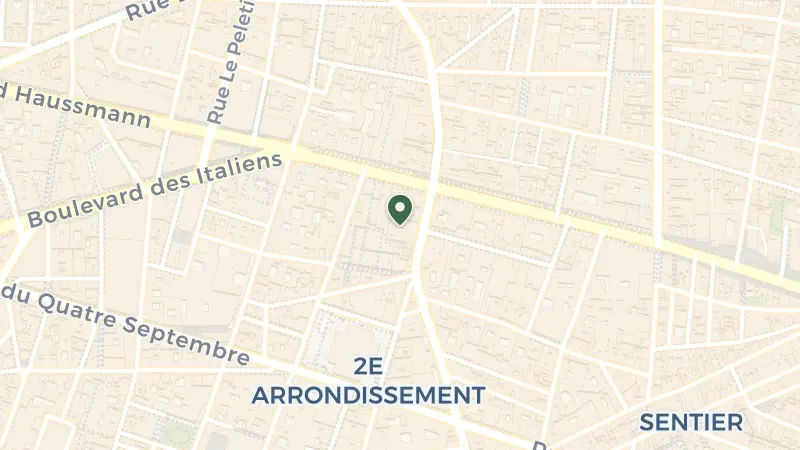
The Experimental Group brought its cocktail-forward hospitality to the 2nd arrondissement, an unfairly overlooked wedge of Paris where the city's 19th-century commercial pulse still hums beneath a patina of belle époque glass and iron. This is the territory of the Grands Boulevards, those wide tree-lined arteries carved out during Haussmann's renovation, now lined with theatres, brasseries, and covered passages that predate the department store. The hotel claims a slice of this history on Rue de la Bourse, a short walk from the neoclassical colonnades of the old stock exchange and the tangle of arcades that thread through the neighbourhood like a secret pedestrian network.
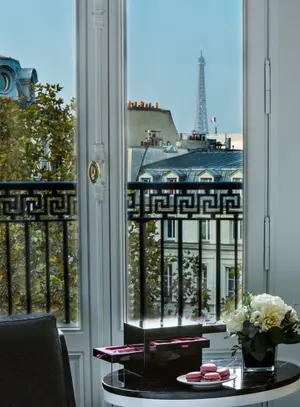
Step outside and you're in the thick of a working district that never fully surrendered to tourism. The Passage des Panoramas, one of Paris's oldest covered arcades, runs just steps away, its mosaic floors and shopfronts unchanged since the 1830s. Marché Bourse, a traditional covered market, sits two blocks north. The Seine's right bank and the Louvre lie two kilometres south, the evolving quartier of Les Halles less than a kilometre east. This is a neighbourhood defined by its commercial bones and its refusal to perform Parisian clichés, though the UNESCO-listed Seine riverbanks and their monumental procession from Eiffel Tower to Notre-Dame remain within easy reach.
Charles de Gaulle Airport sits 22 kilometres northeast via RER Line B or taxi, Orly 16 kilometres south. The Art Nouveau gates of the Métro deposit arrivals at Bourse or Grands Boulevards stations within minutes.
The hotel anchors itself in a neighbourhood rich with culinary distinction. Kei, just seven hundred metres away, holds three Michelin stars for Kei Kobayashi's refined modern cooking, a synthesis of French technique and Japanese precision. Plénitude at Cheval Blanc Paris, 1.3 kilometres south, offers another three-star experience under Arnaud Donckele, whose coastal sensibility translates to dishes of remarkable delicacy. For a meal steeped in history, Alléno Paris au Pavillon Ledoyen overlooks the Jardins des Champs-Élysées two kilometres west, its dining room a monument to French gastronomy. Book a table at Kei well in advance; its intimate scale and exacting standards mean availability vanishes quickly.
The covered passages of the surrounding arrondissements reward aimless wandering: glass-roofed galleries lined with antiquarian bookshops, stamp dealers, and tea salons unchanged since the Second Empire. Marché Saint-Honoré, less than a kilometre away, brings together neighbourhood vendors and prepared food stalls beneath a modern structure. The Louvre's collection spans millennia, but the lesser-known Musée de la Serrure celebrates the art of locksmithing, a quiet counterpoint to the city's monumental museums.
Spring arrives in fits, March mornings still sharp at three degrees but afternoons stretching into double digits. By May the chestnut candles bloom along the boulevards and café terraces fill with that particular Parisian slowness, temperatures climbing towards eighteen degrees. Summer is brief and perfect. July and August hover in the low twenties, the city half-emptied by August holidays, light stretching past ten in the evening. This is the season for river walks and market picnics, though expect sudden downpours in June.
Autumn brings a bronze light that photographers prize, September still warm at 22 degrees before October's chill returns. The covered passages become refuges again, their glass roofs filtering grey skies into something softer. Winter is lean and damp, December temperatures dropping near freezing, but the Grands Boulevards' theatres glow and brasseries steam their windows opaque. Paris earns its reputation in autumn and spring when the light slants low and the city feels less like a postcard, more like a place where people actually live.
Frequently Asked Questions

Quotes are personally reviewed by Natasha Hardy, founder of The Uncommon Traveller
5.0 rating · 8 Google reviewsThere is no fee or markup. The hotel pays our commission.
Request a Quote 47 Bib Gourmand