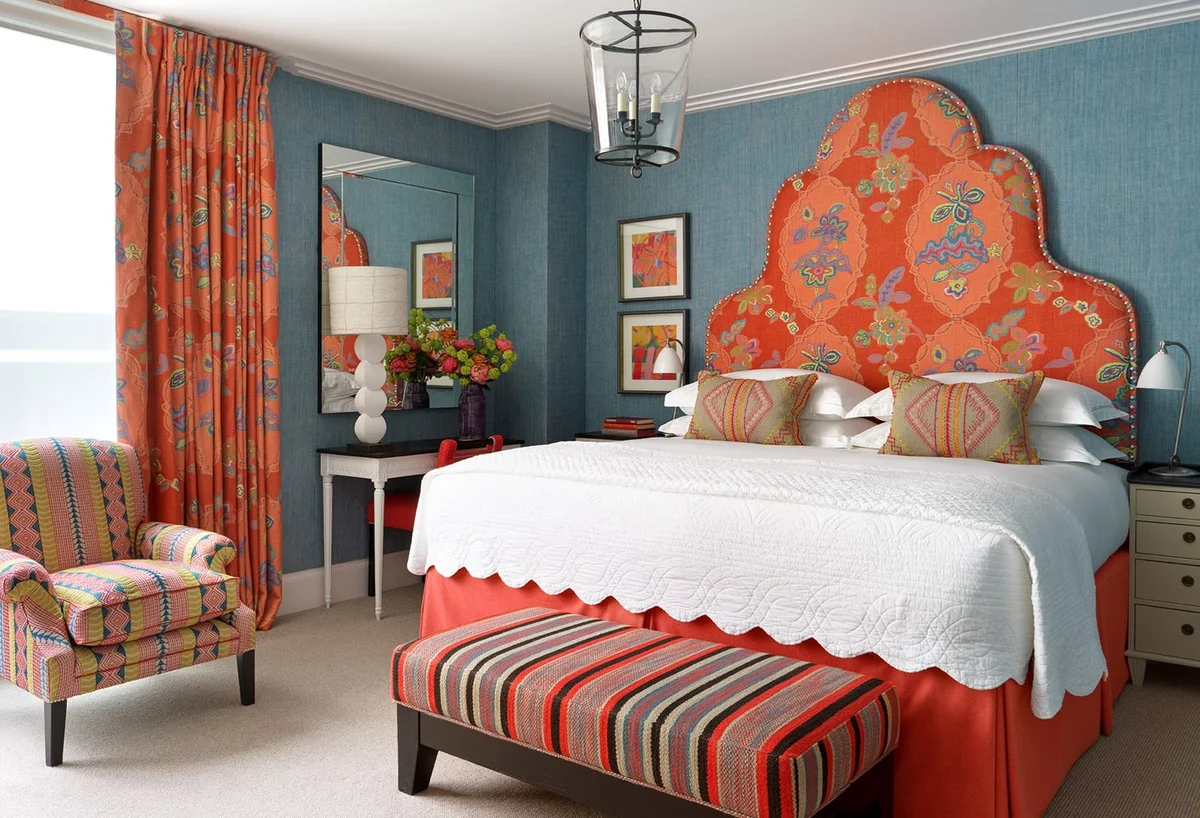
Ham Yard Residences
When you book Ham Yard Residences in London, England, through our Enhanced Rates partnership, your stay includes breakfast, a $100 food and beverage credit and a welcome amenity. You also receive early check-in and late check-out when available. No premium credit card or membership needed: request a quote and our advisor books it at the same rate as booking direct.
Exclusive Booking Perks
These perks are included with your stay at the same rate as booking direct with the hotel.
- $100 food & beverage credit
- Complimentary breakfast
- Welcome amenity upon arrival
- Early check-in / late check-out (subject to availability)
Location
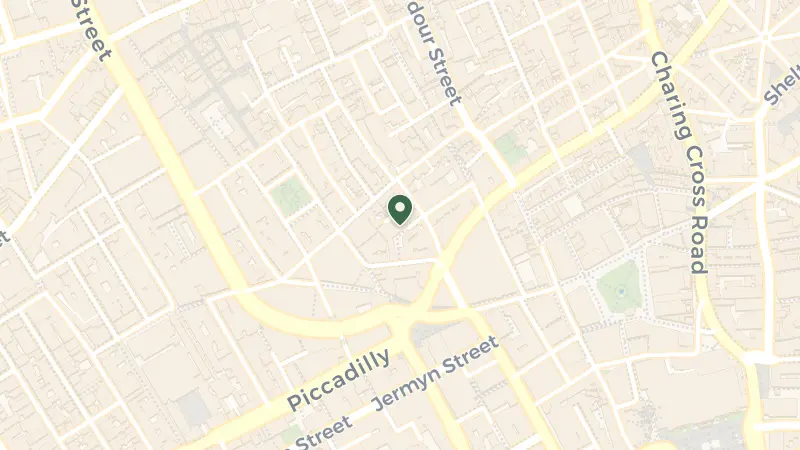
Ham Yard Residences occupies a corner of Soho where the district's dual nature, refined and raucous, plays out in real time. This is the Soho that spills from theatre doors after curtain call, that queues outside record shops on Saturday mornings, that fills pavement tables at lunch and empties into members' clubs by midnight. The streets here retain their 17th-century irregularity, the grid refusing to conform, while Soho Square, laid out in the 1680s, offers a rare pocket of green amid the density.
St Anne's Church rises a few streets over, its tower a reminder of the parish's late-17th-century origins when this was newly fashionable ground for the aristocracy. That elegance persists in the architecture, even as the ground floors have turned to restaurants, galleries, and independent cinemas. Walk in any direction and you encounter layers: Chinatown's lanterns to the south, the tailors of Savile Row to the west, the British Museum's colonnades a kilometre north.
The neighbourhood hums at all hours, though never quite tips into chaos. London City Airport lies thirteen kilometres east; Heathrow, twenty-three kilometres west. Both connect via the Tube, which deposits arrivals into the heart of the West End within the hour, trading motorway monotony for the jolt of central London's packed streets and sudden vistas.
Three-Michelin-starred dining surrounds this corner of the West End, with Pierre Gagnaire's exuberant French cooking at Sketch, The Lecture Room and Library just 500 metres north, where 18th-century grandeur meets playful contemporary art. Hélène Darroze's wood-panelled sanctuary at The Connaught, one kilometre northwest, serves deeply personal French cuisine in an unexpectedly intimate setting, while Alain Ducasse at The Dorchester, 1.3 kilometres west, delivers precise, classical technique within Mayfair's most storied hotel. Book a table at any of these months ahead; they represent the pinnacle of London's dining culture. Closer still, Seven Dials Market, 700 metres east, gathers independent food traders under one Victorian-era roof, perfect for grazing Korean fried chicken, Venetian cicchetti, or handmade pasta between theatre matinees.
The Palace of Westminster rises one kilometre south, its neo-Gothic spires rebuilt from 1840 atop medieval foundations that still speak to the seat of English power. Cross Westminster Bridge for the South Bank's riverside walking paths, where secondhand book stalls and street performers animate the Thames's edge. The Tower of London, four kilometres east, preserves William the Conqueror's Norman fortifications, its White Tower still commanding the river nearly a millennium after construction. Start with the Crown Jewels, then trace the fortress walls to grasp how this citadel shaped the kingdom's history.
January through March brings low skies and temperatures hovering just above freezing, the kind of damp cold that seeps through wool. The city feels quieter, theatre matinees fill with locals, and museum galleries empty by late afternoon. Spring light arrives in April, stretching evenings and coaxing pavement tables out of hibernation.
June through August sees London at its warmest, temperatures climbing into the low twenties, parks crowded, and the South Bank alive with outdoor performances. Daylight lingers past nine, and the city adopts a holiday rhythm even midweek. September holds onto summer's warmth while crowds thin, making it the ideal month for gallery openings and unhurried walks.
October cools quickly, the trees in Soho Square turning gold before November's rain strips them bare. December brings early darkness and Christmas lights strung across Regent Street, the cold softened by the glow of shop windows and the promise of warm pubs. Winter here is atmospheric, not punishing, best met with layers and an appetite for indoor pursuits.
Frequently Asked Questions

Quotes are personally reviewed by Natasha Hardy, founder of The Uncommon Traveller
5.0 rating · 8 Google reviewsThere is no fee or markup. The hotel pays our commission.
Request a Quote 54 Bib Gourmand