Hotel Bel-Air - Dorchester Collection
When you book Hotel Bel-Air - Dorchester Collection in Los Angeles, USA, through our Dorchester Diamond Club partnership, your stay includes daily breakfast for two and a hotel credit once per stay. No premium credit card or membership needed: request a quote and our advisor books it at the same rate as booking direct.
Special Offer: 4th night free
4th night free + For stays between now and June 11 and October 25 to December 24
Exclusive Booking Perks
These perks are included with your stay at the same rate as booking direct with the hotel.
- Guestrooms:
- Guaranteed one-category upgrade at time of booking for all room categories, up to Junior Suite category.
- 100-unit credit once during stay (in local currency), applied to guest room folio at time of checkout.
- Complimentary breakfast for two daily, through in-room dining or hotel restaurant
- Junior Suites:
- Same as Guestrooms above, however excluding guaranteed upgrade.
- The upgrade for these will, instead, be subject to availability at time of check-in.
- Suites:
- 100-unit credit daily (in local currency) per guest bedroom, applied to guest room folio at time of checkout.
- Complimentary breakfast for two per suite guest bedroom daily, through in-room dining or hotel restaurant
Guest feedback
9.6/10 from 157 guest reviews
By category
Guests liked
- Exceptional service
- Beautiful location
- Great value for money
Points to consider
- Room facilities need updating
- Pool wellness could be expanded
Location
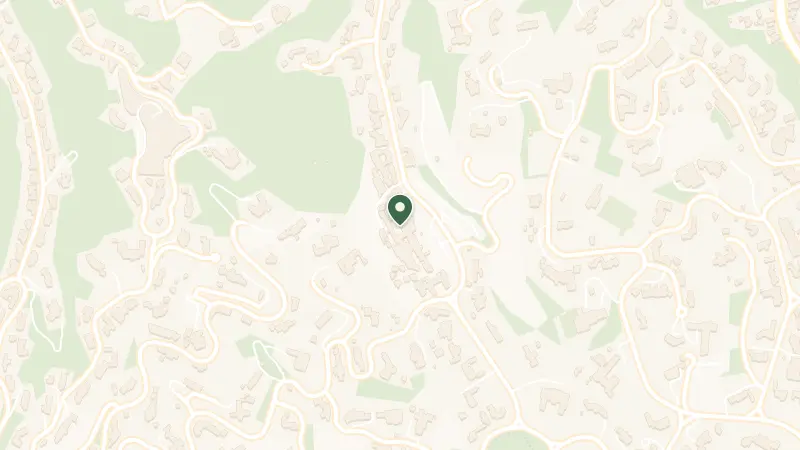
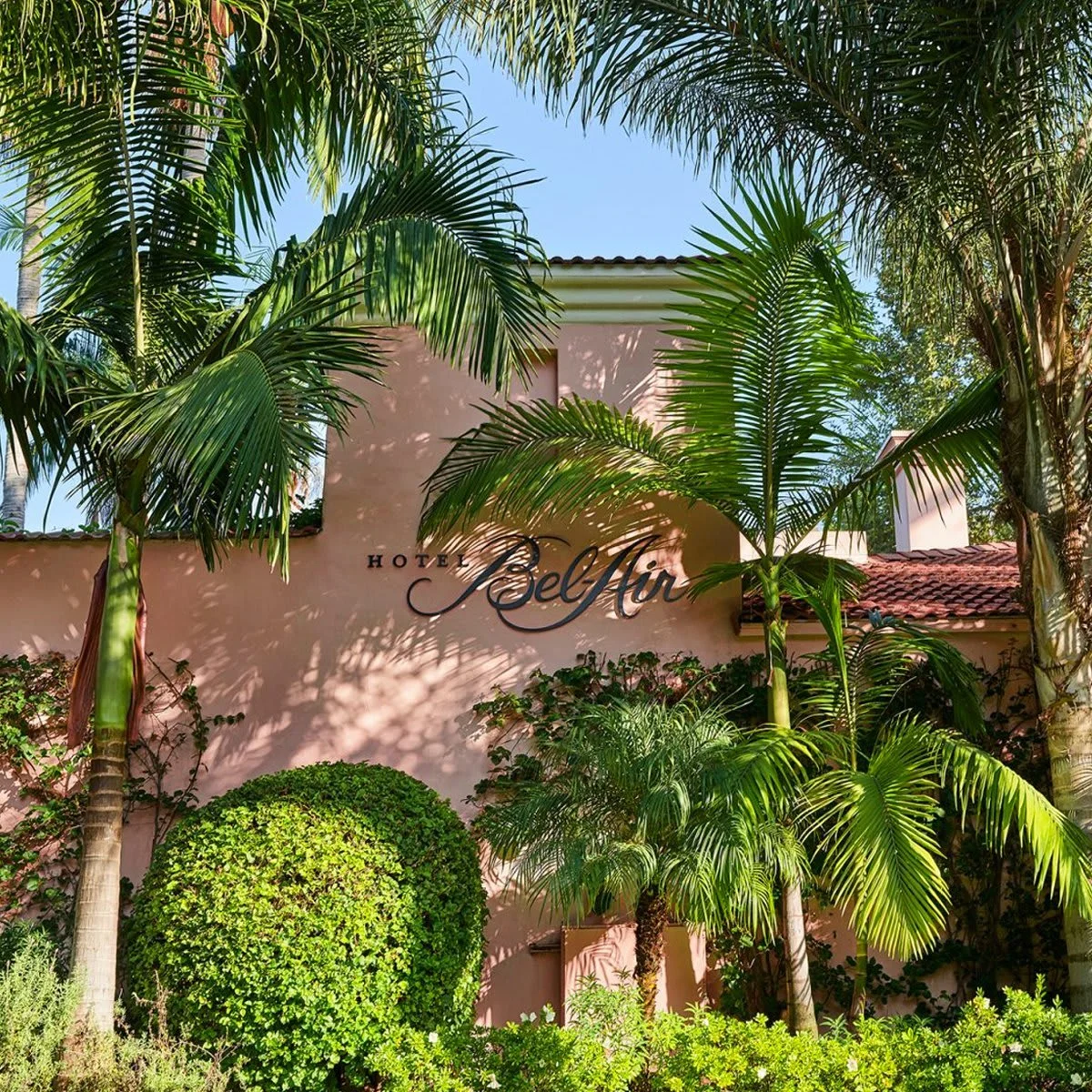
Dorchester Collection's Los Angeles outpost arrives as a distinct vision of California luxury, where the formality of European heritage meets the ease of canyon living. Unlike the portfolio's grand urban landmarks, this property exists on a quieter register, tucked into twelve acres of gardens in a residential enclave north of Sunset Boulevard. The brand's tradition of hosting cultural figures translates here to a discretion that feels particularly Angeleno.
Bel Air itself unfolds as a network of winding roads carved into the Santa Monica foothills, where privacy is the essential currency and neighbours include studio executives, old Hollywood estates, and the occasional glimpse of Brutalist modernism behind hedges. Stone Canyon Road climbs through sycamore shade past gates that reveal nothing. Two kilometres east, the University of California sprawls across Westwood, its Romanesque arches and Royce Hall clock tower anchoring a campus that draws 45,000 students. Westwood Village clusters at the university's southern edge: a Mediterranean Revival shopping district from the 1930s, still recognizable by its Spanish tiles and marquee theatres, though chain retailers have diluted some of its original character.
Bob Hope Airport in Burbank sits fifteen kilometres north through Cahuenga Pass, while LAX spreads sixteen kilometres southwest along the coast. Either airport connects via surface streets or the 405, though traffic in Los Angeles operates on its own taxonomy of delay.
The culinary anchor here is Wolfgang Puck at Hotel Bel-Air, where the Austrian-born chef who redefined California cuisine still oversees a menu that balances market-driven innovation with signatures that span decades. For serious gastronomic ambition, Somni lies 5.3 kilometres east in the SLS Beverly Hills, Chef Aitor Zabala's intimate three-star theatre where a ten-seat counter faces the kitchen and a twenty-course procession draws on Catalan technique and Southern California abundance. Providence, Michael Cimarusti's three-starred seafood temple in Hollywood, sits just under eleven kilometres away, its precision and purity an enduring standard since the restaurant's opening. Book a table at Mélisse in Santa Monica for Josiah Citrin's modern French refinement, an eight-kilometre drive that rewards with polished technique and wine pairings calibrated to each progression.
The Getty Center commands a hilltop 4.5 kilometres west, Richard Meier's travertine acropolis holding European paintings, illuminated manuscripts, and gardens designed by Robert Irwin. Westwood Village Farmers Market gathers produce and prepared foods 2.8 kilometres southeast each Thursday, while trails into Temescal Canyon wind toward waterfalls through coastal sage scrub and oak woodland, an 8.6-kilometre escape into the Santa Monica Mountains.
June through September brings the myth of endless summer to life: skies bleached white by mid-morning, temperatures climbing past thirty degrees, coastal fog burning off by noon. The city empties toward beaches on weekends, and evenings stretch long under jacaranda canopies. October cools slightly but holds onto warmth, the Santa Ana winds arriving from the desert to sharpen the light and strip humidity from the air.
Winter, such as it exists here, means daytime highs near twenty degrees and the possibility of rain between December and March. The hills turn improbably green, bougainvillea blooms against stucco walls, and mornings carry a crispness that fades by lunch. February sees the most precipitation, though even then the sun reasserts itself between storms.
Spring unfolds as the ideal season: warm days in the mid-twenties, wildflowers carpeting the canyons after wet winters, and a clarity to the air that renders the San Gabriel Mountains visible from Westwood. May dries out completely, a prelude to the months of unbroken sun ahead.
Frequently Asked Questions

Quotes are personally reviewed by Natasha Hardy, founder of The Uncommon Traveller
5.0 rating · 8 Google reviewsThere is no fee or markup. The hotel pays our commission.
Request a Quote 45 Bib Gourmand