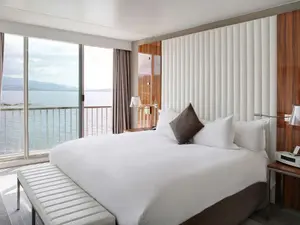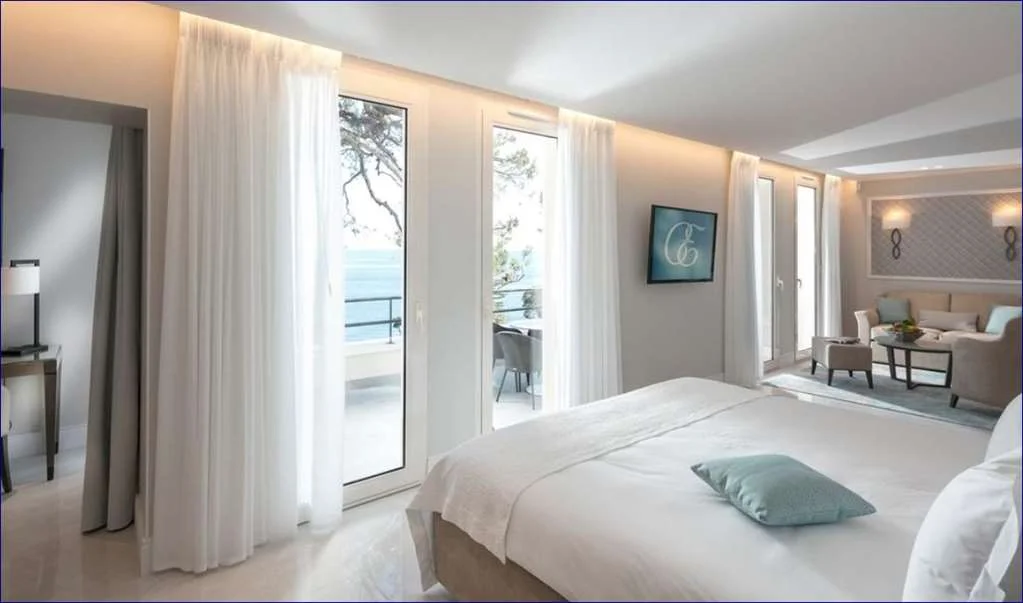
Hôtel Cap-Estel
When you book Hôtel Cap-Estel in South of France, France, through our Virtuoso partnership, your stay includes daily breakfast for up to two guests and a $100 USD resort or hotel credit. You also receive a room upgrade, early check-in and late check-out when available. No premium credit card or membership needed: request a quote and our advisor books it at the same rate as booking direct.
Exclusive Booking Perks
These perks are included with your stay at the same rate as booking direct with the hotel.
- Upgrade on arrival, subject to availability
- Daily Breakfast for up to two guests per bedroom, served in the restaurant and via in-room dining (already included in property rates)
- $100 USD equivalent Resort or Hotel credit to be utilized during stay (not combinable, not valid on room rate, no cash value if not redeemed in full)
- Early Check-In / Late Check-Out, subject to availability
Guest feedback
9.4/10 from 48 guest reviews
Read what guests commentedBy category
Guests liked
- Luxurious hotel experience
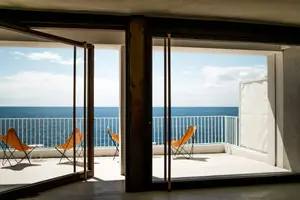
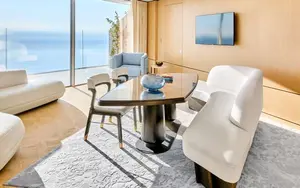
- Incredible ocean views
Location
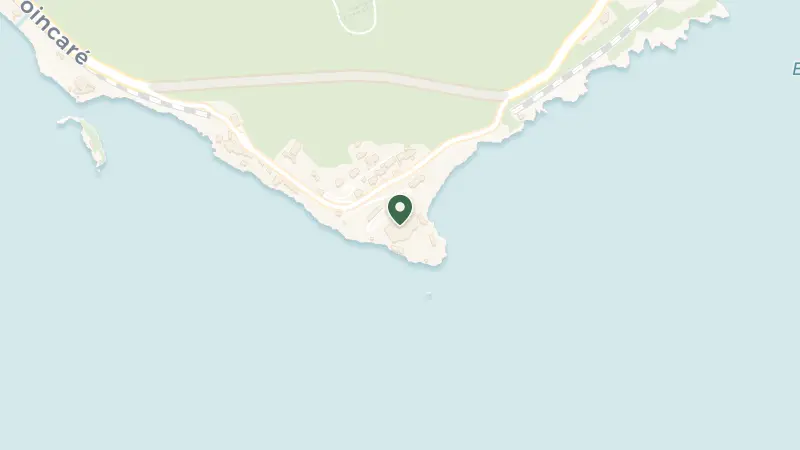
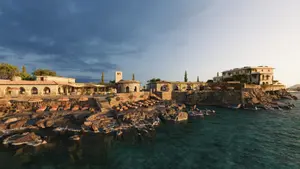
Access to Hôtel Cap-Estel is by discreet gate, then a winding path that draws you away from the clamor of the Côte d'Azur and onto a private peninsula between Nice and Monaco. The hotel occupies one of the most secluded spots on this stretch of coastline, perched atop rocky cliffs where the Mediterranean light shifts from pewter to cobalt depending on the hour. Èze-Bord-de-Mer, the quiet coastal hamlet below the medieval village of Èze, feels removed from the grand boulevard energy of Nice and the casino glitter of Monte-Carlo, yet both are within easy reach.
The neighbourhood itself is barely a neighbourhood at all: a ribbon of coastal road, a handful of villas tucked into the hillside, and a string of pebble beaches where the sea meets limestone outcrops. Eight kilometres west, Nice spreads along the Baie des Anges, its UNESCO-listed Winter Resort Town status a testament to the belle époque palaces and promenades that made this coast synonymous with elegance. To the east, the Italian border curves into view near Menton, where Argentine chef Mauro Colagreco's Mirazur commands its own clifftop vantage.
Nice-Côte d'Azur Airport lies fourteen kilometres west along the coast, connected by taxi or private transfer. The drive traces the Basse Corniche, the lowest of the three serpentine coastal roads, with glimpses of the sea between cypresses and umbrella pines.
La Table du Cap Estel, the property's one-Michelin-starred restaurant, serves modern cuisine on a terrace that juts out over the water. The cooking here respects the arc of the seasons and the proximity of the Mediterranean, with dishes that lean on olive oil, salt-crusted fish, and vegetables from nearby growers. For a more storied table, Le Louis XV at the Hôtel de Paris in Monaco, Alain Ducasse's three-starred temple to Mediterranean and modern cuisine, sits four and a half kilometres east. Book weeks ahead. Mirazur, Colagreco's three-starred creative kitchen on the Italian frontier near Menton, is worth the fifteen-kilometre journey for its cascading gardens and boundary-pushing tasting menus.
The coastline here is all about water and stone. Plage de Saint-Laurent d'Èze curves below the property, a narrow stretch of pebbles less than a kilometre away. Further along, Plage de la Mala tucks into a sheltered cove, the water gin-clear and shallow. The Condamine Market in Monaco, four kilometres distant, fills with vendors hawking Alpine cheeses, Provençal olives, and socca. Start your morning there, then climb to the hilltop village of Èze itself, a medieval knot of cobbled lanes and succulents clinging to vertical gardens, its Jardin Exotique offering vertiginous views over the cape.
Summer on the Côte d'Azur is a study in contrasts: the air shimmers with heat, temperatures climbing into the high twenties in July and August, while the sea turns bathwater-warm and the hillsides bleach to gold. The light is fierce, the sky relentlessly blue, and the beaches fill with bodies. Evenings bring a breath of relief as the mistral stirs the pines.
Spring and autumn soften the edges. May and June offer warm days without the crush, the coastline still green and scented with rosemary and wild thyme. September holds onto summer's warmth while the crowds thin, the sea retaining its heat well into October.
Winter is mild but unpredictable, with daytime highs around eleven to thirteen degrees and occasional rain sweeping in from the west. The light turns pale and silvery, the coast takes on a quieter, more introspective character, and you understand why Nice became a winter refuge for northern Europeans in the first place.
Frequently Asked Questions

Quotes are personally reviewed by Natasha Hardy, founder of The Uncommon Traveller
5.0 rating · 8 Google reviewsThere is no fee or markup. The hotel pays our commission.
Request a Quote 13 Bib Gourmand