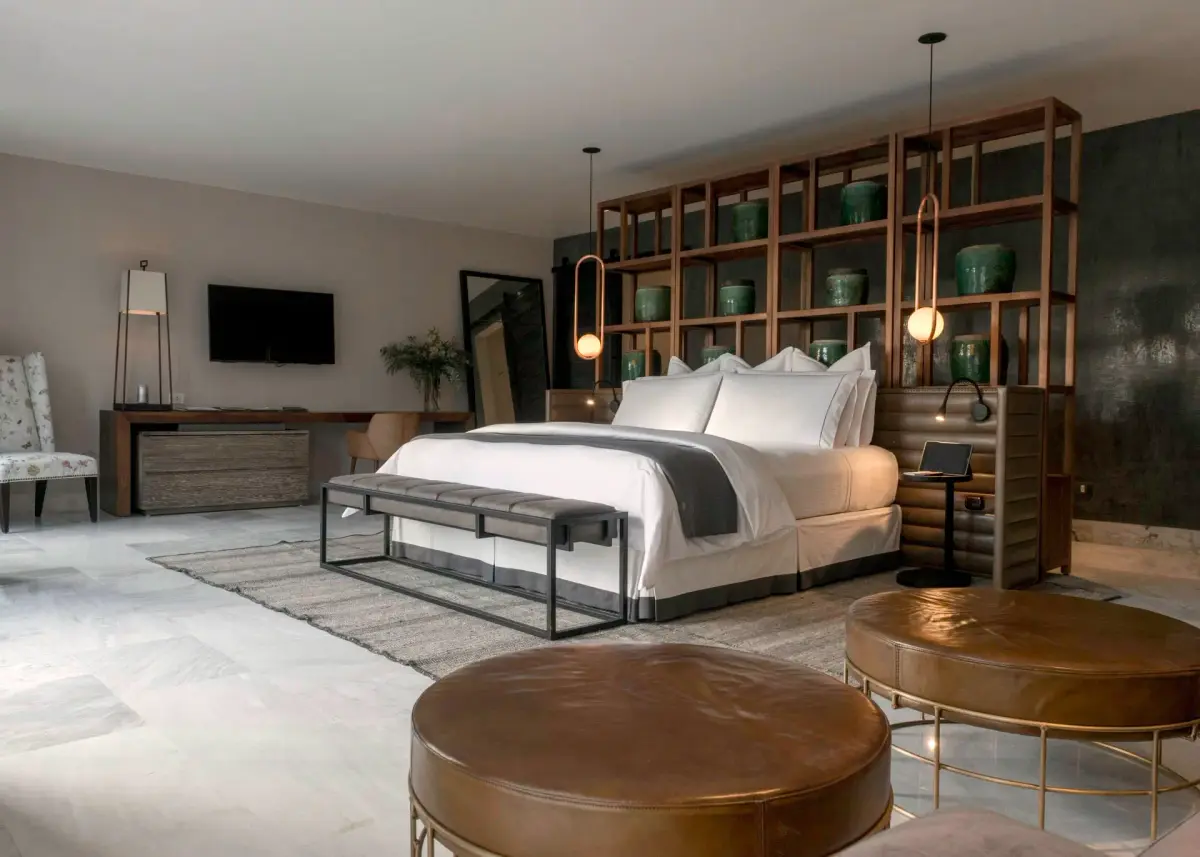
Hotel Matilda
When you book Hotel Matilda in San Miguel de Allende, Mexico, through our Design Hotels Pro partnership, your stay includes daily breakfast for two. No premium credit card or membership needed: request a quote and our advisor books it at the same rate as booking direct.
Exclusive Booking Perks
These perks are included with your stay at the same rate as booking direct with the hotel.
- VIP status
- Daily breakfast for two
- Room upgrade/early check-in/late check-out (subject to availability) For Rooms: Linear Mezcal tasting For Suites: Linear Mezcal tasting and signature cocktail preparation
Guest feedback
9.1/10 from 192 guest reviews
By category
Guests liked
- Excellent service
- Great location
- Comfortable rooms
Location
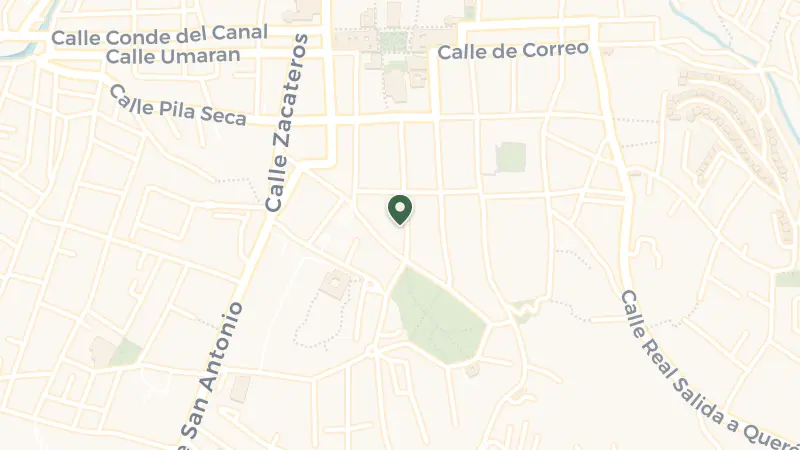
San Miguel de Allende announces itself in rose-tinted stone and the clang of church bells echoing across cobbled plazas. This Baroque jewel of the Bajío, once a fortified waypoint on the Royal Route inland, reached its architectural zenith in the 18th century when silver wealth poured into civic monuments and soaring spires. By the early 1900s, the town nearly succumbed to abandonment after influenza swept through, until foreign artists arrived midcentury and transformed it into a living atelier.
The Instituto Allende and Escuela de Bellas Artes drew painters like David Alfaro Siqueiros and waves of post-war American veterans studying on the G.I. Bill, cementing a creative legacy that persists today. The Zona Centro unfolds around the central plaza where Ignacio Allende, martyr of Mexican Independence, was born in a house that still faces the square.
UNESCO recognition protects the old quarter and the nearby Sanctuary of Jesús Nazareno de Atotonilco, a kilometre south. The town lies 274 kilometres northwest of Mexico City; Querétaro Intercontinental Airport is 66 kilometres southeast, Guanajuato International 77 kilometres west, with ground transport linking both.
Start mornings at Mercado Ignacio Ramírez, seven hundred metres away, where vendors stack nopales and candied calabaza beneath vaulted arches built for a 19th-century convent. The Mercado de Artesanías follows at eight hundred metres, aisles crowded with tin milagros and blown glass. Walk the fortified perimeter of the old quarter, tracing the 16th-century defences erected during the Chichimeca War when indigenous resistance halted Spanish expansion for half a century. Book a table at one of the rooftop terraces overlooking the Parroquia de San Miguel Arcángel, where neo-Gothic spires rise incongruously from a Baroque base.
The Sanctuary of Jesús Nazareno de Atotonilco, a kilometre south, houses frescoes so dense they've earned the nickname "the Sistine Chapel of the Americas." For terroir beyond agave, drive to Cuna de Tierra winery, 35 kilometres northeast in the high plateau vineyards. The hot springs at La Gruta, eleven kilometres out, feed mineral pools carved into rock chambers where steam clings to fern-draped walls.
Winter light slants low and golden from December through February, daytime highs in the low twenties Celsius, nights dipping below ten. Mornings require a shawl in the plazas; afternoons invite open-air lunches under jacaranda shade. March and April warm steadily toward thirty degrees, the stone streets holding heat into evening.
May ushers in the rainy season, afternoon thunderheads gathering over the Sierra de Guanajuato and breaking with theatrical intensity through September. Streets glisten, bougainvillea flares against wet walls, and the Bajío turns improbably green.
October dries out as harvest begins in surrounding fields, temperatures easing back into the mid-twenties. November brings the Days of the Dead processions, marigold petals scattered across cool flagstones under cloudless skies.
Frequently Asked Questions

Quotes are personally reviewed by Natasha Hardy, founder of The Uncommon Traveller
5.0 rating · 8 Google reviewsThere is no fee or markup. The hotel pays our commission.
Request a Quote