
Rosewood San Miguel de Allende
When you book Rosewood San Miguel de Allende in Mexico through our Rosewood Elite partnership, your stay includes daily breakfast for up to two guests and a resort credit of USD 100. No premium credit card or membership needed: request a quote and our advisor books it at the same rate as booking direct. Plus, for a limited time, a complimentary night is included with your stay.
Special Offer: 4th night free
+ 4th night free
Exclusive Booking Perks
These perks are included with your stay at the same rate as booking direct with the hotel.
- USD 100 resort credit
- Daily breakfast for up to two people per bedroom
- Complimentary one-category upgrade at booking or upon arrival (varies by hotel)
- Amenity from property's Managing Director
- Personalized welcome
- Pre-registration prior to arrival
Guest feedback
9.6/10 from 148 guest reviews
Read what guests commentedBy category
Guests liked
- Beautiful property
- Friendly staff
- Great location
Points to consider
- Issues with food service
- Some dissatisfaction with brunch
Location
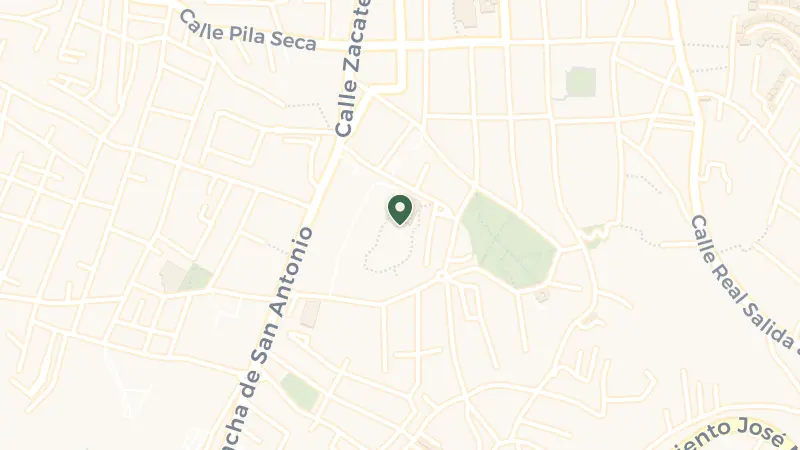
Rosewood properties anchor themselves in the cultural fabric of their cities, drawing on local heritage for architecture, art programmes, and culinary direction. The brand's philosophy centres on residential-style comfort and a restrained approach to luxury that lets the destination speak for itself. In San Miguel de Allende, that means stepping into a town that once stood at the frontier of empire, where 16th-century fortifications gave way to the Baroque and Neoclassical splendour of the 18th century, when wealth from the Royal Route inland transformed adobe into carved cantera stone.
The historic centre, a UNESCO World Heritage Site since 2008, radiates from the Jardín Principal, where the neo-Gothic spires of La Parroquia de San Miguel Arcángel rise above colonial arcades. Cobblestone streets climb toward El Parque, the neighbourhood where bougainvillea spills over ochre walls and iron-studded doors open onto courtyards still cool in the afternoon heat. This is the San Miguel that nearly vanished in the early 20th century, saved by foreign artists who recognised what the influenza pandemic had left behind: a perfectly preserved colonial town waiting to be rediscovered.
The closest international airports sit in Querétaro, 66 kilometres southeast, and Guanajuato, 77 kilometres to the northwest, both reachable by private transfer along highland roads that cut through agave fields and mining towns.
The property's 1826 Restaurant draws its name from the year Ignacio Allende fell to a firing squad, grounding its menu in the Bajío region's culinary traditions. Beyond the hotel, walk eight hundred metres to Mercado de San Juan de Dios, where vendors sell queso de tuna (prickly pear cheese) and pipián sauce ground fresh on volcanic stone. The Mercado Ignacio Ramírez, nine hundred metres away, occupies a former convent cloister where stalls now sell gorditas stuffed with requesón and rajas. The town's artisan tradition persists in workshops along Calle Ancha de San Antonio, where tin smiths hammer out painted mirrors and candlesticks using techniques unchanged since the colonial period.
Drive eleven kilometres north to La Gruta, a network of hot springs fed by thermal aquifers beneath the volcanic highlands, or twenty-three kilometres northwest to Santuario Cañada de la Virgen, a pre-Columbian pyramid complex aligned to solar equinoxes, where guided walks thread through desert scrub. Book a table at one of the town's chef-driven restaurants clustered around the Jardín, where menus lean into heirloom maíz criollo and moles that simmer for days. Five kilometres out, Cava Garambullo and Puente Josefa offer tastings of Guanajuato wines that thrive in the region's mineral soils and high-altitude sun.
January through March bring cool mornings that burn off into crystalline afternoons, temperatures climbing from single digits to the mid-twenties. The light is sharp, cutting shadows across stone façades, and the Jardín fills with locals taking sun on iron benches. This is peak season, when the town hums with cultural festivals and the air carries the scent of orange blossom from courtyard trees.
April and May turn warmer, the heat building toward the first rains in late May. By June, monsoon clouds roll in most afternoons, dropping sudden downpours that leave the cobblestones slick and the desert scrub outside town briefly green. July and August see daily thunderstorms, the kind that send everyone under arcades until the sun breaks through again.
September through December taper back to dry weather, nights cooling into the low teens while days hold steady in the low twenties. October brings Día de los Muertos, when marigold petals carpet the streets and candles flicker in every doorway. This is when San Miguel feels most itself, the foreign art colony absorbed into something older and more enduring.
Frequently Asked Questions

Quotes are personally reviewed by Natasha Hardy, founder of The Uncommon Traveller
5.0 rating · 8 Google reviewsThere is no fee or markup. The hotel pays our commission.
Request a Quote