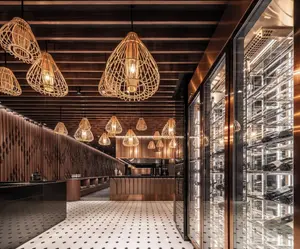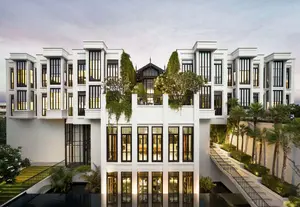
Hyatt Regency Bangkok Sukhumvit
When you book Hyatt Regency Bangkok Sukhumvit in Thailand through our Hyatt Privé partnership, your stay includes daily full breakfast for up to two guests and a property credit. You also receive a priority room upgrade when available. You continue earning World of Hyatt points and elite night credits. No premium credit card or membership needed: request a quote and our advisor books it at the same rate as booking direct.
Exclusive Booking Perks
These perks are included with your stay at the same rate as booking direct with the hotel.
- Welcome amenity provided to guests upon arrival.
- Daily complimentary full breakfast at a hotel restaurant for up to two guests.
- Property credit (value varies by property).
- Priority for room upgrade (response within 24 hours of booking, subject to forecasted occupancy).
- Early check-in/late check-out/connecting rooms (response within 24 hours of request, subject to forecasted occupancy).
Guest feedback
9.4/10 from 1,339 guest reviews
Read what guests commentedBy category
Guests liked
- Excellent service
- Great location
- Modern and clean rooms
Points to consider
- Limited beer selection
- Cold pool
Location
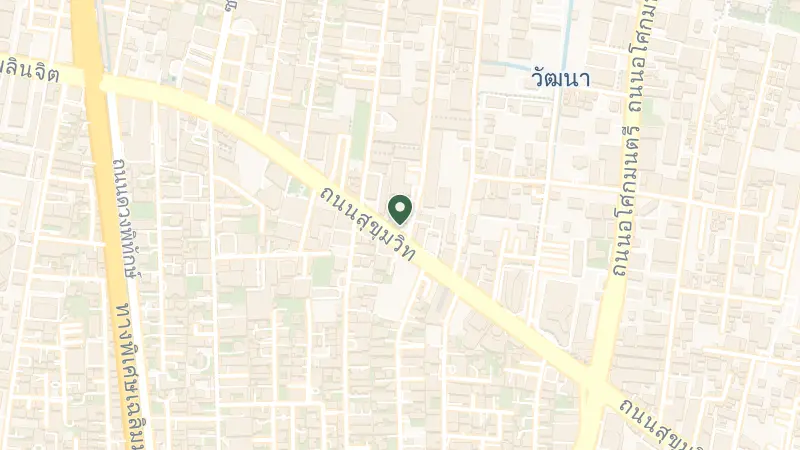
Hyatt operates across a spectrum of service levels and price points, but its loyalty programme and partnership tier benefits emphasize personalized service and included amenities that matter to discerning travelers. The property sits in Khlong Toei, a district that stretches from the Chao Phraya River inland to the intersection of commercial Bangkok and residential neighborhoods. This is central Bangkok in the working sense: major port facilities, the sprawling Khlong Toei Market, and the elevated tracks of the BTS Skytrain overhead. The area hums with the city's commercial energy, but quieter pockets and high-rise enclaves offer refuge from the street-level bustle.
Bangkok itself is a city of contrasts, founded in 1782 as the capital of Rattanakosin and now a megacity of over eleven million people. The Chao Phraya River threads through the heart of it, dividing old royal quarters from modern glass towers. Sukhumvit Road, one of the city's longest arteries, runs east-west through this district, lined with shopping centres, street food stalls, and the kind of late-night markets that define Bangkok's rhythm. The city abolished absolute monarchy in the 20th century, and its political and cultural shifts are written into the streetscape: gilded temple roofs beside neon-lit skybars, tuk-tuks idling next to luxury sedans.
Suvarnabhumi Airport lies 22 kilometres southeast, linked by the Airport Rail Link. Don Mueang, the older international hub, is 20 kilometres north. Both connect to the BTS network, which threads through the district overhead.
Khlong Toei Market, less than two kilometres south, is one of the city's largest wholesale markets, where vendors arrive before dawn to unload mountains of mangosteen, river fish, and bundles of pak bung. It is not curated for visitors, which is precisely the draw. Further afield, three-Michelin-starred Sorn, 2.2 kilometres away, serves the most refined expression of Southern Thai cooking in the city: Chef SupakSorn Jongsiri's self-taught precision transforms regional staples like kanom jeen (fermented rice noodles) and kua kling (dry curry) into revelatory compositions. Closer in, INDDEE, 1.6 kilometres distant, holds two stars for its ten-course journey through regional Indian cuisines, each plate accompanied by a story that roots the dish in geography and memory.
The Royal Bangkok Sports Club Golf Course, 2.1 kilometres northwest, is one of the city's oldest members' clubs, its greens hemmed in by high-rises. For a less traditional pursuit, Flow House Bangkok, 2.4 kilometres away, offers standing wave surf simulators and rooftop views. Book a table at Sühring, 3.4 kilometres out, where twin German chefs transform childhood Black Forest recipes into three-starred contemporary tasting menus. The Yunomori onsen, 2.5 kilometres distant, replicates Japanese hot spring bathing rituals in the middle of the metropolis.
The cool season, November through February, brings the city's kindest weather: mornings in the low twenties, afternoons that peak around 30°C, and skies scrubbed clear by the retreating monsoon. This is when Bangkok's street life expands, when rooftop bars fill at dusk and the river promenades are walkable without wilting. The light is sharp, almost crystalline, and the city feels manageable.
March through May is the hot season, when temperatures nudge past 34°C and the air thickens with humidity. Afternoon thunderstorms offer brief relief, but the heat builds steadily until the monsoon arrives in earnest. June through October is the wet season: daily downpours, often in the late afternoon, that turn streets into rivers for an hour before draining away. The city greens, the Chao Phraya swells, and the rhythm slows.
The cool season remains the best time to visit, when the city's energy and the weather align. But Bangkok operates year-round, and even the monsoon months have their appeal for those who don't mind ducking into temples and markets between cloudbursts.
Frequently Asked Questions

Quotes are personally reviewed by Natasha Hardy, founder of The Uncommon Traveller
5.0 rating · 8 Google reviewsThere is no fee or markup. The hotel pays our commission.
Request a Quote 44 Bib Gourmand