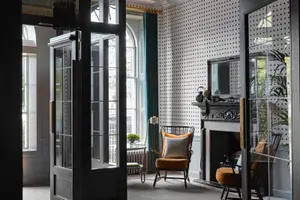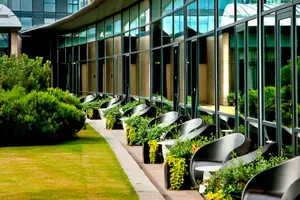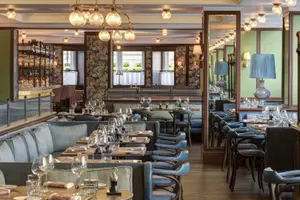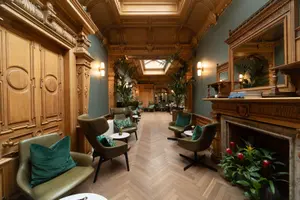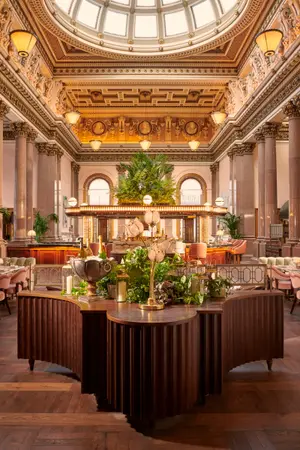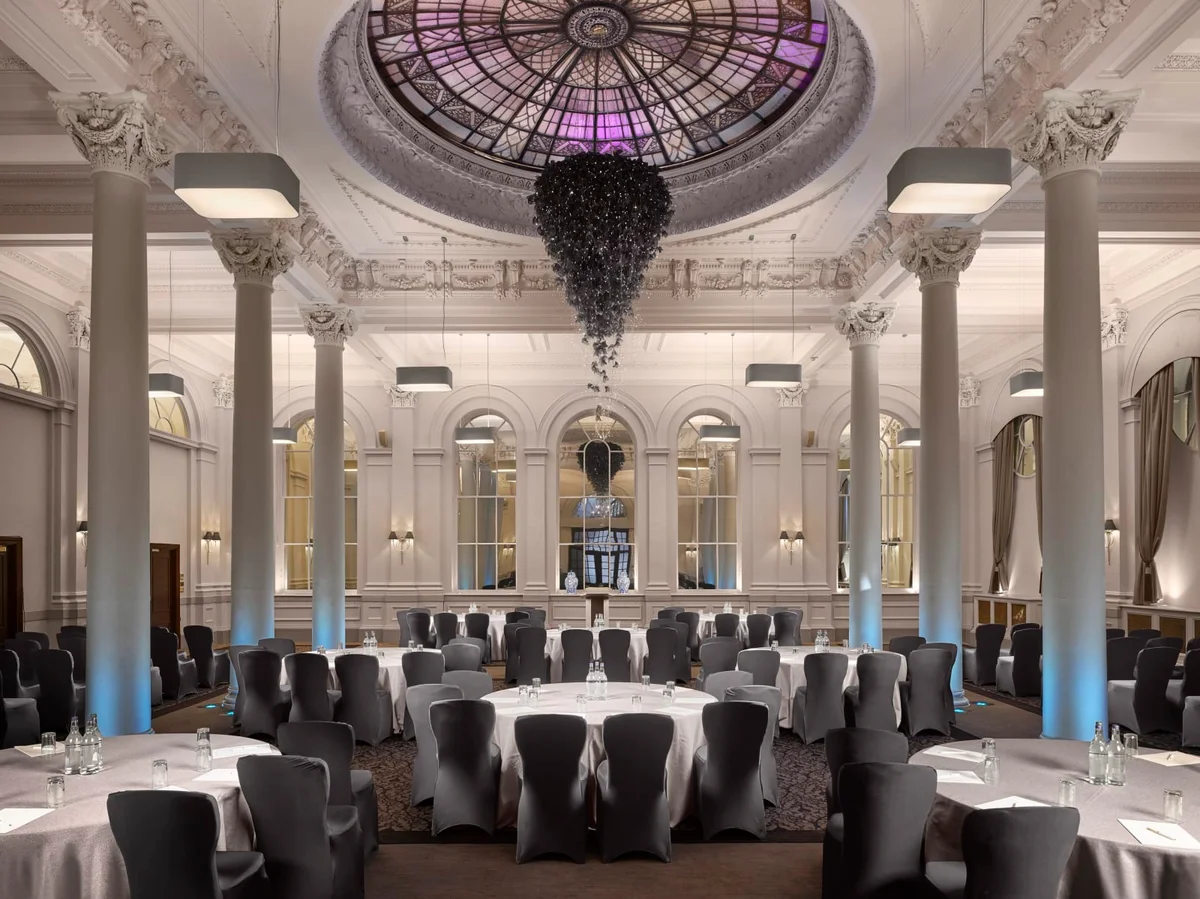
InterContinental Edinburgh The George by IHG
When you book InterContinental Edinburgh The George by IHG in Scotland through our IHG Destined partnership, your stay includes daily breakfast for two and a $100 USD hotel credit per stay. You also receive a room upgrade when available. You continue earning IHG One Rewards points and elite night credits. No premium credit card or membership needed: request a quote and our advisor books it at the same rate as booking direct.
Exclusive Booking Perks
These perks are included with your stay at the same rate as booking direct with the hotel.
- $100 USD (or local currency equivalent) hotel credit per stay
- Daily complimentary breakfast for 2 guests (full or continental, depending on the hotel)
- Complimentary room upgrade (subject to availability)
- Local welcome amenity
- Early check-in / late check-out (subject to availability)
Location
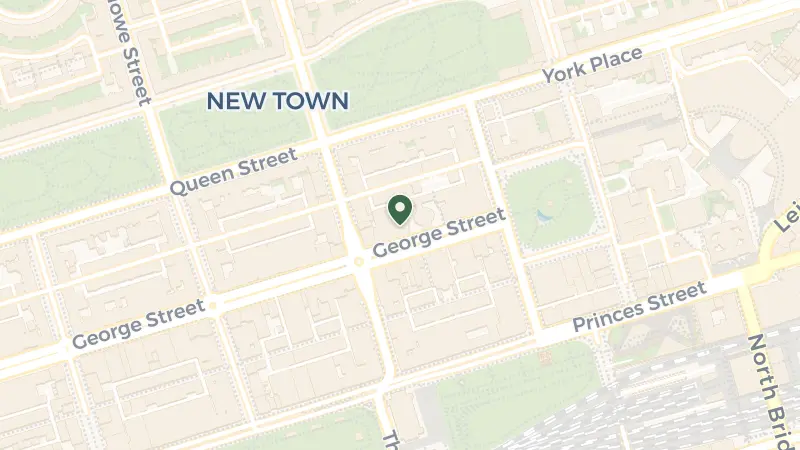
InterContinental Hotels and Resorts positions itself as a gateway to local culture, and few locations offer a more layered introduction to a city than the New Town of Edinburgh. The property sits within the Georgian grid that rose between 1767 and the mid-19th century, a masterplan of neo-classical symmetry and sandstone crescents that earned UNESCO World Heritage status in 1995 alongside the medieval Old Town. Step outside and you're walking streets designed for Enlightenment-era philosophers and merchants, now lined with boutiques, galleries, and the kind of discreet cocktail bars that reward curiosity.
Princes Street, the New Town's main artery, stretches a few minutes' walk away, facing Edinburgh Castle across the geological rift where the Nor Loch once lay. The volcanic silhouette of Arthur's Seat rises to the east; Calton Hill's monuments punctuate the skyline to the northeast. This is a city built on dramatic topography, and the New Town's orderly terraces contrast sharply with the Old Town's medieval closes and wynds just across the valley.
Edinburgh Airport lies 11 kilometres west, connected by tram in under half an hour. The city's compact core makes much of its cultural and culinary richness accessible on foot, though buses and taxis handle longer distances easily. The capital has been Scotland's political and cultural heart since the 15th century, and that weight of history is never far from view.
Book a table at AVERY, American chef Rodney Wages's Michelin-starred showcase, just 800 metres from the property. Wages fell so hard for Edinburgh on holiday that he relocated his family and his creative, ingredient-driven restaurant here; it's a risk that paid off. Timberyard, a similarly starred warehouse conversion 900 metres south, practises a seasonal, produce-first ethos behind a big red door. LYLA, one kilometre away within a Georgian townhouse terrace, focuses on seafood executed with precision. For provisions or atmosphere, Tron Kirk Market and Grassmarket Market sit 700 metres south, the latter nestled beneath the castle's southern cliffs where public hangings once drew crowds. Edinburgh Farmers' Market assembles weekly 800 metres northeast, showcasing Scottish beef, seafood, and artisan dairy.
The UNESCO-listed Old Town, one kilometre away, demands time: its medieval wynds, the Royal Mile's museums, and the castle's commanding views over the Firth of Forth. Stockbridge, 900 metres north, offers independent shops and riverside walks along the Water of Leith. Further afield, The Forth Bridge (13 kilometres north) remains an engineering marvel since 1890, its cantilever trusses spanning the estuary. The sands of Portobello Beach stretch 5.5 kilometres east, a Victorian seaside enclave still popular for walks and cold-water swimmers year-round.
Winter arrives with a slate-grey light that sharpens the castle's outline. January temperatures hover near freezing, and the wind off the North Sea cuts through, but December's festive markets and Hogmanay's street parties justify the chill. The stone absorbs what little daylight there is, giving the city a moody, introspective quality.
Spring unfolds slowly; April and May bring longer evenings and the first outdoor seating along George Street, though a jacket remains necessary. The gardens along Princes Street turn green again, and the festival calendar begins its long run. Summer peaks in July and August, with temperatures in the high teens, occasional warm spells pushing into the twenties, and daylight stretching past 10pm.
Autumn, particularly September and early October, offers the most reliable weather and fewer crowds once the International Festival ends. The light turns golden over the Firth, and the city regains its working rhythm. Late October brings wind and rain, and November settles into shortened days and damp stone.
Frequently Asked Questions

Quotes are personally reviewed by Natasha Hardy, founder of The Uncommon Traveller
5.0 rating · 8 Google reviewsThere is no fee or markup. The hotel pays our commission.
Request a Quote 5 Bib Gourmand