
JW Marriott Guanacaste Beach Resort
When you book JW Marriott Guanacaste Beach Resort in Provincia de Guanacaste, Costa Rica, through our Marriott Luminous partnership, your stay includes daily breakfast for two and a welcome amenity. You also receive a room upgrade, early check-in and late check-out when available. No premium credit card or membership needed: request a quote and our advisor books it at the same rate as booking direct.
Exclusive Booking Perks
These perks are included with your stay at the same rate as booking direct with the hotel.
- Welcome amenity
- Complimentary breakfast daily for two guests per room
- Early check-in and late check-out (when available)
- Complimentary upgrade (if available at check-in)
Guest feedback
Based on 186 guest reviews
Read what guests commentedBy category
Guests liked
- Great service from staff
- Nice location and grounds
Points to consider
- High prices for food and drinks
- Cleanliness issues in pool area
Location
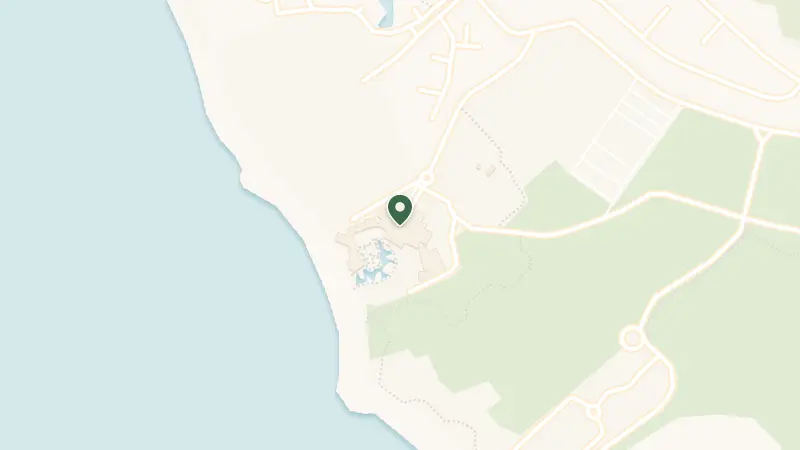
The Guanacaste coast stretches along Costa Rica's Pacific shoreline with a distinct character: drier than the Caribbean side, sculpted by wind and sun into a landscape of dry tropical forest meeting long crescents of pale sand. The property sits on a quiet stretch of beach between Tamarindo to the north and the surf breaks of Avellanas to the south, where the mood tilts toward unhurried mornings and late afternoons watching pelicans skim the waterline. Playa Mansita runs along the resort's edge, a ribbon of sand just three hundred metres from your door, backed by low vegetation and punctuated by tide pools.
This is Guanacaste Province, where the country's cattle ranching heritage meets a coastline that has drawn surfers, sport fishers, and sun-seekers for decades. The region's identity remains rooted in sabanero culture, the horseback tradition of the open plains, though the coast itself has evolved into a string of beach towns and gated developments. Tamarindo, the area's commercial hub, lies a short drive north with its surf schools, sodas serving casados, and evening congregations at beachfront bars.
Daniel Oduber Quirós International Airport near Liberia sits fifty-one kilometres east, a straightforward drive through cattle country and roadside fruit stands. Nosara's smaller airstrip is closer at thirty-seven kilometres, serving charter and domestic routes. The capital San José and its larger airport are three hours away over the continental divide, a journey most visitors skip in favour of the regional gateway.
The coastline here unfolds in a series of beaches, each with its own rhythm. Playa Avellanas, two kilometres south, draws consistent swells and a loyal surf crowd; Blue Water and Blue Trailz offer instruction a few kilometres farther on if you want to paddle out beyond the whitewash. Closer still, Playa Róbalo stretches emptier and quieter less than a kilometre away. Club de Golf Hacienda Pinilla, just over a kilometre inland, threads fairways through tropical dry forest where howler monkeys occasionally interrupt your backswing. Book a tee time at dawn when the air is still cool and the course belongs to you and the resident wildlife.
Las Baulas National Marine Park, fourteen kilometres north, protects the nesting grounds of leatherback turtles, the largest sea turtles in the world; guided night walks between October and March offer the chance to witness nesting, though sightings depend on the season and luck. The UNESCO-listed Area de Conservación Guanacaste lies seventy-two kilometres inland, a vast protected corridor where Pacific coastal ecosystems transition to cloud forest and volcanic slopes. Start with the park's coastal sectors if time is limited, where trails wind through dry forest that erupts into green during the wet months.
The dry season, December through April, defines high season here. Mornings break clear and hot, temperatures climbing into the low thirties by midday, the Pacific a flat expanse of glinting light. Rain is nearly absent, the landscape parched and golden, deciduous trees shedding leaves to conserve water. February and March are the driest months, when the sun feels relentless and every afternoon carries the scent of dust and dry grass.
The wet season arrives in May and intensifies through September and October, when afternoon thunderheads build over the interior mountains and sweep west. Mornings often remain bright, but by mid-afternoon the sky darkens and rain drums the earth, transforming the dry forest into a riot of green. Rivers swell, waterfalls gain volume, and the coast empties of crowds.
November marks the transition back to dryness, the rains tapering off as the landscape begins its slow fade to gold again. Visit during the shoulder months of late November or early December for greenery without the downpours, when the coast feels spacious and the light softens into something almost forgiving.
Frequently Asked Questions

Quotes are personally reviewed by Natasha Hardy, founder of The Uncommon Traveller
5.0 rating · 8 Google reviewsThere is no fee or markup. The hotel pays our commission.
Request a Quote