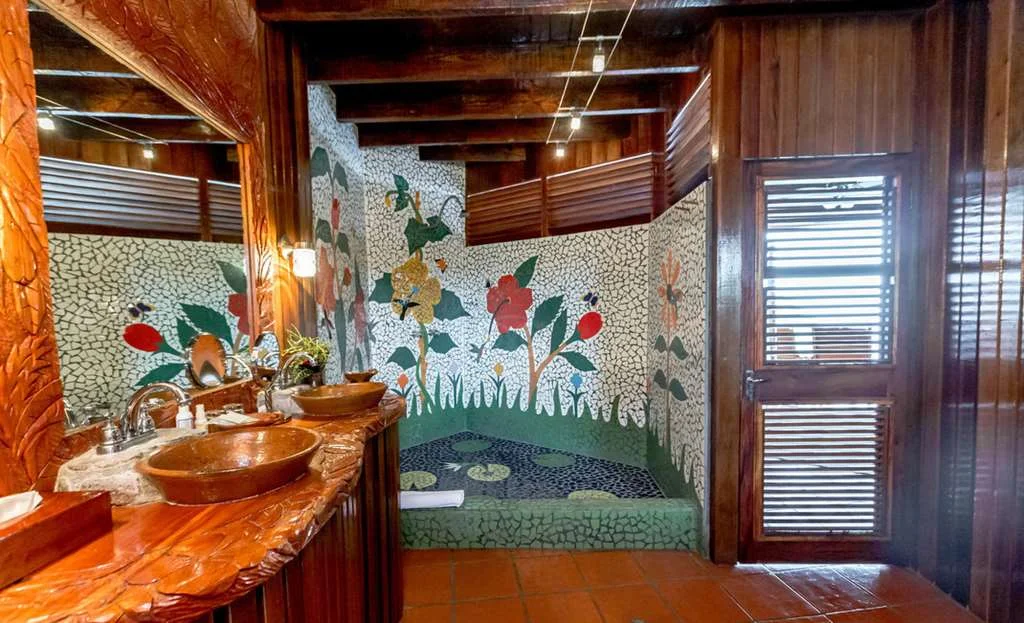
Ladera Resort - Adults Only
When you book Ladera Resort - Adults Only in Saint Lucia through our Virtuoso partnership, your stay includes daily breakfast for up to two guests and a $100 USD resort or hotel credit. You also receive a room upgrade, early check-in and late check-out when available. No premium credit card or membership needed: request a quote and our advisor books it at the same rate as booking direct.
Exclusive Booking Perks
These perks are included with your stay at the same rate as booking direct with the hotel.
- Upgrade on arrival, subject to availability
- Daily breakfast for up to two guests per bedroom, served in the restaurant (already included in property rates)
- $100 USD equivalent Resort or Hotel credit to be utilized during stay (not combinable, not valid on room rate, no cash value if not redeemed in full)
- Bookings in our Villa La Fleur or La Petite Fleur will receive an additional $50 Resort or Hotel credit (for a total of $150 during stay)
- Early Check-In / Late Check-Out, subject to availability
Guest feedback
9.7/10 from 332 guest reviews
Read what guests commentedBy category
Guests liked
- Incredible service
- Unique experience
Location
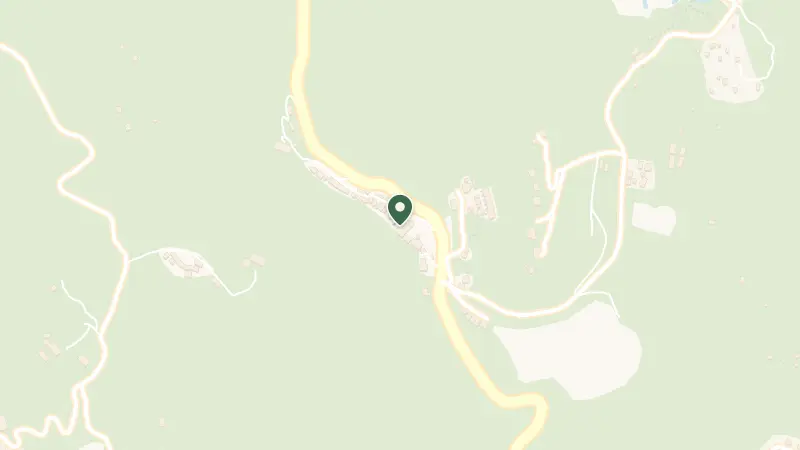
Ladera Resort commands the volcanic southwest coast of Saint Lucia, perched on a ridge above the fishing town of Soufrière with nothing between the property and the Pitons but open Caribbean air. The twin peaks of Gros Piton and Petit Piton rise directly from the sea less than four kilometres away, their forested slopes forming one of the most dramatic natural backdrops in the Caribbean. This is the island's wild, less-developed quarter, where the terrain tilts sharply toward the water and sulphur springs steam in the valleys.
Soufrière itself retains the unhurried character of a working Caribbean town: wooden fishing boats bob in the harbour, vendors arrange breadfruit and christophene at the Saturday market, and the scent of fresh bread drifts from corner bakeries. The town predates the island's resort era, its colonial-era stone buildings and weathered clapboard houses clustered along a crescent bay.
The Pitons Management Area, a UNESCO World Heritage Site since 2004, sprawls across nearly 3,000 hectares of volcanic ridges, reef systems, and geothermal features. Hewanorra International Airport lies 15 kilometres south, the approach road winding through banana plantations and coconut groves before climbing into the mountains.
The landscape around Ladera unfolds in waterfalls and trails. Piton Falls and Sapphire Waterfall lie just over a kilometre from the property, their pools fed by rainforest streams. The Tet Paul Nature Trail, a 1.5-kilometre walk through cassava fields and fruit orchards, delivers ridge-top views across both Pitons to the Atlantic beyond. Diamond Falls, two kilometres away, pours through mineral-streaked rock coloured ochre and purple by the island's volcanic geology. Book a guide for the Gros Piton climb if you're fit and steady; the ascent takes three hours and opens onto views across the entire southern coast.
Sugar Beach curves between the Pitons 1.2 kilometres south, its pale sand bracketed by jungle and accessible only by boat or a steep footpath. Anse Chastanet Beach, 4.6 kilometres north, offers snorkelling over coral gardens where sergeant majors and parrotfish work the reef. The Soufrière Vegetables Market, 2.7 kilometres into town, pulses with colour on Saturdays: towers of dasheen, bundles of thyme, and women selling cassava bread hot off griddles. Don't miss a soak at the Sulphur Springs, the Caribbean's only drive-in volcano, where you can wade into warm mineral baths fed by geothermal vents.
The driest months stretch from January through April, when northeast trades keep the air crisp and afternoon temperatures settle near 29°C. The light is sharp, the vegetation less lush than later in the year, and the sea calms into sheets of turquoise. This is peak season for a reason: conditions favour long days outdoors, whether hiking the Pitons or anchoring off a deserted beach.
May signals the shift. Rainfall increases through summer, the island turning a deeper green as showers roll through most afternoons. September and October deliver the heaviest rains, though storms tend to be short and fierce rather than lingering. The air grows thick, the jungle drips, and the waterfalls swell into roaring curtains.
December and January bring a surge of visitors chasing winter warmth. Temperatures hover in the high twenties, humidity drops, and the island's rhythm quickens. For fewer crowds and still-reliable weather, consider February or March, when the landscape glows gold in the dry-season light.
Frequently Asked Questions

Quotes are personally reviewed by Natasha Hardy, founder of The Uncommon Traveller
5.0 rating · 8 Google reviewsThere is no fee or markup. The hotel pays our commission.
Request a Quote