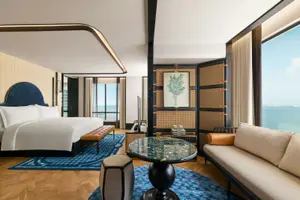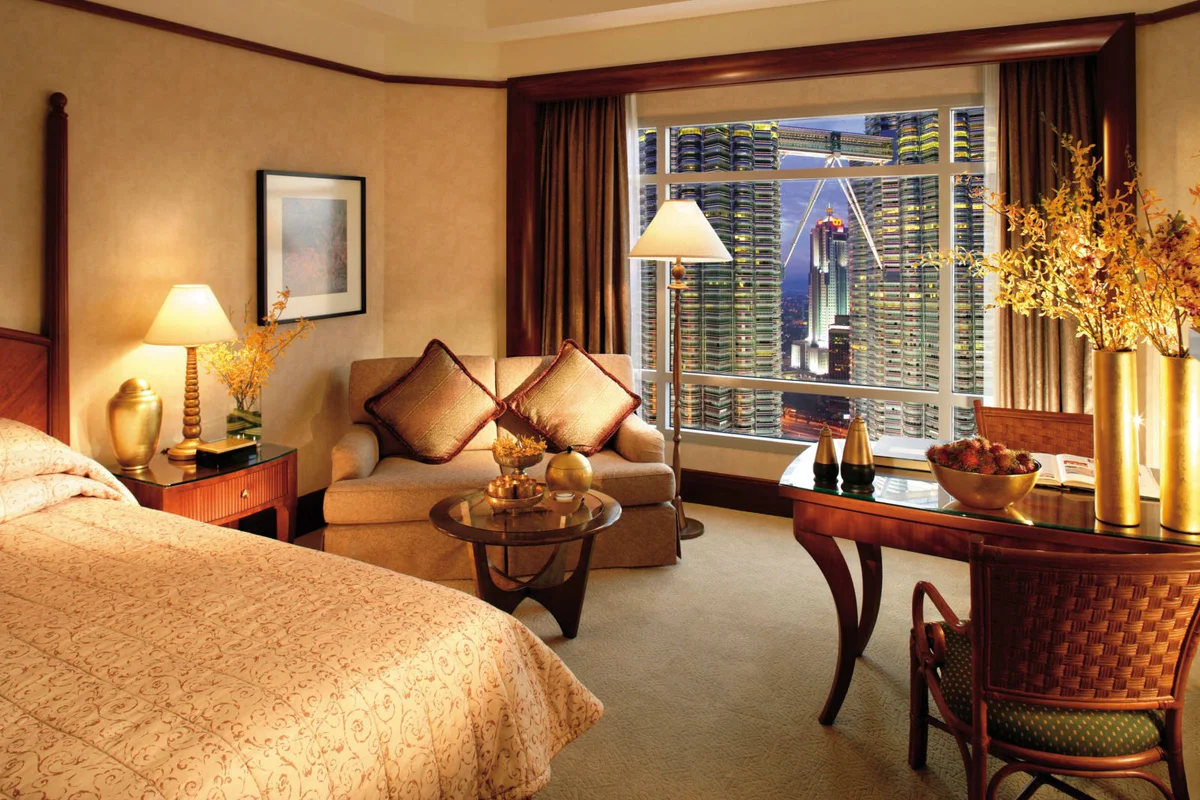
Mandarin Oriental, Kuala Lumpur
When you book Mandarin Oriental, Kuala Lumpur in Malaysia, through our Mandarin Oriental Fan Club partnership, your perks are confirmed with your quote. No premium credit card or membership needed: request a quote and our advisor books it at the same rate as booking direct.
Exclusive Booking Perks
Perks at this property are confirmed with your quote. You book at the same rate as booking direct.
- Exclusive perks available
- 9 exclusive perks included with your booking. Message us on WhatsApp for details.
Location
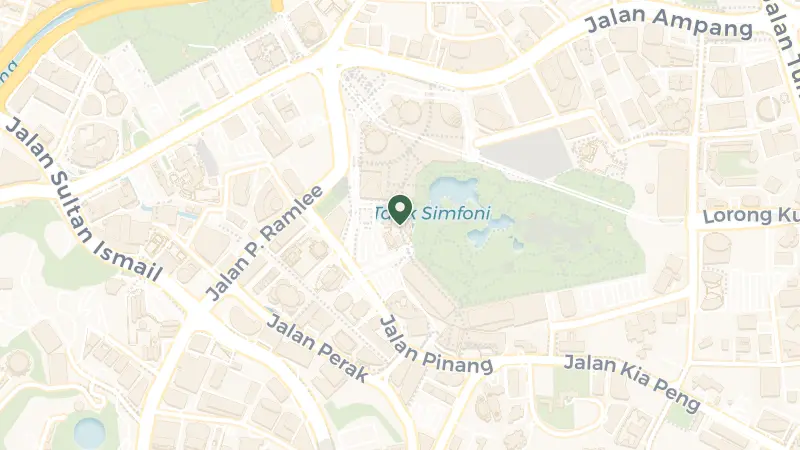
Mandarin Oriental brings its Hong Kong-founded legacy of Eastern hospitality and meticulous service to Malaysia's capital, a city that has evolved from 19th-century tin mining settlement to one of Southeast Asia's most dynamic metropolises. The property sits in the heart of Kuala Lumpur's commercial and cultural core, where the air hums with traffic, construction ambition, and the call to prayer drifting from distant minarets. This is a city built on contradictions: gleaming skyscrapers rise beside colonial-era shophouses, hawker stalls simmer next to Michelin-starred dining rooms, and the Gombak River still flows through neighbourhoods that have transformed beyond recognition since Yap Ah Loy and Frank Swettenham laid the city's foundations in the late 1800s.
The Kampung Paya neighbourhood pulses with urban energy. Within walking distance, the streets reveal layers of KL's identity: morning markets where vendors sell rambutans and mangosteens, midday crowds navigating five-foot-ways beneath pre-war shopfronts, evening neon reflecting off rain-slicked pavement. The city serves as Malaysia's political and financial centre, home to the parliament and the Istana Negara, but its soul remains in these layered streets where Malay, Chinese, and Indian cultures converge.
Sultan Abdul Aziz Shah International Airport lies 18 kilometres to the west, while Kuala Lumpur International Airport sits 46 kilometres south. Both connect via highway or airport rail links, threading through palm oil plantations that still ring the city's edges despite decades of explosive growth.
Beta, just four hundred metres from the property, earned its Michelin star through chef's theatrical reinterpretation of local favourites. The "Tour of Malaysia" menu spans the peninsula's culinary breadth, from Nyonya laksa to Sabahan hinava, each dish elevated through modern technique but rooted in tradition. Book a table at Dewakan, 700 metres away, where chef Darren Teoh's two-starred kitchen sources every ingredient locally and presents Malaysian gastronomy as devotional practice. The name translates to "food from God", and the tasting menu justifies the reverence: fermented tropical fruits, jungle herbs, reef fish prepared with techniques that honour indigenous knowledge. Molina, perched atop a skyscraper less than a kilometre distant, offers chef Sidney Schutte's French-Nordic cooking with Asian inflections and panoramic views over the city's jagged skyline.
Tapak Urban Street Dining, 700 metres from the hotel, channels KL's hawker culture into an open-air complex where smoke rises from satay grills and wok stations clatter through the evening. The night markets, pasar malam, unfold across different neighbourhoods each evening, including one along Lorong Tuanku Abdul Rahman. Air Terjun Bukit Nanas provides an unexpected jungle waterfall just over a kilometre away, hidden within the city's remaining forest reserve where macaques rustle through dipterocarp canopy.
Kuala Lumpur sits eight degrees off the equator, wrapped in tropical heat year-round. Temperatures hover near 30°C most months, dipping only slightly at night when the city's concrete exhales accumulated warmth. The air feels dense, thick with humidity that clings to skin within minutes of stepping outside.
Monsoon rains arrive with greatest force from October through December, turning streets into temporary rivers and sending residents under five-foot-ways and shopping arcades. Afternoons build toward thunderstorms that break suddenly, releasing curtains of water before clearing just as fast. The drier months of June and July offer slightly less precipitation, though afternoon showers remain frequent enough to keep the city perpetually green.
Morning and late evening provide the most comfortable hours for walking. Midday sun blazes relentlessly, softened only when cloud cover rolls in ahead of afternoon storms. The city's rhythm adapts accordingly: markets open early, office towers empty at dusk, and hawker centres fill after dark when temperatures drop a few merciful degrees.
Frequently Asked Questions

Quotes are personally reviewed by Natasha Hardy, founder of The Uncommon Traveller
5.0 rating · 8 Google reviewsThere is no fee or markup. The hotel pays our commission.
Request a Quote 24 Bib Gourmand