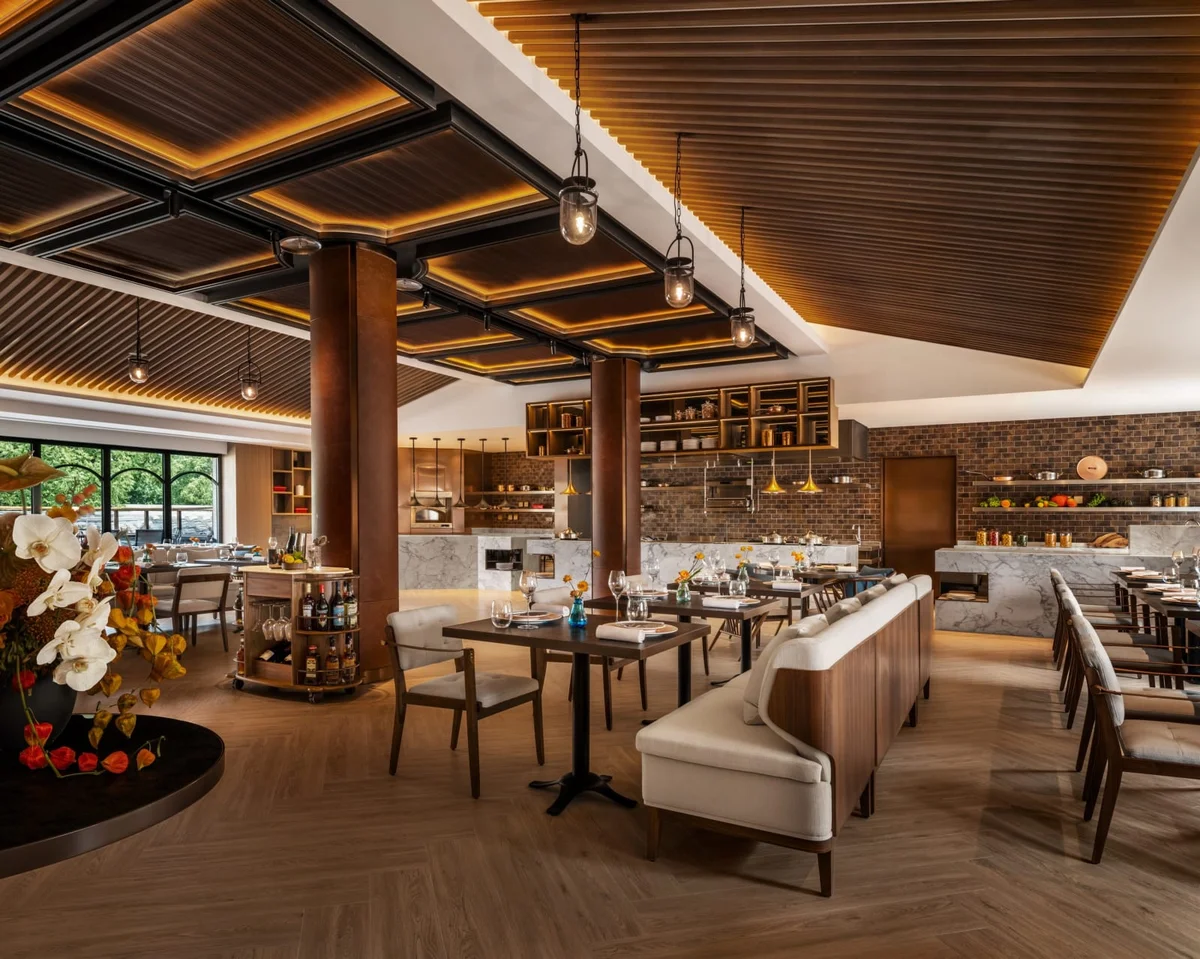
Mandarin Oriental Qianmen, Beijing
When you book Mandarin Oriental Qianmen, Beijing in China, through our Mandarin Oriental Fan Club partnership, your perks are confirmed with your quote. No premium credit card or membership needed: request a quote and our advisor books it at the same rate as booking direct.
Exclusive Booking Perks
Perks at this property are confirmed with your quote. You book at the same rate as booking direct.
- Exclusive perks available
- 9 exclusive perks included with your booking. Message us on WhatsApp for details.
Location
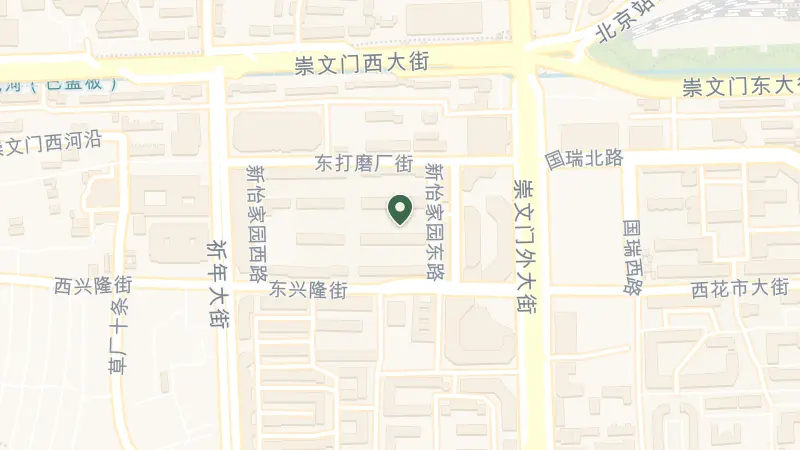
Mandarin Oriental brings more than six decades of Eastern hospitality tradition to Qianmen, blending meticulous service with the brand's signature attention to detail. The property sits in Chongwenmenwai, a subdistrict named for its position beyond Chongwenmen, the Revere Culture Gate of Beijing's former city walls. This is old Beijing reconfigured: hutong alleyways run parallel to broad avenues, and the weight of dynastic history presses into every corner.
The Beijing Central Axis, a UNESCO-listed ensemble of imperial palaces, gardens, and ceremonial buildings, runs north to south just two kilometres west, a spine of ordered grandeur cutting through the modern capital. Temple of Heaven, where Ming emperors performed sacrificial rites, lies six kilometres south, its altars and pine woods intact since the 15th century. The neighbourhood hums with the friction of preservation and pace, teahouses sharing sidewalks with glass towers.
Beijing Capital International Airport sits 26 kilometres northeast, connected by express rail and road. Daxing International Airport, 44 kilometres south, serves as an alternate gateway. The city moves on the right, and the yuan is the currency of every transaction, from fruit stalls to Michelin-starred tables.
Chaozhou cooking reaches its apex at Chao Shang Chao, 4.7 kilometres north in Chaoyang, where Chef Cheung refines coastal classics with three Michelin stars and a hallway lined with premium dried fish maw. Xin Rong Ji on Xinyuan South Road, 6.5 kilometres away, serves Taizhou seafood flown in from the East China Sea in a modern Chinese dining room equally calm and assured. Book a table at Lu Shang Lu, 4.3 kilometres north, for Confucius cuisine and Shandong specialities prepared by a Yantai-born chef who understands the province's kitchens intimately.
The Temple of Heaven's sacrificial altars and cypress groves offer a counterpoint to the capital's velocity, while the Summer Palace, 23 kilometres northwest, remains a masterwork of Qing dynasty landscape design, its gardens and pavilions draped over Kunming Lake. Sanyuanli Market, seven kilometres away, trades in produce and regional goods. The Central Axis, a procession of gates and courtyards formalizing imperial power, runs close enough to explore on foot or by short car ride.
January and February bring brittle cold, daytime highs hovering just above freezing while nights plunge well below. The air is dry and sharp, the city quiet under a pale winter sky. Spring arrives in March and builds through May, temperatures climbing into the mid-twenties by late spring, the city's parks unfurling green against the dust.
Summer heat peaks in June and July, afternoons reaching the low thirties with sudden downpours that clear the air before evening. Humidity rises, and the streets slow. Autumn, from September through October, is Beijing's finest season: clear skies, mild days in the low twenties, and a crispness that makes walking a pleasure.
December turns cold again, temperatures dropping as the year closes, the city bracing for the long northern winter ahead.
Frequently Asked Questions

Quotes are personally reviewed by Natasha Hardy, founder of The Uncommon Traveller
5.0 rating · 8 Google reviewsThere is no fee or markup. The hotel pays our commission.
Request a Quote 26 Bib Gourmand