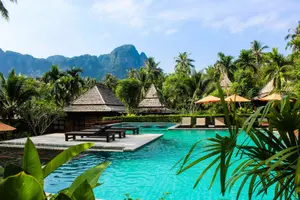
Mezzanine Tulum
When you book Mezzanine Tulum in Riviera Maya, Mexico, through our withIN by SLH partnership, your stay includes daily continental breakfast for two and a hotel credit of $50-$100 USD per stay. You also receive a one-category room upgrade and early check-in when available. No premium credit card or membership needed: request a quote and our advisor books it at the same rate as booking direct.
Exclusive Booking Perks
These perks are included with your stay at the same rate as booking direct with the hotel.
- A credit worth $50-$100 (USD) per room, per stay to be spent only on extras such as F&B or Spa, only on property and during the stay
- Daily Continental breakfast for two people
- Room upgrade to next room category, subject to availability at the time of check-in
- Early check-in, subject to availability at the time of check-in
- Late check-out, subject to availability
Guest feedback
9.6/10 from 257 guest reviews
Read what guests commentedBy category
Guests liked
- Beautiful location
- Friendly and attentive staff
Points to consider
- Limited access to the beach
- Pool was small
Location
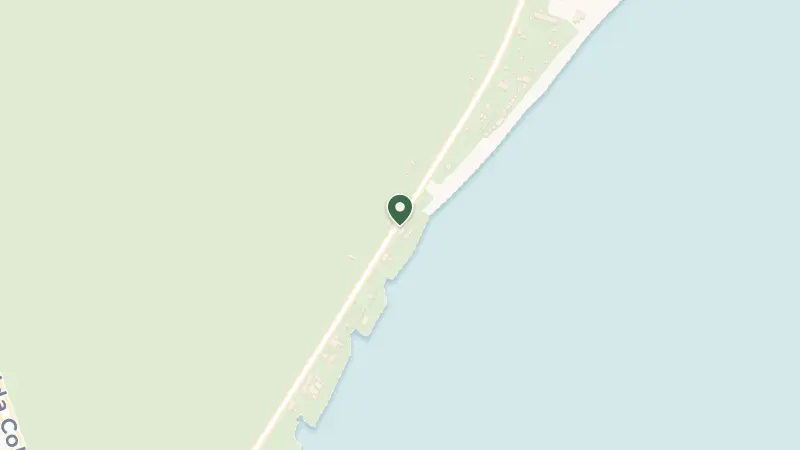
Tulum exists in a state of beautiful contradiction: ancient ruins perched on limestone cliffs above the Caribbean, jungle-flanked beaches where iguanas sun themselves on Mayan stones, and a coastline that has transformed from sacred port to one of Mexico's most compelling escapes. The Riviera Maya's southernmost jewel stretches along the Yucatán Peninsula's eastern edge, where the sea shifts from turquoise to sapphire depending on the light. This was once a walled city and major trading port for Coba, thriving between the 13th and 15th centuries before the Spanish arrival, and the Maya occupied it for seventy years after that contact before finally abandoning it.
The settlement today moves to two rhythms: the archaeological zone where waves crash against cliffsides below temples, and the hotel zone stretching south along Highway 307 where barefoot luxury meets jungle ecology. Playa Paraiso lies less than a kilometre from this stretch of coast, its name speaking plainly. The ruins of Parque Nacional Tulum stand three kilometres away, honey-coloured stone against endless blue.
Felipe Carrillo Puerto International Airport sits twenty-three kilometres west. Most arrivals still filter through Cancún, 111 kilometres north, then drive the coastal corridor past Puerto Morelos and Playa del Carmen.
The beaches here demand nothing but your presence. Playa de Tulum curves along the shoreline two kilometres from the property, while Playa Paraiso earned its name honestly. Wade into the shallows where the continental shelf drops and the water temperature barely shifts year-round. Cenote diving threads through the inland jungle: freshwater sinkholes that puncture the limestone, some open to sky, others cathedral-dark. Book a dive at one of the local operators or head to Cenote Corazon eight kilometres inland, where mineral-rich water meets underground rivers.
The Sian Ka'an Biosphere Reserve stretches south and west, its name meaning "Origin of the Sky" in Yucatec Maya. This is wetland and coastal forest on a scale that humbles, inscribed as a UNESCO World Heritage Site in 1987 and reachable within an hour's drive. Closer in, Parque Nacional Tulum preserves the archaeological site itself: climb the path to El Castillo, the clifftop temple that served as a lighthouse for incoming canoes, and watch frigatebirds wheel overhead. Start early before the heat settles and the tour groups arrive.
Winter brings the most forgiving conditions: highs in the mid-twenties Celsius, nights that cool just enough to sleep under a sheet, and skies that stay mostly clear from December through March. The sun feels direct but not punishing, the humidity manageable, the Caribbean a constant invitation.
Summer turns thick and wet. May through October sees afternoon storms roll in from the sea, brief and violent, leaving the jungle steaming. September is the wettest month, though rain rarely lingers past an hour. Hurricane season runs June to November, with September and October the peak months for serious weather.
April and early May offer a sweet spot: warm but not sweltering, the water at its clearest, crowds thinning after spring break. November holds similar appeal as the rains ease and temperatures begin their slow descent toward the dry season.
Frequently Asked Questions

Quotes are personally reviewed by Natasha Hardy, founder of The Uncommon Traveller
5.0 rating · 8 Google reviewsThere is no fee or markup. The hotel pays our commission.
Request a Quote 2 Bib Gourmand