Molitor Hotel & Spa Paris - MGallery Collection
When you book Molitor Hotel & Spa Paris - MGallery Collection in France through our Accor Preferred partnership, your stay includes daily breakfast for two and a $100 USD hotel credit. You also receive a room upgrade, early check-in and late check-out when available. No premium credit card or membership needed: request a quote and our advisor books it at the same rate as booking direct.
Exclusive Booking Perks
These perks are included with your stay at the same rate as booking direct with the hotel.
- Daily complimentary breakfast for 2, per room
- VIP Welcome
- $100 USD credit to be spent on property (conditions defined at check-in)
- Early check-in & late check-out (upon availability)
- Upgrade at time of check-in (upon availability)
Guest feedback
Based on 105 guest reviews
By category
Guests liked
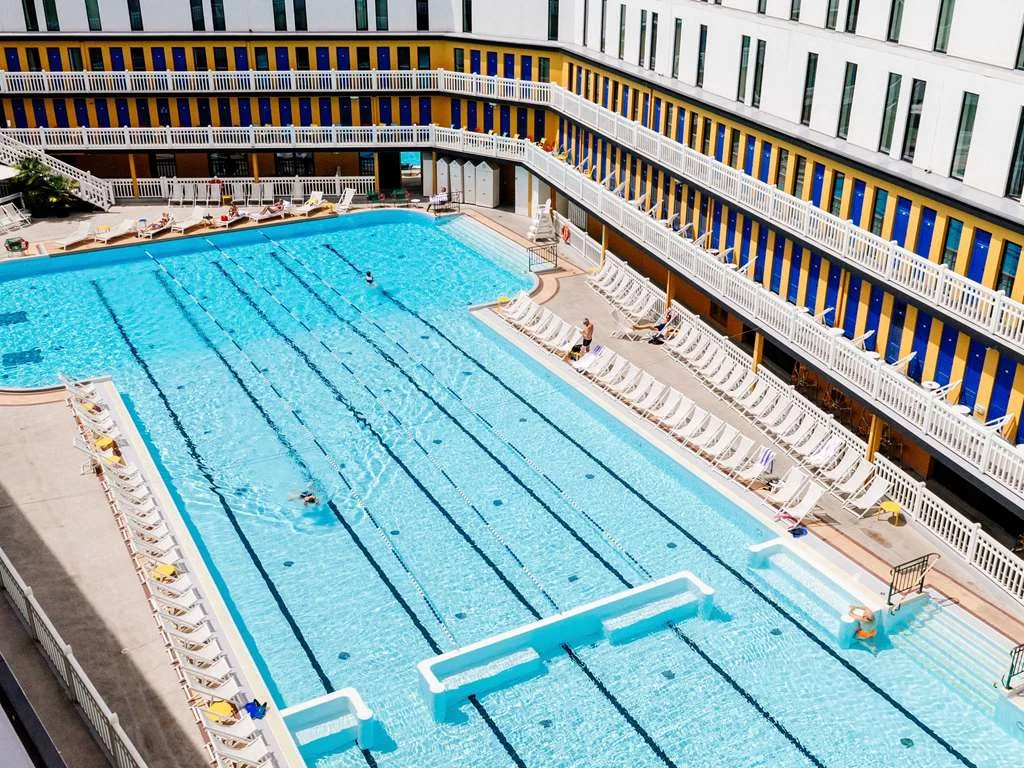
- Pool
- Swimming pool
Location
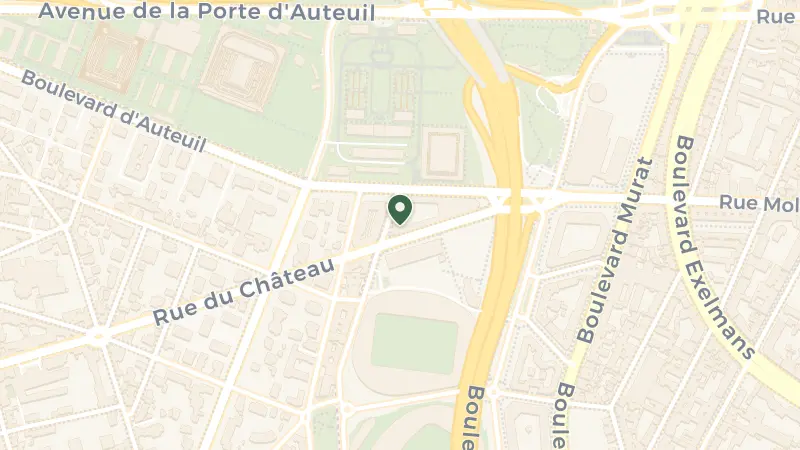
The property occupies a storied corner of Paris's 16th arrondissement, where the elegance of Quartier d'Auteuil meets the leafy expanse of the Bois de Boulogne. This is residential Paris at its most refined: tree-lined avenues, Belle Époque apartment buildings with wrought-iron balconies, neighbourhood bakeries where regulars collect their morning croissants. The Seine curves less than two kilometres north, while the vast green lungs of the Bois stretch west, offering bridle paths, lakes, and the kind of unhurried calm that feels improbable in a capital city.
The surrounding streets carry the quiet confidence of old money. Marché Escudier-Jaurès, just over a kilometre away, fills its stalls with seasonal produce, cheese wheels the size of tractor tyres, and cuts of beef from Charolais cattle. Auteuil's Belle Époque villas and private gardens recall an era when this was the countryside retreat of Parisian society.
Charles de Gaulle Airport lies twenty-nine kilometres northeast, connected by RER and taxi. Paris-Orly sits fifteen kilometres south. The Métro's Art Nouveau entrances, those scrolling ironwork portals designed by Hector Guimard, provide direct access to the Louvre, Musée d'Orsay, and the grand boulevards Baron Haussmann carved through the medieval city centre in the nineteenth century.
Three-Michelin-starred dining defines this arrondissement's reputation. Le Pré Catelan, just over two kilometres into the Bois de Boulogne, has been Frédéric Anton's domain for nearly three decades. The Napoleon III pavilion, refurbished in green, white, and silver, frames his creative modern cuisine with theatrical precision. Further afield, Christian Le Squer's Le Cinq occupies one of the city's grand palace hotels, while Pierre Gagnaire's eponymous restaurant showcases adventurous, boundary-pushing compositions beneath Adel Abdessemed's striking charcoal mural.
Walk to Marché Escudier-Jaurès for oysters from Brittany, farm butter wrapped in parchment, and bundles of tarragon. The Bois de Boulogne offers morning runs past the Bagatelle rose garden and the Longchamp racecourse, where Parisians have gathered since the mid-1800s. Book a table at Le Pré Catelan well in advance. The Banks of the Seine UNESCO site, six kilometres northeast, traces the city's evolution from medieval island settlement to imperial capital, every bridge and quay a chapter in stone.
Winter wraps the city in pewter light, temperatures hovering between freezing and eight degrees. Café windows fog with steam, chestnut vendors work their braziers along the boulevards, and the Bois loses its crowds to a few determined joggers and dog walkers.
Spring arrives with a rush of green and extended daylight, temperatures climbing into the mid-teens by April. Terrace tables reappear, the horse chestnuts bloom along Avenue Foch, and the city shakes off its winter reserve. June and July bring the most dependable weather, warm but rarely oppressive, the Seine reflecting cloudless skies.
August sees the city thin as Parisians decamp for the coast, leaving museums and restaurants quieter than usual. September offers the best of both worlds: warm afternoons, golden light slanting across Haussmann's cream-stone façades, and the return of cultural programming after the summer lull.
Frequently Asked Questions

Quotes are personally reviewed by Natasha Hardy, founder of The Uncommon Traveller
5.0 rating · 8 Google reviewsThere is no fee or markup. The hotel pays our commission.
Request a Quote 47 Bib Gourmand