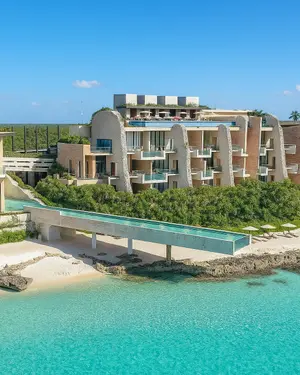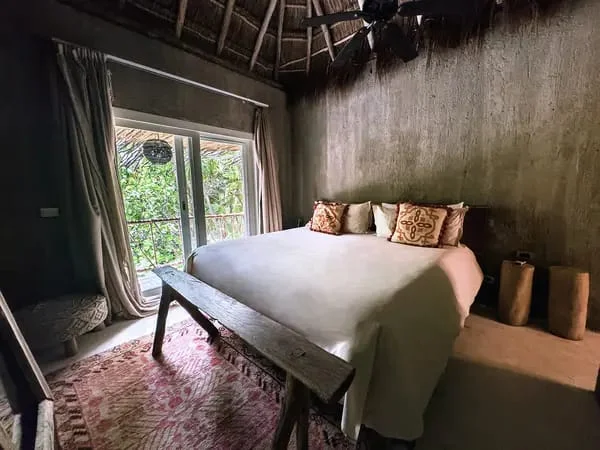
Nomade Tulum
When you book Nomade Tulum in Riviera Maya, Mexico, through our Inner Core partnership, your stay includes daily breakfast for two. You also receive a room upgrade and late check-out when available. No premium credit card or membership needed: request a quote and our advisor books it at the same rate as booking direct.
Exclusive Booking Perks
These perks are included with your stay at the same rate as booking direct with the hotel.
- Room upgrade (subject to availability at check-in)
- $100 USD/EUR property credit (once per stay)
- Daily breakfast for 2 guests, per day
- Late Check-Out
- Early Check-In Time (based on availability)
Guest feedback
8.4/10 from 434 guest reviews
By category
Guests liked
- Friendly staff
- Beautiful location
Points to consider
- Cleanliness issues
- Unclear pricing
Location
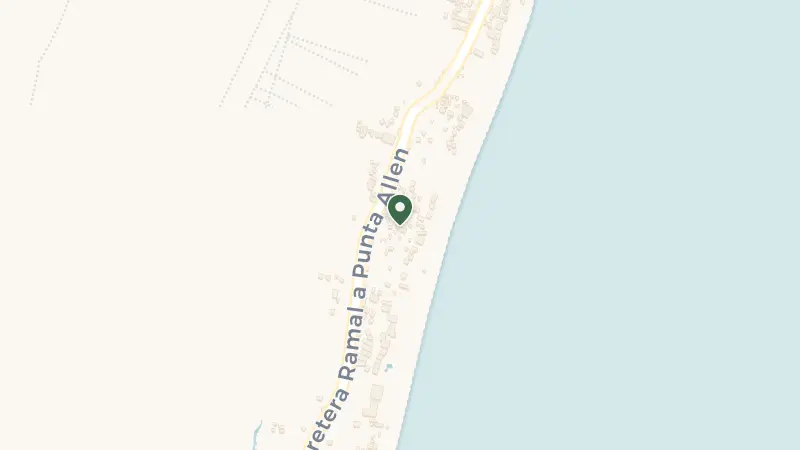
Tulum occupies a rare position along the Riviera Maya, where the jungle meets the Caribbean and ancient Mayan ruins still command the coastline from their cliff-top perch. This is the site of a once-thriving port city, built and inhabited by the Maya through the 15th century and abandoned only after Spanish exploration began. Today, the walled ruins of Tulum draw visitors for their striking preservation and their dramatic setting above turquoise water. The town itself has evolved into a destination that balances barefoot bohemia with considered design, attracting those drawn to its cenotes, beach clubs, and the sense of being at the edge of something wild.
The neighbourhood stretches inland from the coast, bordered by dense jungle and punctuated by freshwater sinkholes. Amansala Beach lies just over three kilometres away, while Playa Paraiso and the main Playa de Tulum are further south along the shore. The rhythm here is slower than Playa del Carmen to the north, the streets lined with open-air restaurants, yoga studios, and boutiques that favour natural materials and candlelight.
Felipe Carrillo Puerto International Airport Tulum sits 21 kilometres from the property, a straightforward drive through low jungle. Cancún International Airport, 118 kilometres north, remains the region's primary hub with broader international connections.
The immediate pull here is the coastline. Playa Paraiso, eight kilometres south, offers powdery sand and shallow water the colour of pale jade. For those drawn to cenotes, Cenote Corazon sits within the jungle canopy, its clear water reached by a descent through limestone. Dive sites abound: Cenote Dos Pisos, 10 kilometres inland, presents underwater caverns illuminated by shafts of filtered light. The Parque Nacional Tulum protects both the archaeological zone and surrounding coastal scrub, while Sian Ka'an, 64 kilometres south, unfolds as a vast biosphere reserve of mangroves, lagoons, and barrier reef. In the language of the Maya who once inhabited this coast, Sian Ka'an means "Origin of the Sky", and the protected wetlands still feel untouched, reachable by boat or guided tour.
Book a morning visit to the Tulum ruins before the heat settles in; the site opens early and the clifftop temple, El Castillo, frames the sea with startling clarity. Closer to the property, the jungle trails and beachfront paths reveal iguanas basking on warm stone, the scent of copal resin drifting from nearby ceremonies. Caleta Tankah, 11 kilometres north, provides a quieter stretch of shore with reef snorkelling just offshore.
Winter months, December through February, bring the most temperate conditions, with daytime highs around 26°C and dry, brilliant skies. The jungle stays green without the weight of humidity, and evenings cool just enough for open-air dinners by candlelight. This is peak season, when the coastline fills with visitors seeking escape from northern winters.
Spring warms gradually, reaching 29°C by May, though rainfall begins to increase as the season progresses. Summer and autumn, June through October, bring higher humidity and frequent afternoon showers, with September typically the wettest month. The jungle thickens, cenotes feel cooler by contrast, and the beaches empty out between rain bursts.
Late autumn, particularly November, offers a sweet spot: temperatures ease back toward the mid-20s, the skies begin to clear, and the crowds haven't yet returned in full force. The light softens, the sea remains warm, and the sense of having the coast to yourself returns.
Frequently Asked Questions

Quotes are personally reviewed by Natasha Hardy, founder of The Uncommon Traveller
5.0 rating · 8 Google reviewsThere is no fee or markup. The hotel pays our commission.
Request a Quote 2 Bib Gourmand