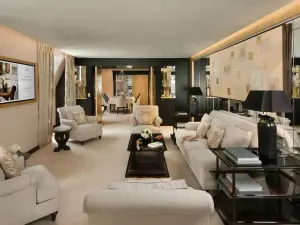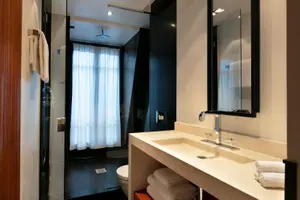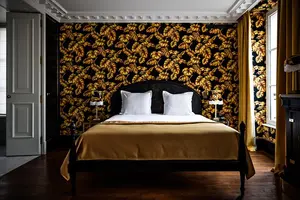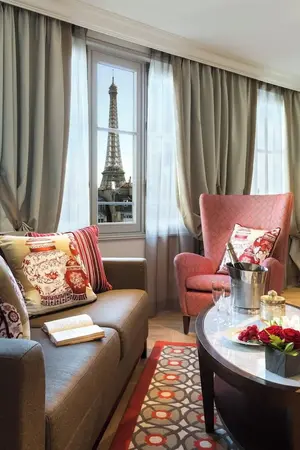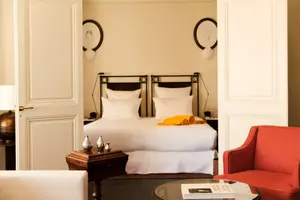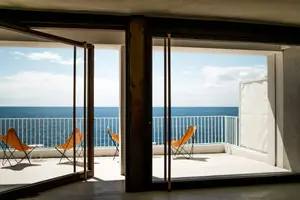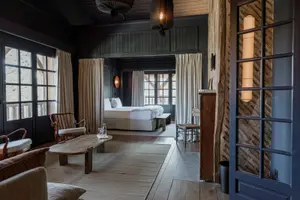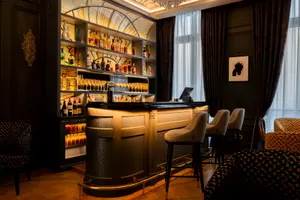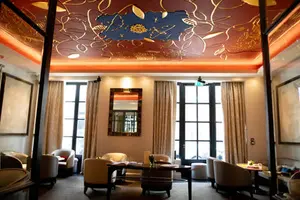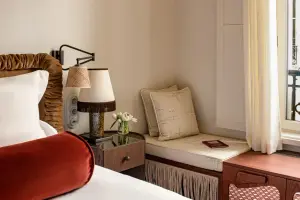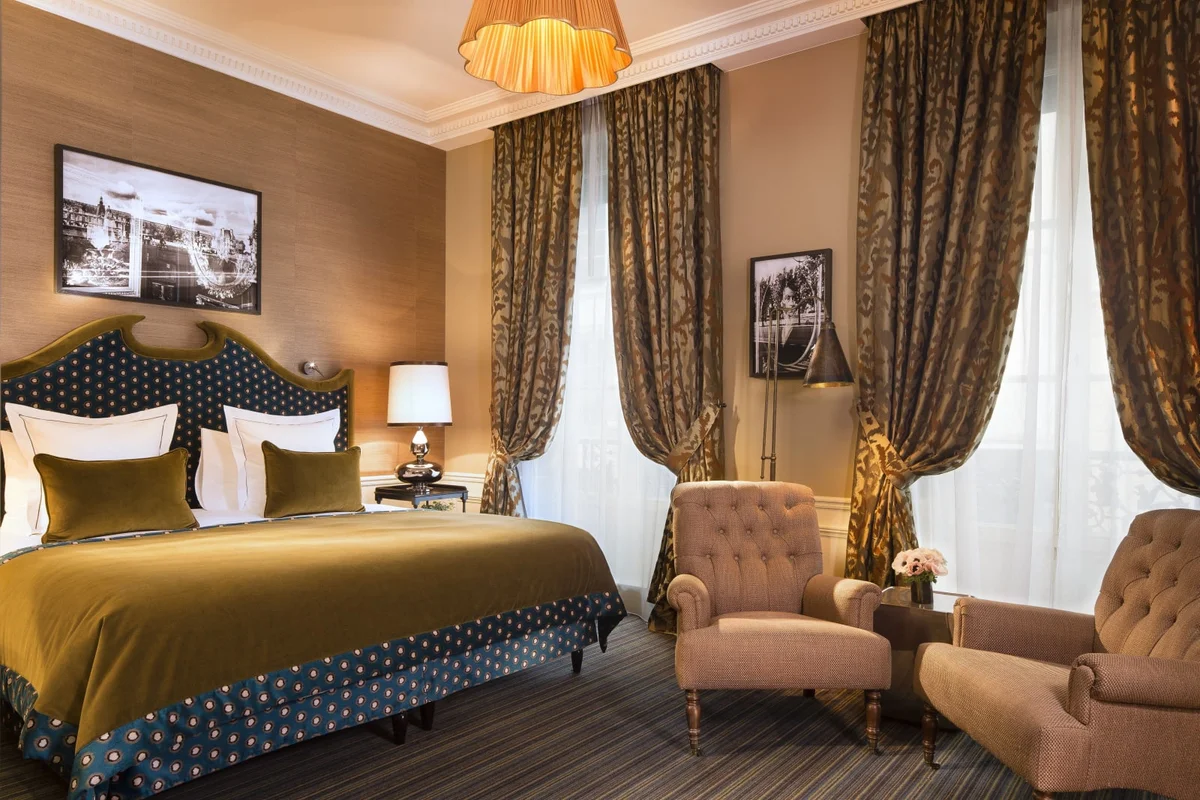
Pavillon Faubourg Saint-Germain & Spa
When you book Pavillon Faubourg Saint-Germain & Spa in Paris, France, through our Fora Reserve partnership, your stay includes daily breakfast, a 100 USD resort credit and a welcome amenity. No premium credit card or membership needed: request a quote and our advisor books it at the same rate as booking direct.
Exclusive Booking Perks
These perks are included with your stay at the same rate as booking direct with the hotel.
- Complimentary daily breakfast
- 100USD Resort Credit
- Welcome VIP (upgrade, early check-in and late check-out all subject to availability)
- Welcome VIP amenity
Guest feedback
9.4/10 from 120 guest reviews
Read what guests commentedBy category
Guests liked
- Beautiful property
- Exceptional staff
- Great location
Points to consider
- Small room size
Location
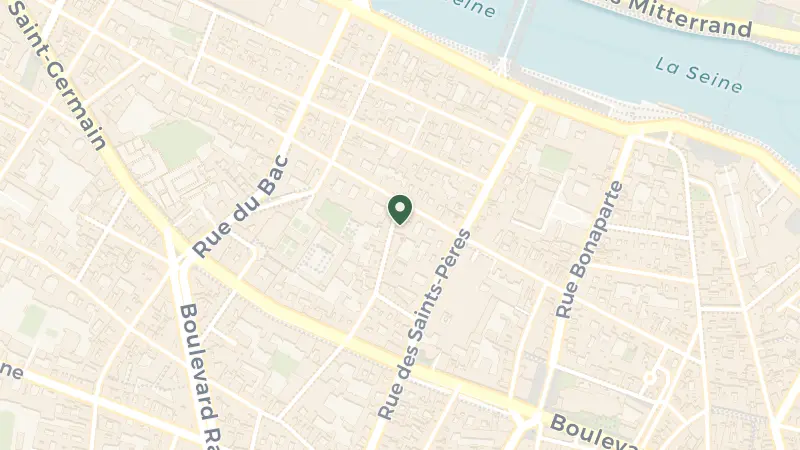
The 7th arrondissement unfolds along the Left Bank with a patrician reserve that feels both lived-in and theatrical. Stone façades the colour of aged parchment line boulevards where diplomats still stride past boulangeries unchanged since the Belle Époque, and the air carries the scent of espresso and old books. This is Faubourg Saint-Germain, where the city's political and intellectual life has centred itself for three centuries, a quarter of grand hôtels particuliers converted to ministries and museums, their cobbled courtyards concealing some of Paris's most discreet addresses.
The Seine curves just beyond, its stone embankments inscribed as a UNESCO World Heritage Site for the way they trace the city's evolution from medieval fortress to Enlightenment capital. The Musée d'Orsay stands fifteen minutes' walk north, housed in a gilded Beaux-Arts railway station; the Rodin Museum's sculpture garden lies even closer, tucked behind high walls on rue de Varenne. Haussmann's renovation remade the city in the 19th century, carving wide boulevards through medieval tangles, and the 7th retains that grandeur without the tourist crush of the Right Bank.
Charles de Gaulle Airport sits 24 kilometres northeast (the RER B train runs direct), Orly 14 kilometres south. The Art Nouveau métro entrance at Invalides, all sinuous ironwork and amber glass, opens onto a neighbourhood where the rhythms of daily Parisian life, market mornings and late suppers, persist alongside the city's ceremonial face.
Paris concentrates three-star dining within walking distance like nowhere else in Europe. Plénitude at Cheval Blanc Paris, 900 metres north in the transformed Samaritaine, showcases Arnaud Donckele's command of contemporary technique in a dining room overlooking the Seine. Arpège, under Alain Passard's direction for decades, reimagined French haute cuisine without meat at its core, drawing on vegetables from the chef's own gardens; it stands just under one kilometre away. Book a table at Kei, 1.2 kilometres distant, where Kei Kobayashi layers Japanese precision onto French foundations with results that earned him three stars and a reputation for dishes that linger in memory long after the meal ends.
The neighbourhood itself rewards aimless wandering. Musée d'Orsay anchors the riverfront two kilometres east, its Beaux-Arts railway station housing the world's finest Impressionist collection behind a vast iron-and-glass vault. Start with Marché Raspail's Saturday general market for the full sensory assault of French provisions: farm butter in hand-wrapped parcels, bundles of tarragon still wet from washing, fishmongers calling prices over crushed ice. The Musée Picasso, housed in a 17th-century hôtel particulier in the Marais, holds the largest public collection of the artist's work, spanning ceramics to late paintings across airy, light-filled galleries.
Summer (June through August) brings warmth that lingers past dusk, temperatures climbing into the low twenties, the streets emptying in August as Parisians decamp for the coast. Cafés spill onto pavements, the Seine reflects a high northern light that stretches until nearly ten o'clock, and the city takes on a languor that feels almost southern.
Autumn sharpens the air by October, temperatures dropping into the mid-teens, the chestnut trees along the boulevards turning copper and gold. This is Paris at its most beautiful, the light slanting low through plane trees, the markets piled with cèpes and game.
Winter (December through February) turns cold but rarely bitter, daytime highs around six to eight degrees, the city taking on a pewter cast under low clouds. Spring (April and May) unfolds slowly, temperatures climbing into the mid-teens, café terraces reopening, the gardens around Rodin's sculptures coming back to life in waves of green.
Frequently Asked Questions

Quotes are personally reviewed by Natasha Hardy, founder of The Uncommon Traveller
5.0 rating · 8 Google reviewsThere is no fee or markup. The hotel pays our commission.
Request a Quote 47 Bib Gourmand