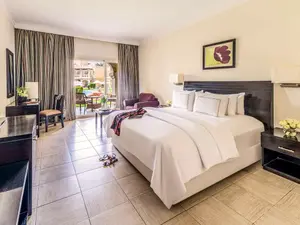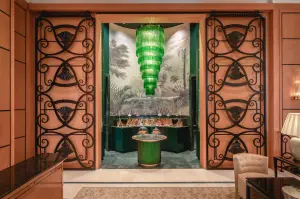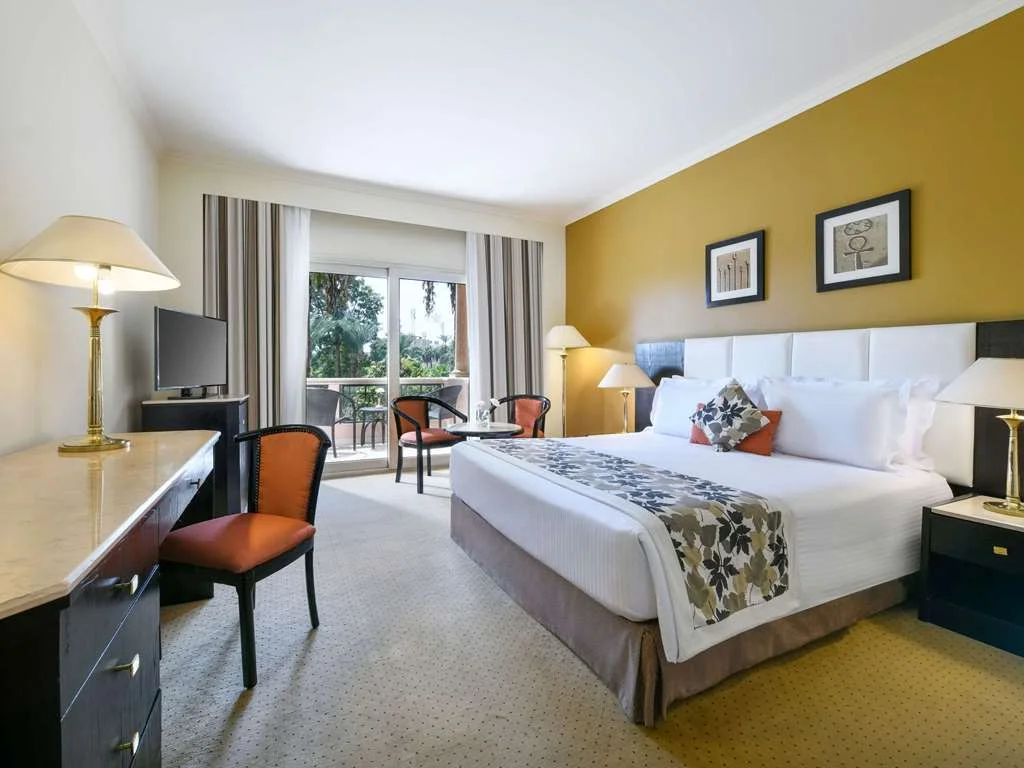
Pavillon Winter Luxor
When you book Pavillon Winter Luxor in Egypt through our Accor Hera partnership, your stay includes daily breakfast for two and a $100 USD hotel credit. You also receive a room upgrade, early check-in and late check-out when available. No premium credit card or membership needed: request a quote and our advisor books it at the same rate as booking direct.
Exclusive Booking Perks
These perks are included with your stay at the same rate as booking direct with the hotel.
- Daily complimentary breakfast for 2, per room
- $100 USD credit to be spent on property (conditions defined at check-in)
- Early check-in & late check-out (upon availability)
- Upgrade at time of check-in (upon availability)
Location
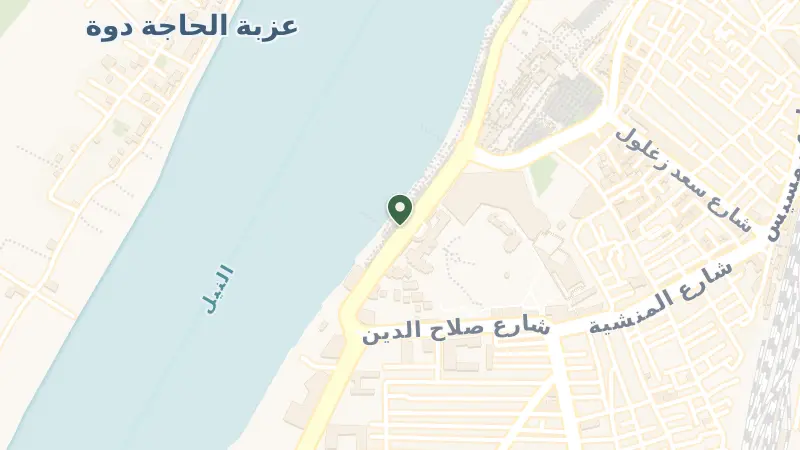
Luxor sits on the east bank of the Nile, where the modern city rises among temple columns and obelisks that have stood for millennia. The air carries the scent of incense from narrow streets lined with spice vendors, and the call to prayer echoes across rooftops at dusk. This is Thebes, the ancient capital of the Middle and New Kingdoms, a city where pharaohs built monuments to eternity and left behind what UNESCO calls one of the world's most concentrated archaeological landscapes.
Within walking distance, the temple complexes at Karnak and Luxor define the eastern skyline: processional avenues flanked by ram-headed sphinxes, hypostyle halls thick with hieroglyphs, pylons that dwarf tour groups gathered in their shadows. Cross the Nile by felucca or motor launch, and the west bank unfolds into the Theban Necropolis, a vast burial ground carved into limestone cliffs. The Valley of the Kings lies five kilometres from the city centre, its tombs descending into painted chambers where royal sarcophagi once rested.
The city lives at the intersection of past and present. Mosques, Coptic churches, and Pharaonic ruins share the same streets. Hot air balloons drift over the river at dawn, their burners breaking the stillness. Luxor International Airport sits eight kilometres east, a short transfer that delivers travellers directly into the heart of Upper Egypt's archaeological corridor.
Start early with a sunrise balloon flight over the west bank, the desert turning amber as the Nile reflects the first light. Ancient Thebes with its Necropolis, inscribed as a UNESCO World Heritage Site in 1979, stretches across both banks: Karnak's Great Temple of Amun on the east, the Valley of the Kings and Valley of the Queens carved into the western hills. Book a private guide to navigate the tombs; the wall paintings in KV62 and the Temple of Hatshepsut reward close attention. The Tourist Market, less than a kilometre from the property, offers alabaster bowls, papyrus scrolls, and the kind of haggling that requires patience and good humour.
Luxor Temple, illuminated after dark, becomes a different monument entirely: sandstone glowing under floodlights, the avenue of sphinxes leading north toward Karnak. For a break from archaeology, the Royal Valley Golf Club sits ten kilometres out, a green anomaly in the desert. The city's restaurants serve grilled pigeon stuffed with rice, ful medames, and thick Egyptian coffee, though Michelin has yet to award stars here. Dining is informal, street-side, animated by locals who know the rhythm of this place better than any guidebook.
Winter, from November through February, offers Luxor's most forgiving temperatures: clear skies, midday warmth in the low twenties, cool evenings that make rooftop dining comfortable. This is peak season, when the monuments fill with visitors and the light turns golden across the Nile at dusk.
Spring and autumn bring heat that climbs into the mid-thirties by April and lingers through October. The air shimmers above the temple courtyards; mornings and late afternoons become the only tolerable hours for exploration. October occasionally sees brief rain, a surprise in a city that records near-zero precipitation most months.
Summer, from June through August, tests endurance. Temperatures exceed forty degrees, the kind of dry furnace heat that empties streets by midday and sends travelers indoors until sunset. Those who visit now find the monuments nearly deserted, but the trade-off is significant. Plan accordingly.
Frequently Asked Questions

Quotes are personally reviewed by Natasha Hardy, founder of The Uncommon Traveller
5.0 rating · 8 Google reviewsThere is no fee or markup. The hotel pays our commission.
Request a Quote