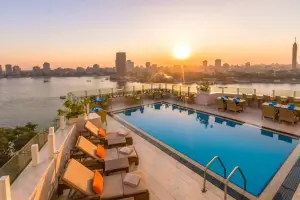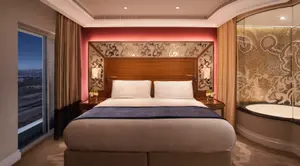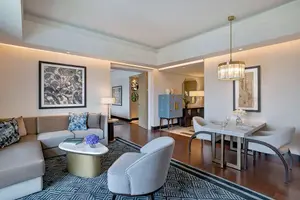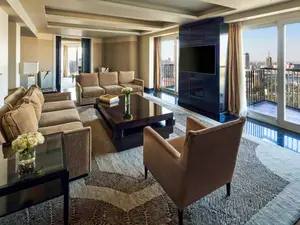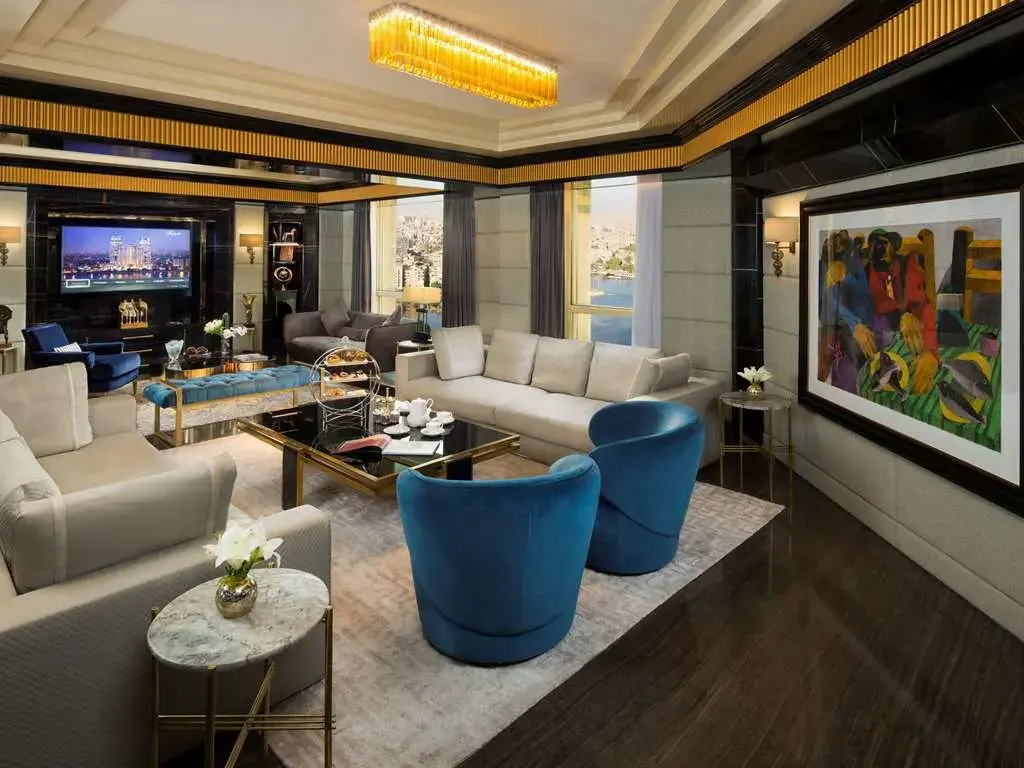
Fairmont Nile City
When you book Fairmont Nile City in Cairo, Egypt, through our Virtuoso partnership, your stay includes daily buffet breakfast for up to two guests and a $100 USD food and beverage credit. You also receive a room upgrade when available. You continue earning ALL Accor points and elite night credits. No premium credit card or membership needed: request a quote and our advisor books it at the same rate as booking direct.
Exclusive Booking Perks
These perks are included with your stay at the same rate as booking direct with the hotel.
- Upgrade at time of booking, subject to availability
- Daily Buffet breakfast for up to two guests per bedroom, served in the restaurant
- $100 USD equivalent Food & Beverage credit
- A complimentary 50 minute massage for up to 2 guests per room, once during stay
- Early check-in / Late check-out, subject to availability
Guest feedback
Based on 121 guest reviews
Read what guests commentedBy category
Guests liked
- Cleanliness
- Excellent service
- Gorgeous hotel
Points to consider
- High airport transfer cost
- Delayed check-in
Location
Fairmont operates landmark properties in major cities and resort destinations worldwide, each carrying a sense of legacy and established reputation. The Fairmont Nile City rises along the eastern bank of the Nile in Cairo, a metropolis that has commanded this river crossing for over a millennium. Founded in 969, Cairo superseded the ancient cities of Memphis and Heliopolis to become the political and cultural heart of Egypt, a role it has never relinquished. The call to prayer echoes from hundreds of minarets across the skyline, earning the city its enduring title.
Four kilometres south, the labyrinth of Historic Cairo, a UNESCO World Heritage Site since 1979, preserves the world's oldest Islamic urban fabric: mosques, madrasas, hammams, and fountains tucked between narrow streets. The Nile itself pulses with life, feluccas catching the breeze, water taxis cutting across the current.
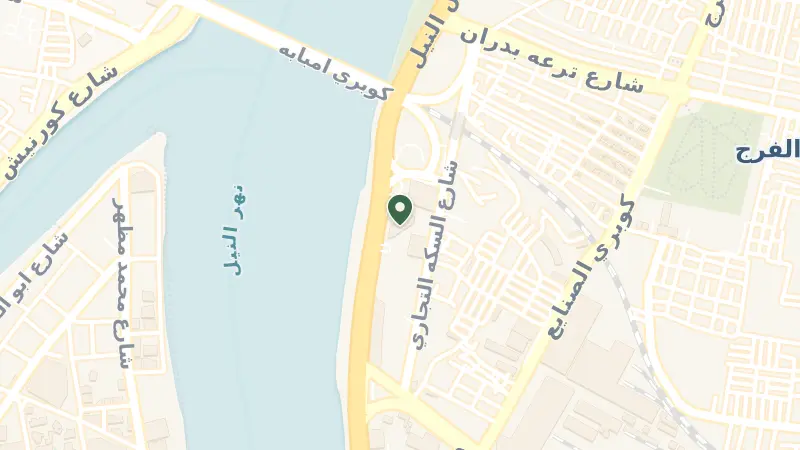
The property sits in El Sabteya, with access to both the river's rhythm and the city's financial and commercial districts. Cairo International Airport lies seventeen kilometres northeast, a straightforward drive through the expanding metropolitan sprawl.
The Nile Taxi dock sits just one hundred metres from the property, offering a traditional perspective on the river's timeless flow. Two kilometres west, the Gezira Club Golf Course occupies Gezira Island, a rare expanse of green fairways amid the urban density. For a deeper encounter with Cairo's layered past, Historic Cairo unfolds four kilometres to the south: walk through the Khan el-Khalili souk, where coppersmiths hammer trays in centuries-old workshops, or step into the Sultan Hassan Mosque, its stone courtyard a masterpiece of Mamluk architecture.
Fourteen kilometres southwest, the Giza pyramid complex and the necropolis at Memphis and Dahshur hold the funerary monuments of the Old Kingdom, rock tombs and mastabas framing the horizons where pharaohs were entombed. Book a morning visit to Dahshur before the heat intensifies. Back in the city centre, the Bab Al-Louq Vegetable Market, three kilometres away, offers mountains of okra, eggplant, and fresh herbs piled high on wooden carts, the air sharp with cumin and coriander.
Winter, from November through February, brings the most comfortable temperatures for exploring Cairo's open-air monuments and markets, highs hovering between nineteen and twenty-six degrees. The light is golden, the air dry, the city at its most walkable. Spring warms quickly: by April, afternoons reach thirty degrees, and by May the mercury climbs past thirty-four.
Summer, June through September, is relentless, with highs routinely exceeding thirty-seven degrees and the streets quieting during midday as residents retreat indoors. Rainfall is negligible year-round, barely a few millimetres in the cooler months, and entirely absent from May through September.
October and November offer a second window of pleasant weather as temperatures retreat, the city stirring back to life before the brief, mild winter returns.
Frequently Asked Questions

Quotes are personally reviewed by Natasha Hardy, founder of The Uncommon Traveller
5.0 rating · 8 Google reviewsThere is no fee or markup. The hotel pays our commission.
Request a Quote