Kempinski Nile Hotel Cairo
When you book Kempinski Nile Hotel Cairo in Egypt through our Kempinski Club 1897 partnership, your stay includes daily breakfast for two. Your stay also includes a hotel credit of USD 50 or USD 100 once per stay. You also receive a room upgrade, early check-in and late check-out when available. No premium credit card or membership needed: request a quote and our advisor books it at the same rate as booking direct.
Exclusive Booking Perks
These perks are included with your stay at the same rate as booking direct with the hotel.
- Daily breakfast for two people at the main restaurant
- Early check-in, late check-out subject to availability
- USD 50 or USD 100 hotel credit to spend in the hotel once per stay, not refundable
- Upgrade subject to availability upon check-in
Location
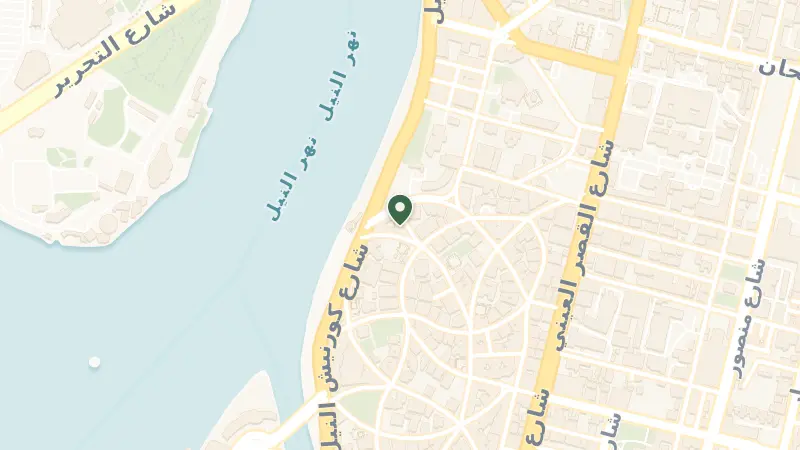
Kempinski Club 1897 brings its legacy of European hospitality to the banks of the Nile, where the river's rhythms have governed life for millennia. The property sits in Garden City, a leafy quarter south of Tahrir Square developed in the early twentieth century along English garden city principles. Wide, curving streets lined with flame trees and embassy compounds create an atmosphere of diplomatic calm, a rare pocket of quiet removed from the pulse of central Cairo. The neighbourhood's secure, residential character draws long-term residents and visiting dignitaries to its shaded sidewalks and wrought-iron balconies.
Historic Cairo, a UNESCO World Heritage Site three kilometres to the east, unfolds as a labyrinth of tenth-century mosques, madrasas, and hammams where the call to prayer echoes through stone alleyways. This is the city titled "the city of a thousand minarets", founded in 969 and layered with the architectural ambitions of Ayyubid and Mamluk dynasties. Twelve kilometres southwest, the Giza pyramid complex and the Memphis necropolis anchor the Nile Delta in an older world still, where pharaonic stone rises from desert sands.
Cairo International Airport lies eighteen kilometres northeast, connected by highway and taxi services that navigate the sprawl of a metropolitan region home to over twenty-two million people. The Nile Corniche runs along Garden City's western edge, framing the river that has drawn settlement here for six thousand years.
Bab Al-Louq Vegetable Market, just over a kilometre away, operates in the early mornings when vendors shout prices for okra, dates, and bundled mint. The narrow aisles smell of coriander and cumin, grounding you in the daily commerce of Cairene life before the sun climbs too high. Historic Cairo's mosques and madrasas demand at least a half-day: walk the stone courtyards where tilework catches afternoon light, pause in hammam antechambers cooled by ancient hydraulic engineering. The Egyptian Museum, near Tahrir Square, holds the pharaonic collections that made archaeology a discipline, though it requires stamina to absorb its density of artefacts. Book a guide who can decode hieroglyphs and explain the funerary customs that fill room after room with gold and lapis lazuli.
The Giza pyramids, twelve kilometres southwest, are best visited at dawn or late afternoon when tour groups thin and the desert light softens the limestone. Gezira Club Golf Course, less than two kilometres north on the island of Zamalek, offers eighteen holes beneath palms if you need a respite from monumental history. El Khalifa Market, roughly two kilometres distant, trades in textiles and spices; arrive prepared to linger over bolts of cotton and haggle over saffron threads.
Winter, from November through February, brings daytime temperatures around twenty degrees Celsius and cool evenings that make walking through Historic Cairo's stone alleys a pleasure rather than an endurance test. The air is dry, the Nile breeze mild, and the low-angled sun gilds the pyramids without the haze that settles in summer. This is the peak season for a reason: the city breathes easier.
Spring arrives in March with temperatures climbing past twenty-five degrees, the heat building steadily through April and May until the city bakes under a cloudless sky. Summer, from June to August, pushes past thirty-seven degrees with relentless sun and near-zero precipitation. The streets empty midday; only air-conditioned interiors offer respite.
Autumn descends in September and October, temperatures easing back into the low thirties and then the mid-twenties by November. The light grows kinder, the evenings longer, and the rhythm of the city shifts from survival to engagement. Plan for winter or autumn if you intend to explore on foot.
Frequently Asked Questions

Quotes are personally reviewed by Natasha Hardy, founder of The Uncommon Traveller
5.0 rating · 8 Google reviewsThere is no fee or markup. The hotel pays our commission.
Request a Quote