
Puente Romano
When you book Puente Romano in Marbella, Spain, through our Virtuoso partnership, your stay includes daily breakfast for up to two guests and a food and beverage credit of USD 100. You also receive a room upgrade, early check-in and late check-out when available. No premium credit card or membership needed: request a quote and our advisor books it at the same rate as booking direct.
Exclusive Booking Perks
These perks are included with your stay at the same rate as booking direct with the hotel.
- Upgrade on arrival, subject to availability
- Daily Breakfast for up to two guests per bedroom, served in the restaurant (already included in property rates)
- USD 100 equivalent Food & Beverage credit to be utilized during stay (not combinable, no cash value if not redeemed in full)
- Early Check-In / Late Check-Out, subject to availability
Location
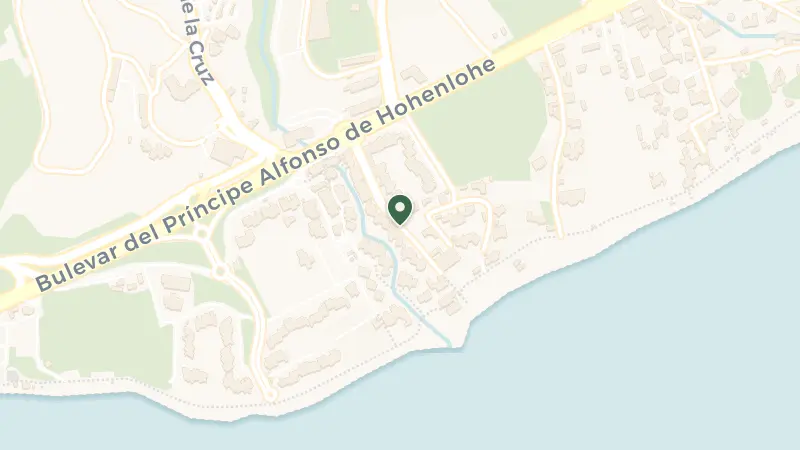
The Golden Mile stretches between Marbella's old town and Puerto Banús, a sweep of manicured palms and whitewashed villas where the Mediterranean laps at sand beaches and the Sierra Blanca rises in hazy folds behind. This is Marbella's storied coastal strip, where the light has a particular sharpness in the mornings and the air carries salt and jasmine. Playa de Nagüeles lies four hundred metres south, a stretch of sand where the water stays calm most of the year. Inland, the old farmhouses that once dotted this coast have largely given way to gated estates, but traces of Andalusian character persist in the tile work and the rhythm of the place.
Marbella itself has been a winter refuge since the 1950s, when European aristocracy discovered its mild climate and built the first beach clubs. The old quarter, with its Plaza de los Naranjos and narrow callejones, sits three kilometres northeast. The city's archaeological museums hold Phoenician anchors and Roman mosaics, evidence of anchorage here long before the luxury marina era. Málaga-Costa del Sol Airport is forty-two kilometres east, an hour's drive along the AP-7 through hills planted with olive and pine.
The dining here runs from Japanese precision to Andalusian abundance. Skina, two kilometres northeast in the old town, holds two Michelin stars for its modern tasting menus served in a converted townhouse. Nintai, also nearby, translates Japanese technique through Iberian ingredients under the guidance of sommelier Marcos Granda, who opened it after years studying in Tokyo. Book a table at either well in advance; both draw diners from across the coast. The property itself anchors a collection of on-site restaurants that shift with the seasons, though the focus stays Mediterranean.
Beyond the table, the beaches unfold in succession: Playa del Ancón seven hundred metres west, Playa de la Fontanilla further along toward the old harbour. Puerto Banús marina, three kilometres southwest, fills with yachts and late-night terraces. The Mercado Central, three and a half kilometres away, spreads stalls of jamón ibérico, Málaga raisins, and morning-caught sardines under iron rafters. For a longer drive, Ronda sits thirty-four kilometres inland, its gorge spanned by the Puente Nuevo and Bardal's two-starred kitchen tucked near the cliffs.
Summer arrives in June and holds through September, the days climbing past thirty degrees in July and August when the coast empties of locals and fills with northern Europeans. The beaches stay crowded until sunset, and the evenings stretch long and warm. April and May bring the best light, temperatures in the high teens and low twenties, wildflowers in the Sierra Blanca foothills.
Winter is mild but wet, December through February seeing the bulk of the year's rain in quick afternoon downpours. The coast never freezes; fifteen degrees feels cold here, and cafés keep their terraces open most days. October and November offer a softer alternative to summer, the sea still warm enough for swimming and the Golden Mile quieter.
Frequently Asked Questions

Quotes are personally reviewed by Natasha Hardy, founder of The Uncommon Traveller
5.0 rating · 8 Google reviewsThere is no fee or markup. The hotel pays our commission.
Request a Quote 1 Bib Gourmand