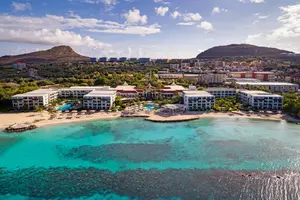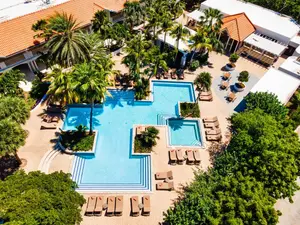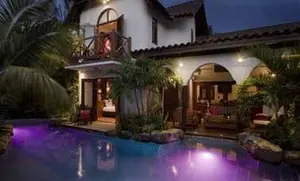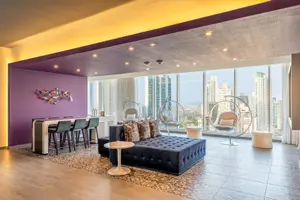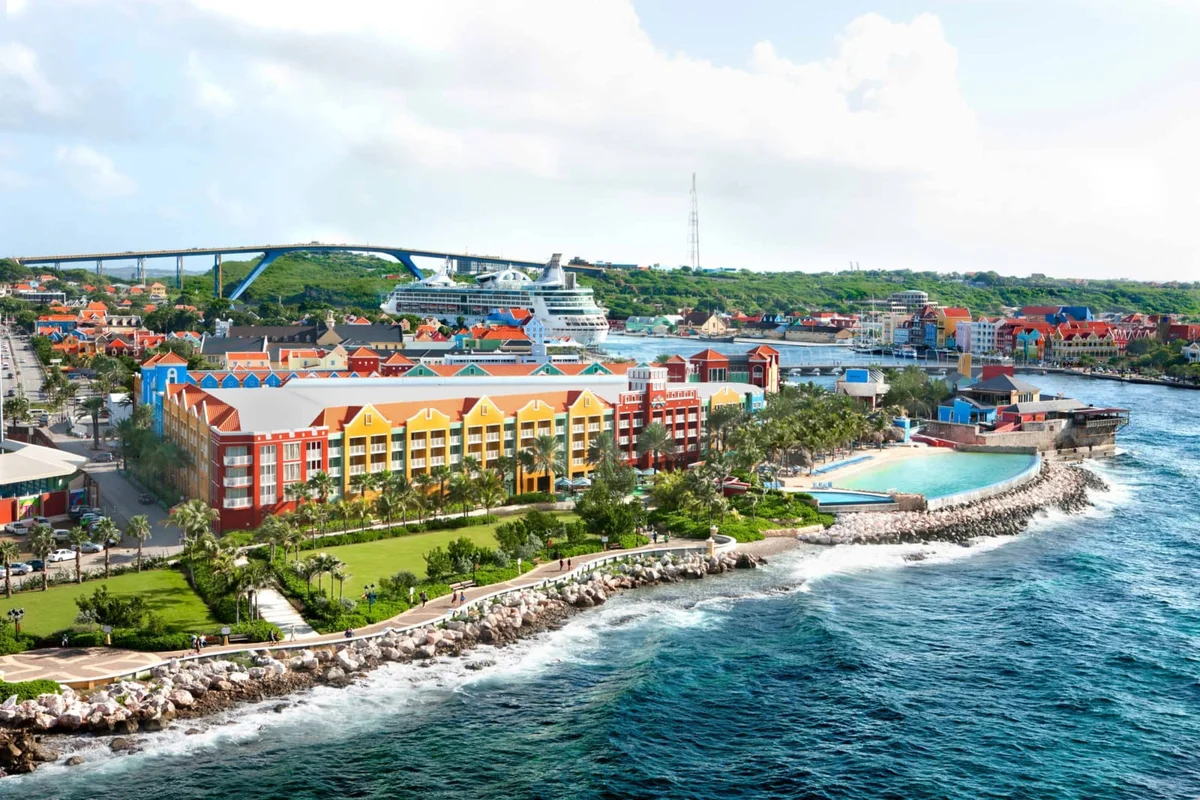
Renaissance Wind Creek Curacao Resort
When you book Renaissance Wind Creek Curacao Resort in Willemstad, Curacao, through our Marriott Luminous partnership, your stay includes daily breakfast for two and a welcome amenity. You also receive a room upgrade, early check-in and late check-out when available. No premium credit card or membership needed: request a quote and our advisor books it at the same rate as booking direct.
Exclusive Booking Perks
These perks are included with your stay at the same rate as booking direct with the hotel.
- Welcome amenity
- Complimentary breakfast daily for two guests per room
- Early check-in and late check-out (when available)
- Complimentary upgrade (if available at check-in)
Guest feedback
9.0/10 from 694 guest reviews
By category
Guests liked
- Excellent service
- Great location
- Comfortable rooms
Points to consider
- Inconsistent cleanliness
- Some food quality issues
Location
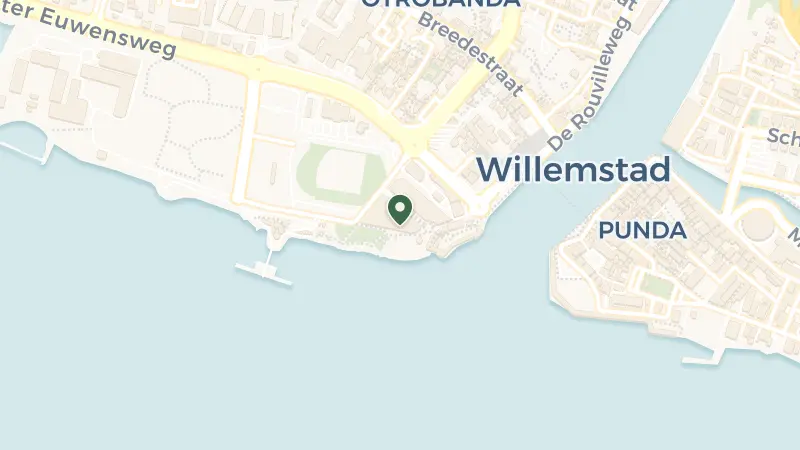
Willemstad announces itself in Technicolor: pastel-painted gabled facades line the harbour, their reflections shimmering in the Sint Anna Bay while the floating Queen Emma Bridge swings open to let cargo ships glide into the Schottegat. This is the capital of Curaçao, a Dutch Caribbean outpost where synagogues and cathedrals share cobblestone streets, and where Papiamentu mixes with Dutch and English in the markets. The city was founded in 1634 as a trading settlement, and its historic centre, split across four quarters, earned UNESCO World Heritage status in 1997 for its singular architecture and harbour configuration.
Otrobanda, the southwest quarter where the property sits, rose in 1707 and translates roughly as "the other side", a name that speaks to its position across the bay from the older Punda district. The neighbourhood retains a residential feel despite the harbour bustle: pastel row houses with ornate ironwork, corner shops selling stroopwafels and arepas, streets that slope gently toward the water. The Craft Market lies just seven hundred metres away, and the Kura Hulanda Museum, dedicated to the African diaspora, sits within easy walking distance.
Hato International Airport is ten kilometres northeast, a short taxi ride along the coast road. Ferries and the pedestrian bridge link Otrobanda to Punda throughout the day.
The neighbourhood reveals itself on foot. Start with the Curaçao synagogue in Punda, built in 1732 and still functioning today as the oldest surviving synagogue in the Americas, its floors covered in sand as a tribute to Iberian crypto-Jewish tradition. The Queen of the Most Holy Rosary Cathedral, consecrated in 1870, anchors the city centre with ochre walls and twin spires. The Kura Hulanda Museum occupies a former merchant's mansion and chronicles the transatlantic slave trade with unflinching detail; the Curaçao Museum, established in 1948, holds colonial-era artefacts and contemporary Caribbean art. For provisions and atmosphere, head to Marshe Rondo, an open-air food market eight hundred metres inland where vendors serve stewed goat, fresh-caught mahi-mahi, and funchi, the local polenta.
The island's underwater topography makes diving exceptional. Superior Producer, a tugboat wreck resting nine hundred metres offshore, draws schools of tarpon and angelfish. Marie Pampoen, a cargo ship sunk in the 1960s nearly four kilometres west, offers swim-throughs draped in soft coral. Book a morning drift dive at Oswaldo's Drop Off, where the reef wall plunges forty metres and eagle rays patrol the thermocline. The Curaçao Golf and Squash Club, four kilometres inland, runs along arid hills dotted with divi-divi trees.
The island sits below the hurricane belt, which means steady warmth and low drama. Temperatures hover between twenty-five and twenty-nine degrees year-round, the sea a bathwater twenty-seven. March and April bring the driest skies, the landscape turning sandy gold as the divi-divi trees lean permanently eastward in the trade winds. The air smells of salt and sunbaked limestone.
October and November see the most rain, though even then precipitation arrives in brief afternoon downpours that clear within the hour. The streets steam afterward, and rainbows arch over the harbour. December through February offers the coolest nights, though "cool" here means twenty-five degrees and a breeze strong enough to rattle the shutters.
May through August is high summer: longer daylight, warmer water, and the occasional late-afternoon thunderhead building over the hills. Visibility underwater peaks in spring and early summer, when the plankton blooms subside and the reefs glow in forty metres of clarity.
Frequently Asked Questions

Quotes are personally reviewed by Natasha Hardy, founder of The Uncommon Traveller
5.0 rating · 8 Google reviewsThere is no fee or markup. The hotel pays our commission.
Request a Quote