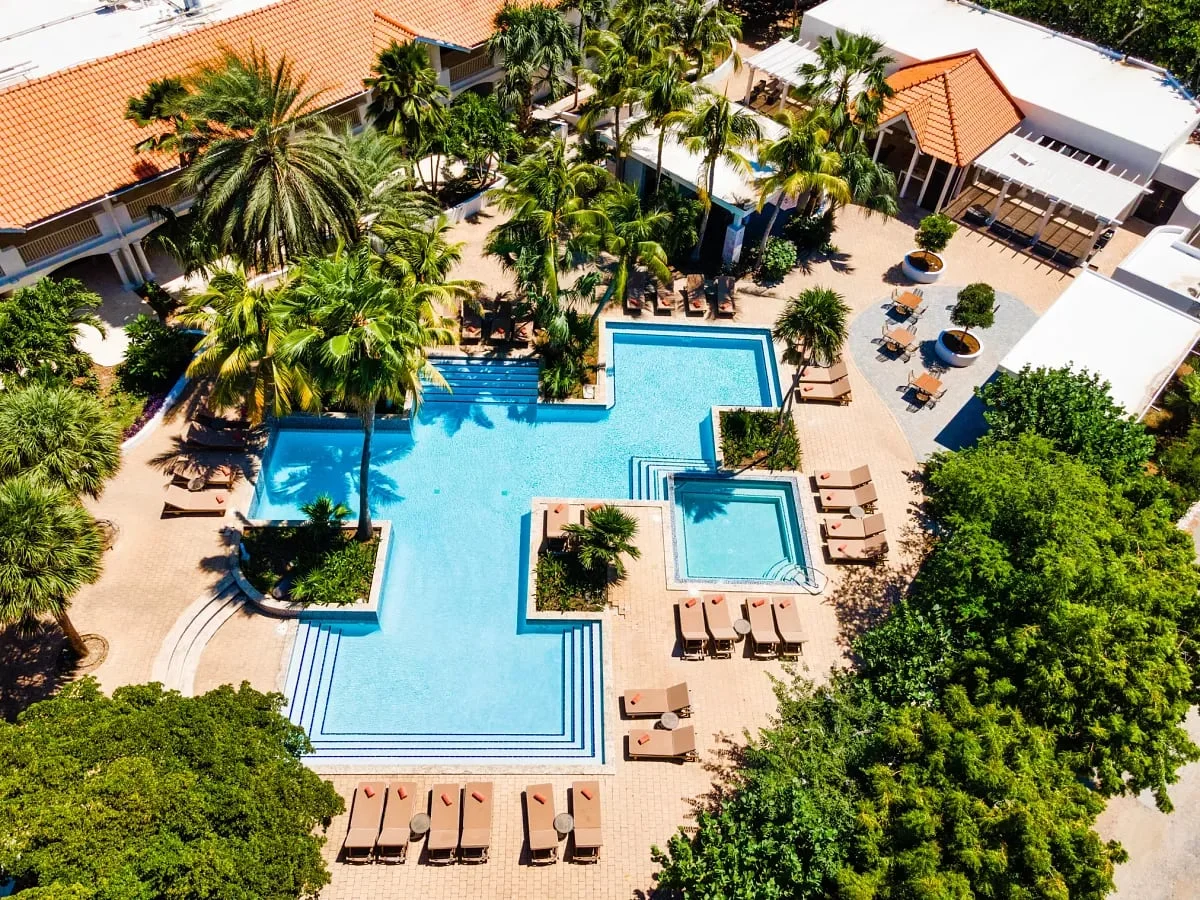
Zoetry Curaçao Resort & Spa - All Inclusive
When you book Zoetry Curaçao Resort & Spa - All Inclusive in Willemstad, Curacao, through our Hyatt Privé partnership, your stay includes daily full breakfast for up to two guests, a property credit and a welcome amenity. You also receive a priority room upgrade, early check-in and late check-out when available. No premium credit card or membership needed: request a quote and our advisor books it at the same rate as booking direct.
Exclusive Booking Perks
These perks are included with your stay at the same rate as booking direct with the hotel.
- Welcome amenity provided to guests upon arrival.
- Daily complimentary full breakfast at a hotel restaurant for up to two guests.
- Property credit (value varies by property).
- Priority for room upgrade (response within 24 hours of booking, subject to forecasted occupancy).
- Early check-in/late check-out/connecting rooms (response within 24 hours of request, subject to forecasted occupancy).
Location
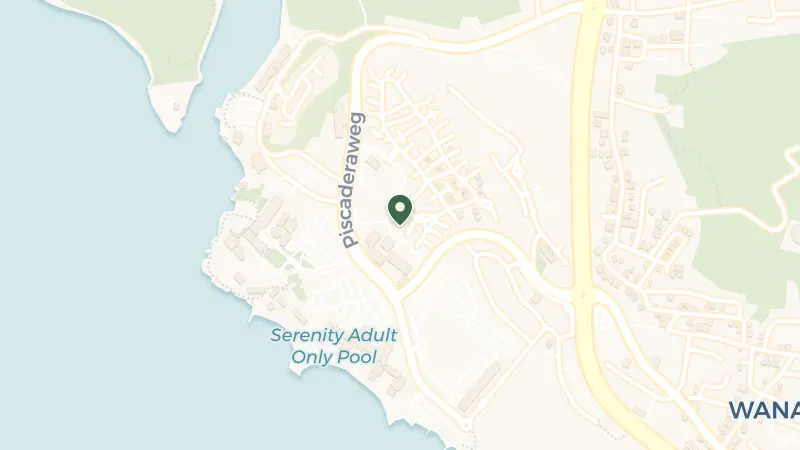
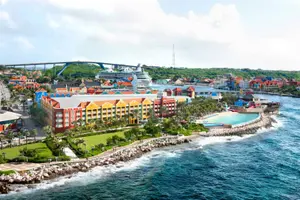
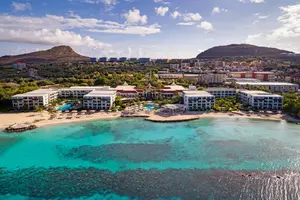
The Zoetry brand translates "the art of life" into properties where wellness-focused luxury meets genuine regional character. On Curaçao, this philosophy finds expression in a corner of the island where the volcanic coastline softens into protected coves and the Caribbean unfurls in shades of turquoise that justify every postcard cliché. The property sits in Willemstad's quieter eastern reaches, near Parasasa and Wanapa, where residential streets give way to sand beaches and the occasional fishing boat rounds the point toward calmer water.
Seven kilometres west, the UNESCO-protected Historic Area of Willemstad reveals the improbable collision of Dutch colonial architecture and Caribbean light. Pastel-painted merchant houses line the harbour in shades of coral, mustard, and mint, their gabled facades a visual echo of Amsterdam transplanted to the tropics in 1634. The town grew around this natural harbour as a trading settlement, and the centuries left layers: Sephardic synagogues with sand floors, the floating Queen Emma Bridge swinging open for cargo ships, narrow streets where Papiamento blends Dutch, Portuguese, and West African cadences into something entirely local.
Hato International Airport sits eight kilometres from the property, close enough that arrivals rarely require extended transfers. The island's scale, just sixty kilometres tip to tip, makes exploration straightforward without feeling cramped.
The immediate coastline offers a progression of beaches within short walking distance. The sand beach formerly known as Sonesta Beach lies just four hundred metres from the property, while Pirate Bay Beach sits at the same remove in the opposite direction. Blue Bay Beach, two and a half kilometres south, draws snorkelers to its reef-protected shallows. Divers find wrecks and drop-offs within easy reach: the Superior Producer sits less than three kilometres offshore, an intact freighter now colonized by sponges and sergeant majors, while Snake Bay's coral gardens lie just under four kilometres away. The Curaçao Golf and Squash Club, five kilometres north, offers eighteen holes carved from the island's arid interior.
Willemstad's UNESCO district, a short drive west, warrants half a day at minimum. Start with the Craft Market near the Ronde Markt for hand-carved wooden bowls and locally woven baskets, then walk the Punda waterfront where keshi yená (stuffed cheese, a Curaçaoan staple) appears on nearly every menu. The floating market along the Waaigat inlet brings Venezuelan fishermen each morning with catches sold directly from their boats. Book a table at one of the harbour-view restaurants for grilled mahi-mahi with funchi, the cornmeal side that accompanies most local fish preparations.
February and March deliver the driest months, when rainfall rarely interrupts and the trade winds keep temperatures hovering near twenty-seven degrees. The sun feels direct but not punishing, and the streets of Willemstad empty during the midday heat before refilling as shadows lengthen across the harbour.
Summer stretches from May through August, warmer by a degree or two, the air thickening slightly as humidity climbs. The island's arid character, more Sonoran than tropical, means even wetter months feel manageable. September begins the rainier season, though showers tend toward brief afternoon downpours rather than days of grey skies.
October and November see the heaviest precipitation, when storms roll through quickly and the countryside briefly greens. December transitions back toward drier conditions, and by year's end the island has returned to its characteristic scrub-dotted aridity, the cactus forests of Christoffel standing stark against blue skies.
Frequently Asked Questions

Quotes are personally reviewed by Natasha Hardy, founder of The Uncommon Traveller
5.0 rating · 8 Google reviewsThere is no fee or markup. The hotel pays our commission.
Request a Quote