Rosewood London
When you book Rosewood London in England through our Virtuoso partnership, your stay includes daily full breakfast for up to two guests and a $100 USD food and beverage credit. You also receive a room upgrade, early check-in and late check-out when available. No premium credit card or membership needed: request a quote and our advisor books it at the same rate as booking direct.
Exclusive Booking Perks
These perks are included with your stay at the same rate as booking direct with the hotel.
- Upgrade on arrival, subject to availability
- Daily Full breakfast for up to two guests per bedroom, served in the Holborn Dining Room
- $100 USD equivalent Food & Beverage credit to be utilized during stay (not combinable, not valid on room rate, no cash value if not redeemed in full)
- Bookings in our Signature Suites and Houses will receive complimentary roundtrip private airport transfers, and an enhanced bespoke in-room amenity
- Early Check-In / Late Check-Out, subject to availability
Guest feedback
9.2/10 from 2,331 guest reviews
Read what guests commentedBy category
Guests liked
- Location
- Service
- Room Quality
Points to consider
- Value for Money
- Cleanliness
Location
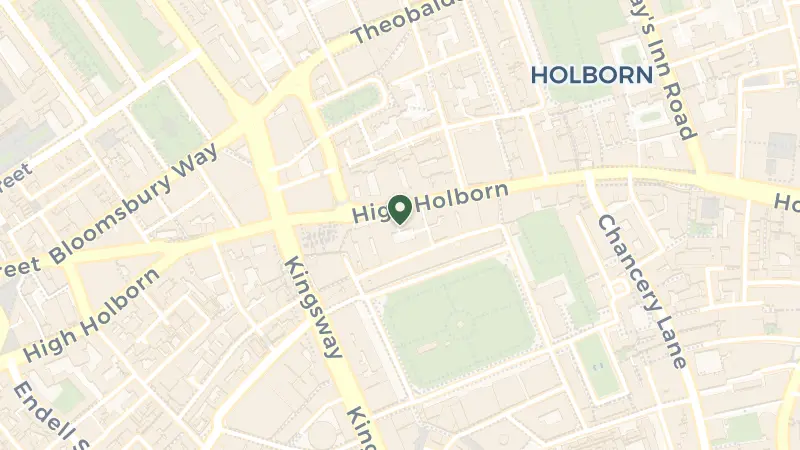
Rosewood Hotels approaches luxury through a philosophy of "A Sense of Place," drawing on local heritage for architecture, art programmes, and culinary direction across properties that function as cultural landmarks within their cities. This residential-style approach, characterized by Asaya wellness programmes and restrained refinement, finds expression in Holborn, a district straddling the ancient boundary between the City of London and Westminster. The neighbourhood takes its name from the now-buried River Fleet, once called the Holbourne, which carved this valley through the medieval city.
Walk west from the hotel and you trace the old coaching route toward Westminster, passing through streets that have linked commerce and governance for centuries. To the east, the original City walls stood where Holborn Viaduct now spans the Fleet's ghostly course. Seven Dials Market sits seven hundred metres northwest, Apple Market the same distance southwest near Covent Garden's arcaded piazzas.
The Theatre District pulses with matinee crowds by afternoon, chambers and solicitors' offices occupy Georgian terraces along the southern fringe. Proximity to three airports makes arrival straightforward: London City lies twelve kilometres east, Heathrow twenty-four west, Gatwick forty-one south.
Holborn Dining Room serves breakfast on the property, grounding the day in neighbourhood context before venturing further. London's Michelin constellation rewards exploration: within three kilometres, three restaurants hold three stars each. Pierre Gagnaire's signature multi-dish approach unfolds at Sketch, The Lecture Room and Library, housed in an eighteenth-century townhouse 1.7 kilometres north where every course arrives with theatrical flourish. Hélène Darroze at The Connaught, 2.3 kilometres west, wraps wood-panelled formality in pastel softness and deeply personalized service. Alain Ducasse at The Dorchester, 2.7 kilometres west, delivers French haute cuisine through a service team whose warmth and precision elevate the technical mastery on the plate. Book any of these weeks ahead.
The Palace of Westminster and Westminster Abbey, two kilometres south, anchor a UNESCO inscription recognizing neo-Gothic grandeur built atop medieval foundations. The Tower of London, three kilometres east, preserves Norman military architecture from William the Conqueror's era. Seven Dials Market, walkable in ten minutes, gathers independent food vendors under one roof for casual grazing between cultural appointments.
Winter arrives cold and grey, temperatures hovering between two and seven degrees from December through February, the city wrapped in short afternoons and wet streets reflecting Georgian streetlamps. Spring pushes temperatures into double digits by April, plane trees leafing out across parks and squares as the light stretches toward evening. May and June bring the year's mildest conditions, highs climbing toward twenty degrees, though June sees the most rainfall. Summer peaks in July and August, temperatures reaching the low twenties, pavement cafés filling during extended daylight hours.
September retains summer's warmth without the crowds, parks still green, theatre season returning. October cools quickly, autumn colour brief but vivid in the royal parks. November turns damp and dark, temperatures dropping toward five degrees, the Christmas season offering compensatory theatre and market brightness.
Visit in late spring or early autumn for temperate days and cultural calendar intensity without peak summer density.
Frequently Asked Questions

Quotes are personally reviewed by Natasha Hardy, founder of The Uncommon Traveller
5.0 rating · 8 Google reviewsThere is no fee or markup. The hotel pays our commission.
Request a Quote 54 Bib Gourmand