Sofitel Bangkok Sukhumvit
When you book Sofitel Bangkok Sukhumvit in Thailand through our Accor Hera partnership, your stay includes daily breakfast for two and a $100 USD hotel credit. You also receive a room upgrade, early check-in and late check-out when available. You continue earning ALL Accor points and elite night credits. No premium credit card or membership needed: request a quote and our advisor books it at the same rate as booking direct.
Exclusive Booking Perks
These perks are included with your stay at the same rate as booking direct with the hotel.
- Daily complimentary breakfast for 2, per room
- VIP Welcome
- $100 USD credit to be spent on property (conditions defined at check-in)
- Early check-in & late check-out (upon availability)
- Upgrade at time of check-in (upon availability)
Guest feedback
9.2/10 from 1,183 guest reviews
Read what guests commentedBy category
Guests liked
- Excellent service
- Great location
Points to consider
- High prices
- Inconsistent food quality
Location
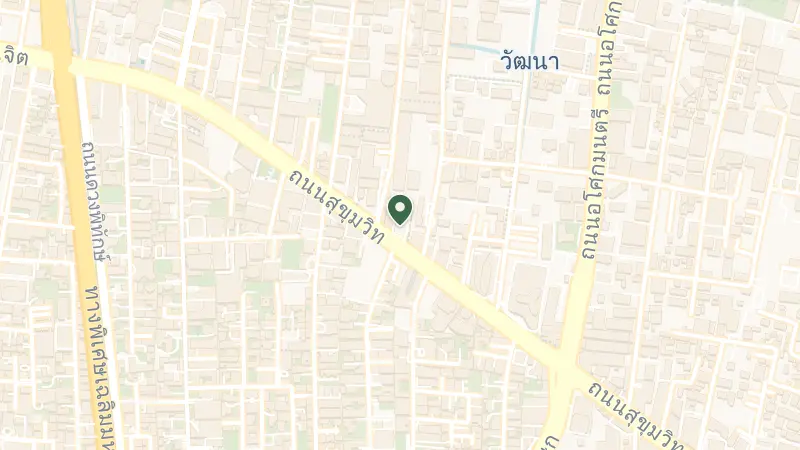
Sofitel brings French refinement to each of its 120 properties worldwide, pairing Parisian elegance with the craft and cultural rhythm of its location. In Bangkok, that means polished service with a distinctly Thai sensibility, where the brand's art de vivre meets the energy of a capital that has reinvented itself repeatedly since its founding as Rattanakosin in 1782. The hotel sits in Khlong Toei, a district that stretches from the Chao Phraya River inland, where the hum of port cranes mixes with the clatter of one of the city's largest fresh markets and the smooth efficiency of the Sukhumvit corridor.
Step outside and you're in a Bangkok defined by contrasts: the sleek BTS Skytrain gliding overhead, street vendors grilling satay at dusk, the sharp smell of tamarind and chilli from pushcarts mingling with diesel and jasmine garlands. Sukhumvit Road pulses day and night, a thoroughfare lined with everything from silk tailors to rooftop bars, while quieter sois branch off into residential lanes where spirit houses mark every threshold. This is the city's modern commercial heart, rebuilt in the post-war decades as Bangkok grew into a megacity that now holds a quarter of Thailand's population.
Both Suvarnabhumi and Don Mueang airports lie roughly 20 kilometres from the property, each reachable by expressway or the Airport Rail Link. Taxis navigate the distance in 30 to 45 minutes depending on traffic, which thickens considerably during rush hours but rarely stalls the relentless forward motion of the capital.
Within a two-kilometre radius, the dining landscape tilts toward the exceptional. Sorn, holding three Michelin stars, offers a deeply researched exploration of Southern Thai cuisine under Chef SupakSorn Jongsiri, who balances ancestral technique with precise modern execution. The seasonal menu unfolds in courses that bring the Gulf of Thailand and the rubber plantations of the south into sharp focus. A short drive away, INDDEE interprets regional Indian cooking with a narrative structure, each of its ten courses carrying the culinary logic of a different state. Book a table at Sühring, where German twin chefs Mathias and Thomas translate Schwarzwald traditions and family recipes into a contemporary tasting menu that leans on fermentation and house-made charcuterie, all served in a restored villa surrounded by gardens.
Beyond the table, the neighbourhood offers the sensory overload of Khlong Toei Market, where stallholders stack galangal, holy basil, and fresh catfish before dawn, and the quieter appeal of West One, a curated market two kilometres away. Flow House Bangkok delivers year-round surf on a standing wave, while Yunomori recreates a Japanese onsen experience with rotemburo baths and traditional bathing rituals. For a daytrip, the ruins of Ayutthaya lie 68 kilometres north, the brick prang and headless Buddhas of the former Siamese capital still radiating the grandeur of a kingdom destroyed by Burmese forces in 1767.
Bangkok's heat is a constant, but the character of that heat shifts with the calendar. November through February brings the cool season, a term that translates to mornings around 21°C and afternoons near 30°C, with dry skies and a crispness that makes rooftop dining and temple visits genuinely pleasant. The city exhales during these months, and this is when to come.
March and April turn oppressive, with temperatures climbing past 34°C and humidity thickening the air until the first monsoon rains arrive in May. The wet season runs through October, though "wet" means brief afternoon downpours rather than all-day gloom. Streets flood and drain quickly, and the rain cools things just enough to make evenings bearable.
September sees the heaviest rainfall, over 250 millimetres on average, but the city's rhythm never truly slows. If you can tolerate the storms, you'll find fewer crowds at the Grand Palace and lower rates across the board.
Frequently Asked Questions

Quotes are personally reviewed by Natasha Hardy, founder of The Uncommon Traveller
5.0 rating · 8 Google reviewsThere is no fee or markup. The hotel pays our commission.
Request a Quote 44 Bib Gourmand